
Kirsty Littlefair
Google review★★★★★
We recently had Matt from Attention to Detail complete work on our hallway and staircase, and we honestly couldn’t be happier with the results.…Read reviews on Google ↗
MATTHEW ROBINSON PAINTING & DECORATING
Painting and decorating enquiries in Yarm. Considered interiors, character details and carefully planned finishes. Call Matthew Robinson on 07763 095929 for a free quotation.
Tell Matthew your postcode and project details so coverage, suitability and availability can be confirmed.

A successful decorating project in Yarm does not need to make every house look new. It can restore definition to existing details, bring balance to a colour scheme or make a practical room more pleasant to use. Matthew Robinson Painting & Decorating welcomes enquiries for interior and exterior work, wallpaper and suitable spray finishes. Your property’s condition and your own preferences determine the proposed approach. The aim is to understand what you want to retain as carefully as what you want to change.
Yarm is among the borough’s recognised towns and has a designated conservation area. That does not mean every Yarm address has the same restrictions or historic fabric. It does mean that owners of older or protected buildings should check the position for their own property before altering significant external finishes or details. Decorative work should fit around any advice or consent that applies. Tell Matthew if the building is listed, within a conservation area or has unusual traditional materials, and provide any relevant specification already agreed with the appropriate adviser.
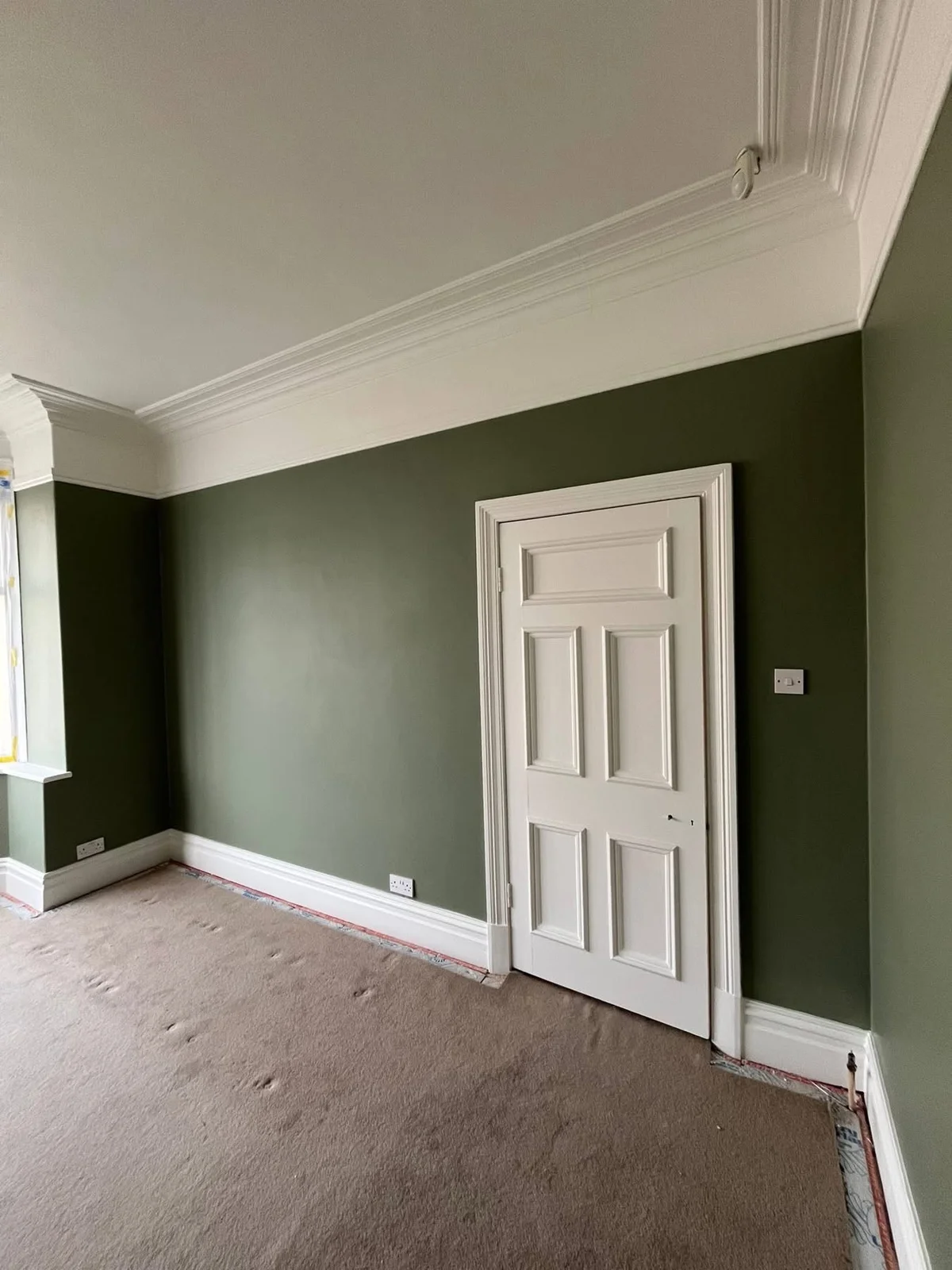
Begin by looking at the elements that make the room feel distinctive. These could include a fireplace, ceiling line, deep skirting, timber doors or an unusually shaped window reveal. Decide whether those features should stand out or sit quietly within the overall scheme. A different trim colour can change their visual weight, while repeated coats applied without careful preparation can blur fine edges. Describe the effect you want rather than assuming that repainting all surfaces in bright white is the only way to refresh them.
Photographs help explain those details, especially if you include both close views and the wider room. Identify any parts that should remain untouched and any new fittings that will be introduced. If a feature is damaged or unstable, repair suitability needs considering separately from its decorative appearance. Some joinery or plaster details need specialist attention. Matthew can discuss the decorative scope with those limitations in mind. The quotation should be based on the actual surfaces and agreed result, avoiding a broad description that leaves important architectural features to be interpreted once work is underway.
Cracks, stains and uneven areas are not all equivalent. A small knock in sound plaster may be suitable for normal filling and smoothing, while recurring movement or moisture needs more investigation. If a wall has been repaired several times, explain the history rather than asking for another coat to conceal it. A decorative finish is the last visible layer of a system; it cannot correct a defect that remains active underneath. This distinction is especially important when maintaining a room you want to preserve over time.
The surface preparation and correction service can be considered for appropriate wall work before painting or papering. Assessment may identify loose coatings, old adhesive, irregular repairs or changes in absorbency. The preparation should match the substrate and chosen finish. Avoid aggressive stripping or sanding of unknown historic coatings without suitable assessment. Where traditional materials are involved, a compatible approach may require specialist advice rather than a standard modern specification. Share any existing professional guidance so that the decorating plan works within it instead of replacing it with assumptions about what an older building should receive.
Browse the full project gallery for more preparation and finished-work photographs.
Yarm homes can present very different room layouts, and the colour choice should respond to the individual space. A deep window reveal, a low ceiling or a narrow room can change the balance of light and shade. View sample colours on the relevant walls and alongside permanent finishes. A shade that looks restrained on a small card may become much stronger across a large wall. Consider the ceiling and woodwork at the same time, because their contrast influences how the wall colour is perceived.
Do not rely entirely on photographs of another interior. Screen settings, camera adjustments and the other room’s lighting can shift the apparent colour. Use photographs to explain a mood, then confirm a real product reference and finish for your own room. Interior painting can include suitable walls, ceilings and woodwork within an agreed scope. Ask when the final selection needs to be made and whether a substantial colour change affects the proposed application stages. Settling those details before preparation begins is easier than changing the specification after materials have already been purchased.
Where a room contains mouldings, panels or substantial trim, the preparation and finish should preserve their intended definition. Built-up coatings, chipped edges and poorly filled joins can make even an attractive colour look untidy. Tell Matthew which details matter most to you and show areas where earlier work has softened a profile. Decoration can improve presentation, but damaged construction or missing sections may need a different trade before the final coats are considered.
The scope should identify doors, frames, skirting, coving and other details individually where relevant. Clarify both sides of doors and any edges that are intended to be finished. If handles or hinges are changing, schedule those adjustments before the final decorative stage where practical. A contrasting colour on woodwork may need careful planning at junctions with walls or adjoining rooms. The result depends on the condition and stability of each surface, not only on a straight line between two colours. A written description helps keep the proposed work aligned with the specific character details you want to retain.
A wallpaper design can emphasise a feature, give a room depth or bring a restrained texture to otherwise simple walls. The arrangement should be planned around the room rather than selected only from a roll sample. Think about where the pattern will be seen from the doorway and how it relates to fireplaces, alcoves or large furniture. Pattern repeats and the chosen starting position affect quantities, so seek advice before buying enough rolls for the calculated wall area alone.
For wallpapering in a Yarm property, share the product instructions and measurements as part of the enquiry. Specialist wallcoverings may need particular preparation and handling. Existing paper removal can reveal a different substrate condition from the one expected, so allow for assessment before assuming the installation is a straightforward replacement. Decide whether the surrounding ceiling and trim are also being refreshed, and agree the sequence. A considered papering plan includes the base, the design layout, the adjacent finishes and the time needed for each relevant stage, not simply the day the new material goes onto the wall.
Kitchen doors sit beside worktops, tiles, flooring and appliances that may remain unchanged. Compare potential cabinet colours with all those elements before making a final decision. A dramatic sample may be attractive in isolation yet uncomfortable beside an existing warm worktop or cool floor. Also consider the light at different times of day and the effect of artificial lighting. Choosing a coherent scheme does not require replacing everything; it requires knowing what will stay and which decorative changes are technically suitable.
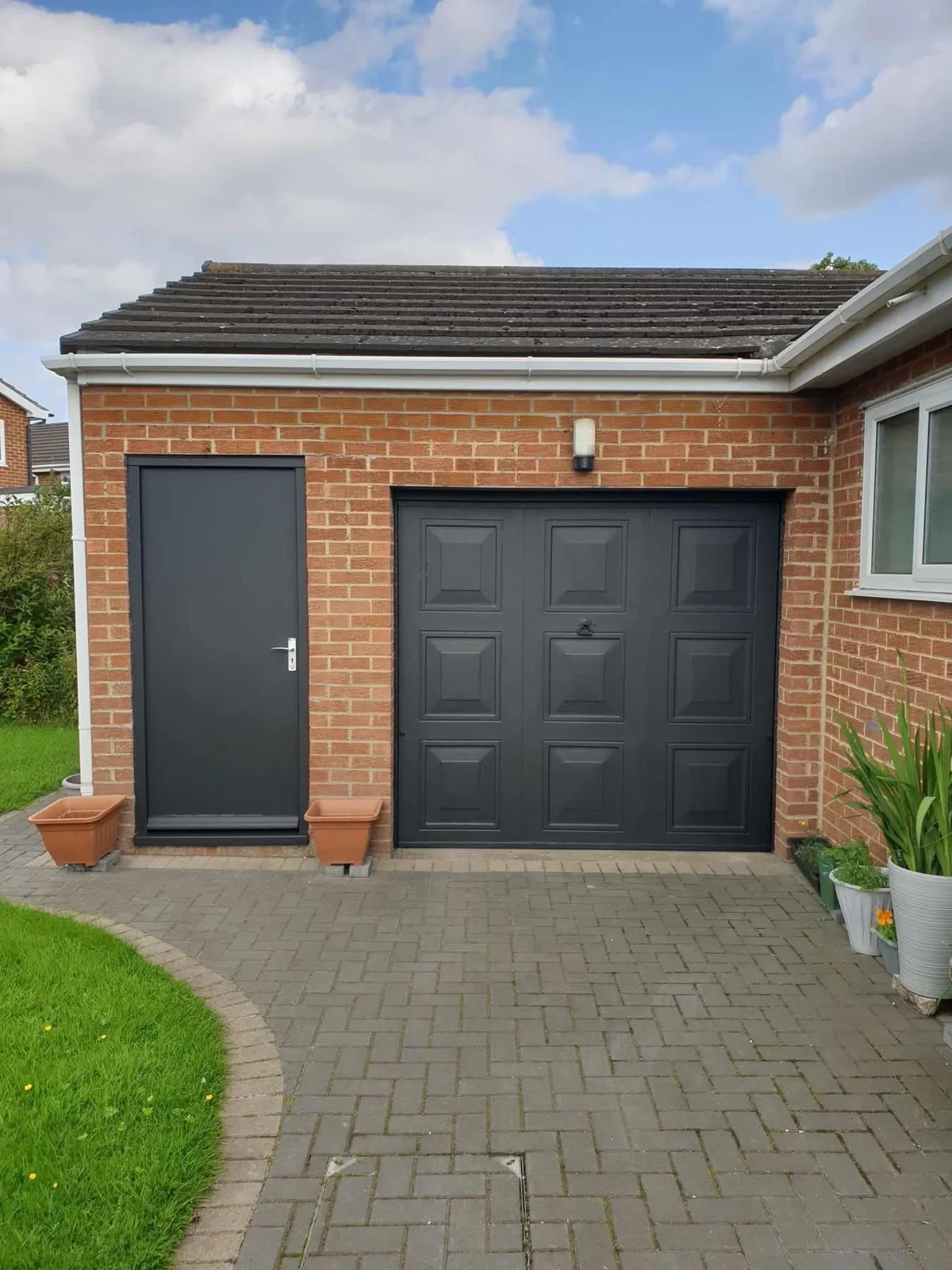
Cabinet respraying depends on material and condition. Lifting coverings, damaged edges, swelling and loose construction should be disclosed. A coating cannot make a failing door sound. For suitable components, identify the fronts, end panels, frames and other exposed parts included in the scope. Explain any new hardware or building work and agree how kitchen use will be managed during preparation and application. After the finish is applied, follow the relevant curing and care guidance. A visually complete kitchen can still need gentle handling before the coating reaches its intended service performance.

Browse the full project gallery for more preparation and finished-work photographs.
Built-in shelving, cupboards and decorative panelling can be a strong part of a room’s design, but they may include different materials and earlier finishes. A single unit could combine timber, manufactured board, filled joints and metal fittings. Describe what you know about its construction and photograph damaged or worn sections. The appropriate preparation and coating should be chosen for those materials rather than copied directly from the adjoining plaster wall.
For selected pieces, spray application can be discussed, subject to assessment and the surrounding working environment. Masking, access and protection influence feasibility as much as the appearance you want. Spraying does not remove the need for cleaning, abrasion or suitable priming where required. Agree whether shelves need clearing completely and when books, ornaments or equipment can return. Heavy or tightly packed contents placed too soon can mark a developing finish. The practical plan should account for how the unit will be used after completion, not only how it looks while it is empty.
External decoration can be more sensitive than an internal room refresh, especially where heritage designation or traditional materials are involved. Check what applies to your Yarm property before confirming a major colour or finish change. If a conservation officer, surveyor or other adviser has provided guidance, share it. The decorator’s quotation should reflect the agreed specification rather than become a substitute for permissions or specialist diagnosis. Not every exterior surface is suitable for a standard masonry or wood coating.
For exterior painting, identify existing finishes, signs of dampness, peeling areas and damaged joinery. Explain access restrictions, shared entrances or limited space around the building. Weather, surface moisture and coating instructions influence the programme, and conditions during drying matter as well as at application. Where other maintenance is needed, organise its sequence before the final decorative coats. A repaired gutter or window defect should not be left until after the finish it could damage. Clear boundaries between repair, preparation and decoration make the project easier to specify and assess.
A carefully planned finish still needs a workable house around it. If your Yarm property is occupied, explain which rooms, routes and facilities must remain available. Discuss furniture movement, parking, delivery arrangements and the safe storage of cleared possessions. An awkward entrance or limited space does not automatically prevent work, but it should be included in the plan. Avoid leaving the access discussion until a start date has already been built around a different assumption.
If you are away during the work, identify who will provide access and approve unexpected decisions. A written colour and surface schedule becomes particularly useful when you cannot answer questions immediately. Explain whether another trade is attending and who coordinates the sequence. Changes discovered during preparation should be discussed rather than absorbed silently into a vague room description. Matthew can confirm the proposed arrangements for the actual job. The aim is clear communication about access and scope, with the people responsible for decisions identified before practical questions become urgent on site.
The period after decoration is part of the project’s success. Return furniture carefully, avoiding pressure against newly painted walls and trim. Follow the product guidance about cleaning and handling while coatings cure. Do not attach adhesive hooks or apply strong cleaners merely because the surface appears dry. If a spill or mark occurs early, ask about a suitable response. Trying to remove it aggressively can damage a finish that would otherwise have developed its intended resistance with time.
Keep a record of colour references, product names and any relevant instructions. If you retain leftover material, label it clearly and store it as directed. Later repairs can be influenced by ageing, light and surface texture, so a small touch-up is not always invisible. The appropriate remedy may be a complete wall or panel rather than repeated patching. When asking about future maintenance, explain when the work was completed and how the surface is used. Good information helps a decorator suggest a proportionate approach instead of guessing what coating is already present.
A useful first message states the postcode, rooms and surfaces involved, the existing condition and your preferred period. Include photographs of any unusual details, defects or restricted access. Explain what is staying, what is being replaced and whether the building has a designation or specification that affects the work. If you have a deadline, mention it before arranging a quotation rather than assuming it can be accommodated. Suitability and current availability are confirmed directly.
Call 07763 095929 or use the enquiry form to speak to Matthew Robinson Painting & Decorating about a free, no-obligation quotation. The gallery offers real examples to help communicate your preferences, but your own property remains the basis for the specification. Read the proposed scope and ask about anything uncertain, from excluded trim to materials or working sequence. A well-defined project is easier to carry through without replacing the character you value or promising results that the existing surfaces cannot support.
YOUR YARM PROJECT
Project-specific advice starts with the actual surfaces, access and finish you have in mind.
No single answer covers every address. A listed building, conservation designation, planning condition or particular material may affect what is appropriate. Check the position for your own property with the relevant authority or adviser before a significant external change. Share any resulting requirements with Matthew so the quotation reflects them.
Possibly, if the material is sound and the proposed work is suitable. Decoration can refresh presentation, but damaged or missing details may need a joiner or other specialist first. Show the features you want retained and identify earlier repairs. Agree preparation carefully instead of assuming every worn detail should be stripped or covered heavily.
Assess samples in the actual room against the fireplace, floor and furniture you are keeping. View them at different times and under evening lighting. Consider the ceiling and woodwork too. A photograph of another room can suggest a direction, but a real sample and an agreed product reference provide a more reliable decision.
The layout can be discussed before installation, subject to the room, design and material allowance. Share the product details and explain which feature matters most. Centring one element can affect joins or the pattern elsewhere, so the whole wall needs considering. Quantities should allow for the agreed matching and trimming requirements.
The condition, thickness and suitability of the existing coating determine the approach. Complete removal is not always necessary, while unstable or excessive layers may need more attention. Unknown historic coatings should be assessed before aggressive disturbance. Discuss the desired definition and relevant limitations rather than assuming a single stripping method fits every detail.
Not automatically. Traditional substrates and existing finishes can need compatible systems and, in some cases, specialist advice. Provide any information about the construction or previous treatments. The appropriate specification follows assessment of the surface and building condition. A decorative colour preference should not override a material requirement that protects the underlying fabric.
You can discuss access arrangements and the person authorised to make decisions. Finalise colours, surfaces and relevant instructions in writing beforehand. Unexpected defects may still require a conversation, so provide a reliable contact. Availability and practical arrangements are confirmed directly; being absent does not remove the need for clear scope and access planning.
Discuss their size and position before the finishing sequence is agreed. New handles can expose old holes or marks, and drilling after decoration can damage the coating. Trial fitting or joinery adjustments may be sensible earlier. The appropriate order depends on the particular unit and hardware, so coordinate rather than assume.
Follow the specified coating’s curing and handling guidance. A surface can be touch-dry before it is ready for heavy objects or prolonged pressure. Ask about the particular finish and return items carefully. Avoid packing shelves tightly or placing abrasive objects onto a developing coating simply because the application stage has ended.
Include photographs of the room, significant details, defects and existing finishes, alongside the postcode and intended scope. Mention relevant designations, previous specialist advice and access restrictions. Explain which features must remain unchanged. This gives Matthew a starting point for discussing decorative suitability without making unsupported assumptions about the age or construction of the property.
EXPLORE NEARBY
Compare decorating services, read customer feedback, or view Matthew’s project gallery.
FIND YOUR AREA
Explore town, village and neighbourhood guides. Confirm your postcode and the work required when asking about a visit.
LET’S PLAN YOUR PROJECT
Send the rooms or surfaces involved, your postcode and preferred timing. Matthew can then discuss the next step towards a free, no-obligation quotation.
Request your free quoteKIND WORDS. BEAUTIFUL HOMES.
★★★★★ 5.0 on Google · 19 reviews
We recently had Matt from Attention to Detail complete work on our hallway and staircase, and we honestly couldn’t be happier with the results.…Read reviews on Google ↗
Attention to Detail is certainly Matt. He has decorated my hall/stairs, lounge and kitchen. I could not fault his work and professionalism.Read reviews on Google ↗
Matt recently decorated our new interior doors, architraves and door frames, and the standard of his work was outstanding.Read reviews on Google ↗
Matt goes above and beyond and his attention to detail literally is perfection!Read reviews on Google ↗
We had Mathew of ATD (Attention to Detail decorating) to prepare and decorate our hall, stairs, and landing, as well as our large front…Read reviews on Google ↗
Matt I cannot recommend enough the name says it all, attention to detail to a fine T!Read reviews on Google ↗
Matthew has done 5 rooms in total for me, he worked above and beyond to perfection. He is very professional.Read reviews on Google ↗
We have used Matthew a few times for different rooms and houses.Read reviews on Google ↗
Matt totally transformed my living room after I had a media wall built.Read reviews on Google ↗
Amazing and Professional from start to finish!Read reviews on Google ↗
Have had Matthew from Attention to Detail in to paint our bathroom and he did an amazing job.Read reviews on Google ↗
I’ve used Matt a couple of times for work in my house, and not once did he let me down even at short notice.…Read reviews on Google ↗
I have used Attention to detail a number of times and Matty has almost decorated my whole house plus frenchic’d some furniture for me.…Read reviews on Google ↗
Excellent service and excellent job completed. Matt certainly lives up to his company name with attention to detail and a high standard of work.Read reviews on Google ↗
This is the second time I have used ATD, and for an even bigger job.Read reviews on Google ↗
Matt decorated all of my bungalow, excellent work very professional would highly recommend himRead reviews on Google ↗
Used ATD recently to redecorate my hall,stairs, and landing, I would recommend this lad anytime he's very thorough clean and tidy worker above all…Read reviews on Google ↗
Excellent service, very professional, went the extra mile. Lovely guy 👍Read reviews on Google ↗
Matt has just painted our media wall for us and did a fantastic job.Read reviews on Google ↗