
Kirsty Littlefair
Google review★★★★★
We recently had Matt from Attention to Detail complete work on our hallway and staircase, and we honestly couldn’t be happier with the results.…Read reviews on Google ↗
MATTHEW ROBINSON PAINTING & DECORATING
Painting and decorating enquiries in Middleton St George. Discuss preparation, interior finishes, wallpaper and your project with Matthew Robinson.
Tell Matthew your postcode and project details so coverage, suitability and availability can be confirmed.
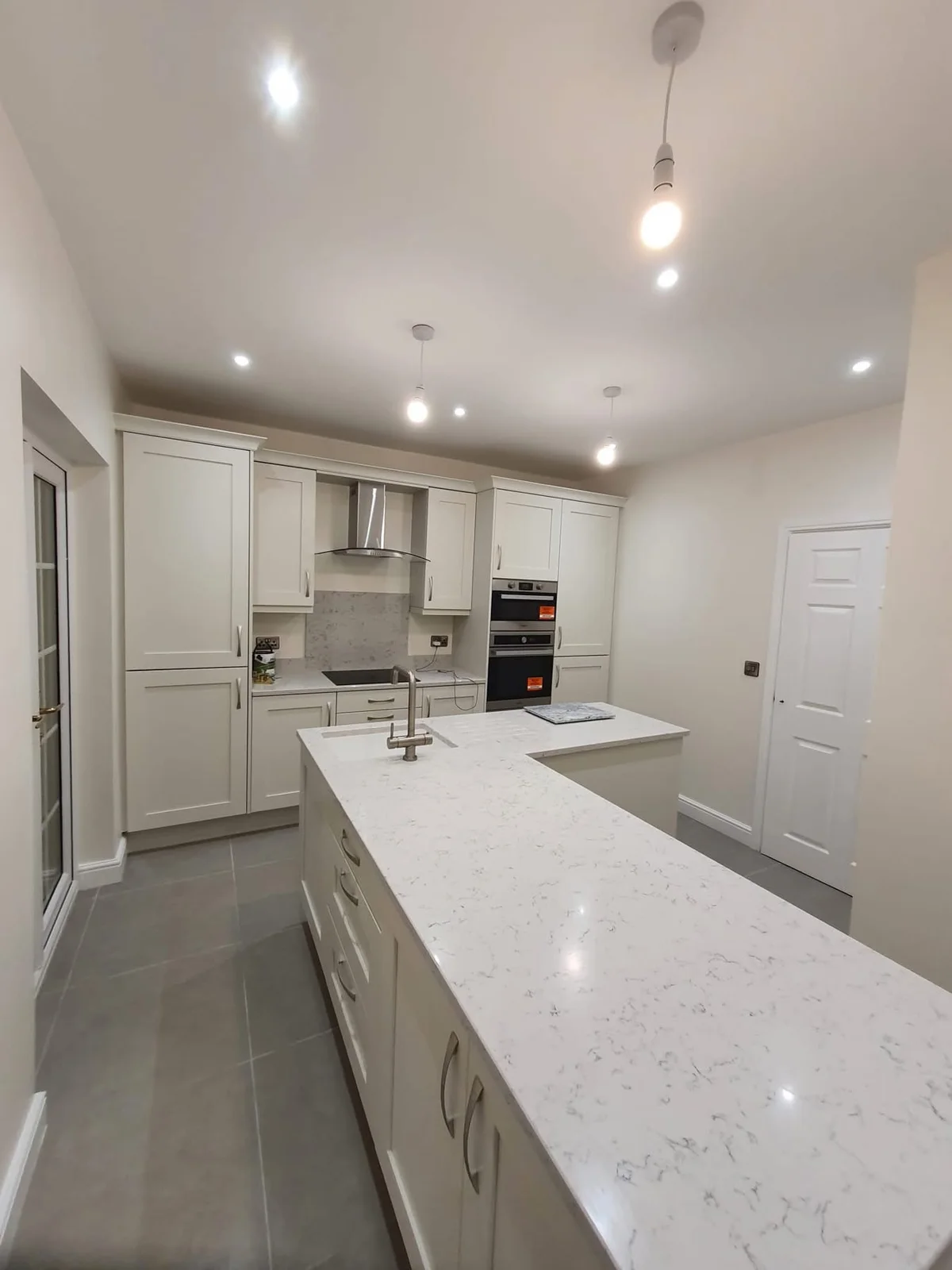
Sometimes the most useful decorating plan begins with one question: which change would make everyday life easier first? A kitchen that feels worn, a bedroom waiting for a calmer scheme and a hallway marked by years of traffic may all need attention, but they do not necessarily need to happen together. Matthew Robinson Painting & Decorating welcomes Middleton St George enquiries where the work needs to be assessed and prioritised around the household rather than treated as an all-or-nothing refurbishment.
Send the postcode, photographs and an outline of the rooms or surfaces involved. Coverage and arrangements for this wider service-area enquiry are confirmed individually. The village name does not establish the type of property or the condition of its finishes. A newer house may need careful attention to damaged trim, while a changed or extended home may contain several different backgrounds on the same wall. Those specifics should lead the proposed work.
The following guidance focuses on staging a project sensibly, from an initial room refresh to suitable cabinets or exterior details. It explains what information helps a quotation and how to distinguish appearance from repair. Call 07763 095929 or use the contact page to discuss your priorities with Matthew. No price or start date should be assumed until the scope, surfaces and practical requirements have been considered.
A priority list works best when it reflects more than the room you like least. Consider where a deteriorating coating needs attention, where the household spends most time and which space can be temporarily cleared. The room with the most visible marks may be easy to refresh later, while a less obvious preparation problem could affect the order. Photographs and a room schedule help turn those competing needs into a clearer discussion.
You can distinguish essential work from optional changes without losing the overall scheme. For example, restoring a sound decorative base in a heavily used room might take precedence over adding a patterned wall elsewhere. A kitchen colour change could be a separate phase once alterations or repairs are complete. Ask for stages to be defined by complete, sensible scopes rather than by an arbitrary number of days with unspecified surfaces left over.
Repeated visits can involve repeated setup, protection and clearance, so staged work is not automatically the same cost as one continuous project divided into instalments. Explain your budget priorities and practical constraints openly. Matthew can discuss which work is suitable and how a quotation might reflect the chosen scope. The aim is to make each phase understandable and useful, not to promise a whole-home result from a brief that covers only selected walls.
Existing finishes deserve attention before colour selection. Note loose paint, paper that has lifted, marks that return and repairs with a different texture. These details help explain the condition, but photographs may not reveal every issue. For surface preparation and wall correction, a suitable assessment should distinguish a straightforward refresh of sound material from work that needs more correction before a finish can be applied.
A recurring stain or damp patch needs its cause addressed. Painting over it may change its appearance briefly without resolving the problem. Tell Matthew what has been investigated and whether repairs have been completed. Significant plaster damage, continuing movement or unsuitable backgrounds may require another specialist before decorating. The quotation should clarify that boundary so that a decorative finish is not expected to solve an unresolved building defect.
If old wallpaper will be removed, discuss the uncertainty of the underlying wall. Stripping can reveal earlier patching or unstable coatings, and that may change the preparation needed. Agree how discoveries will be communicated and assessed before additional work proceeds. A clear process for those decisions is preferable to assuming either that every papered wall is perfect underneath or that every exposed defect automatically requires the most extensive repair.

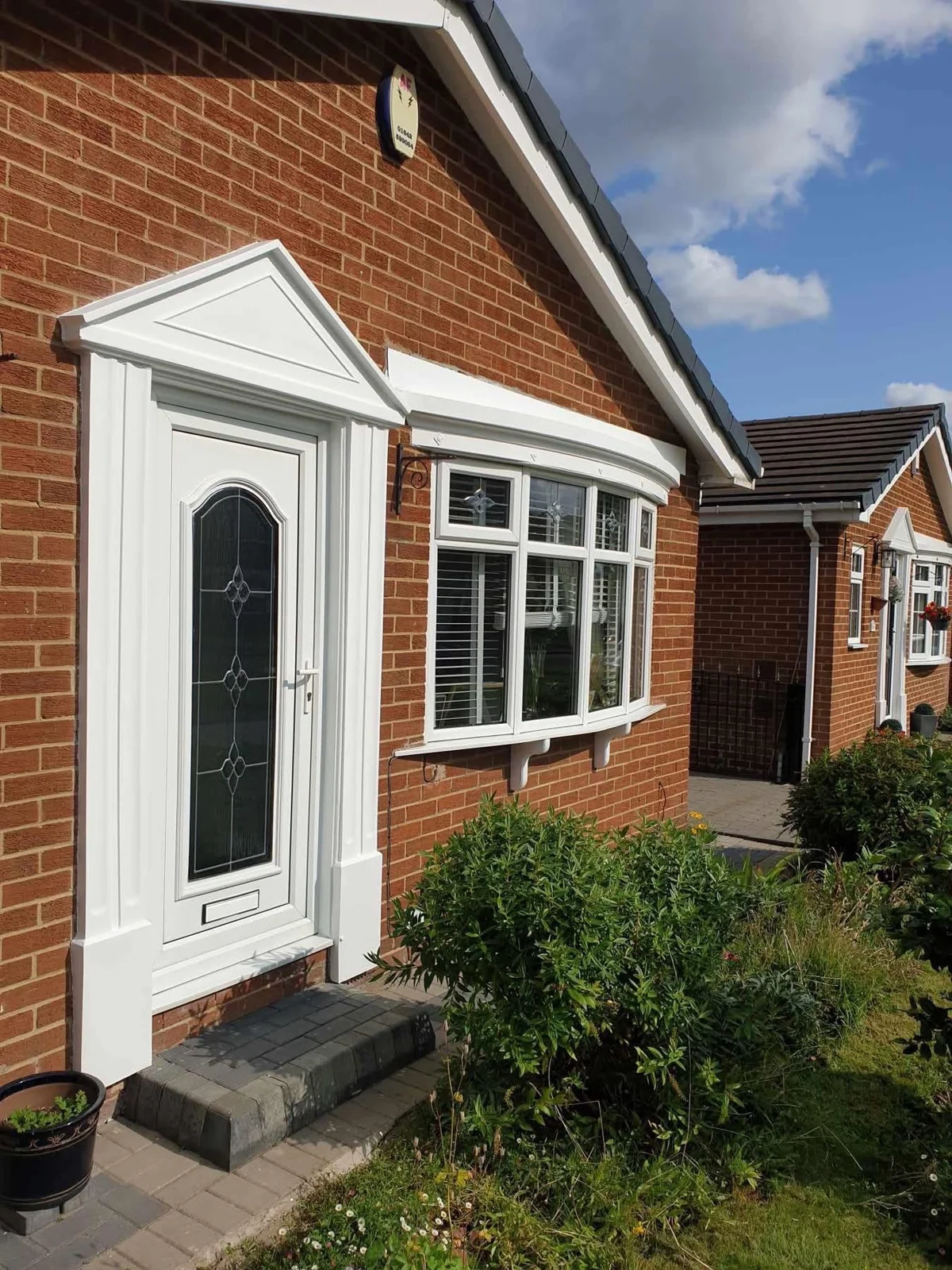
Browse the full project gallery for more preparation and finished-work photographs.
In a room used for eating, homework, relaxing and visiting, the finish has to support several activities. Explain where marks occur and how you normally clean them. The wall beside dining chairs, a corner near toy storage and an area behind a sofa face different contact. Those observations are useful when discussing products because durability is not one universal quality that overrides surface condition, appearance and the manufacturer’s care guidance.
For interior painting, consider colour and sheen together. A finish that suits one room may show unwanted reflection in another, especially under strong window light. Test samples alongside flooring, furniture and retained cabinets, then look at them during the hours the room is busiest. A scheme should make sense when the room is in use, not only when it is empty and photographed in bright daylight.
If the living area opens into a kitchen or hall, think about transitions. The connecting wall, door frames and ceiling may link the spaces even when their colours differ. Establish those relationships before approving each room separately. Keep a record of the final products and colours so future maintenance can be discussed accurately. A coherent plan can be carried out in stages, provided each stage is specified with the same overall intention.
A kitchen may feel ready for a change even when its storage and layout still work. Suitable cabinet respraying can be discussed as an option, but the condition and material need assessment first. Photographs should show fronts, corners, edges and areas around water or heat. Swelling, lifting coverings and other damage can affect suitability; a new coating cannot make a defective component structurally sound.
Write down what you mean by the kitchen. Some enquiries involve only doors and drawer fronts, while others include frames, plinths, end panels and visible shelving. Interiors are a separate scope. The walls and ceiling may also need different preparation from the cabinetry. A clear list helps avoid comparing a limited front-only proposal with a quotation for a more complete room and cabinet treatment.
If handles, worktops or appliances will change, include that in the programme. Drilling, fitting or joinery adjustments after coating may create unnecessary disturbance. Discuss temporary access to cupboards and the room, along with the gentle-use period after completion. Where selected spray painting is appropriate, masking and the working environment need their own allowance. The method should follow the assessed surfaces and setting rather than a general assumption about how all kitchens are finished.
A bedroom can benefit from a different approach from the busier shared rooms. Think about the atmosphere you want at waking and at bedtime, the position of lamps and the amount of visible wall around furniture. A colour that appears restful in a sample may change under warm evening lighting. Review it in the room, with curtains and bedding where possible, before treating the choice as settled.
Feature paper or a deeper wall colour can frame the bed, but consider the whole room. The wardrobe, door, ceiling and adjacent wall may need coordination to make the feature feel intentional. If only one wall is being decorated, be clear about the condition and appearance of the others. A focused project can work well, but it is a different scope from a complete bedroom refresh with woodwork and ceiling included.
Practical arrangements matter here too. Tell Matthew whether the room must be slept in each night and where the bed and contents can go. Wardrobes can restrict access even when they seem easy to cover. Agree clearance and return-to-use requirements before the work starts. Fresh coatings should be allowed to dry and cure as specified rather than being tested by immediately pushing furniture back against the wall or closing tightly against new paint.
Wallpaper can introduce texture or pattern without replacing the main furniture, but ordering it should follow an informed plan. Provide the design, roll dimensions, repeat and hanging instructions when asking about wallpapering. The area of the wall is only part of a quantity calculation; matching and cuts around openings can require additional material. Check batch consistency and delivery timing before booking the hanging stage.
The background must suit the chosen paper. Existing loose paint, old adhesive and uneven or absorbent repairs need assessment. Lining or other preparation may be appropriate, but it should not be treated as a way to conceal unstable plaster or moisture problems. If you intend to strip paper yourself, tell Matthew before starting and allow time to assess the revealed condition rather than assuming the next finish can be applied immediately.
Pattern placement is also worth discussing. A central motif can be affected by a bed position, chimney breast or doorway, and a strong design may look different over a large area than on a small sample. Share photographs of the wall as it will be furnished. Keep suitable spare material and the product details afterwards, while recognising that a later repair still requires assessment and cannot be promised invisible in every situation.
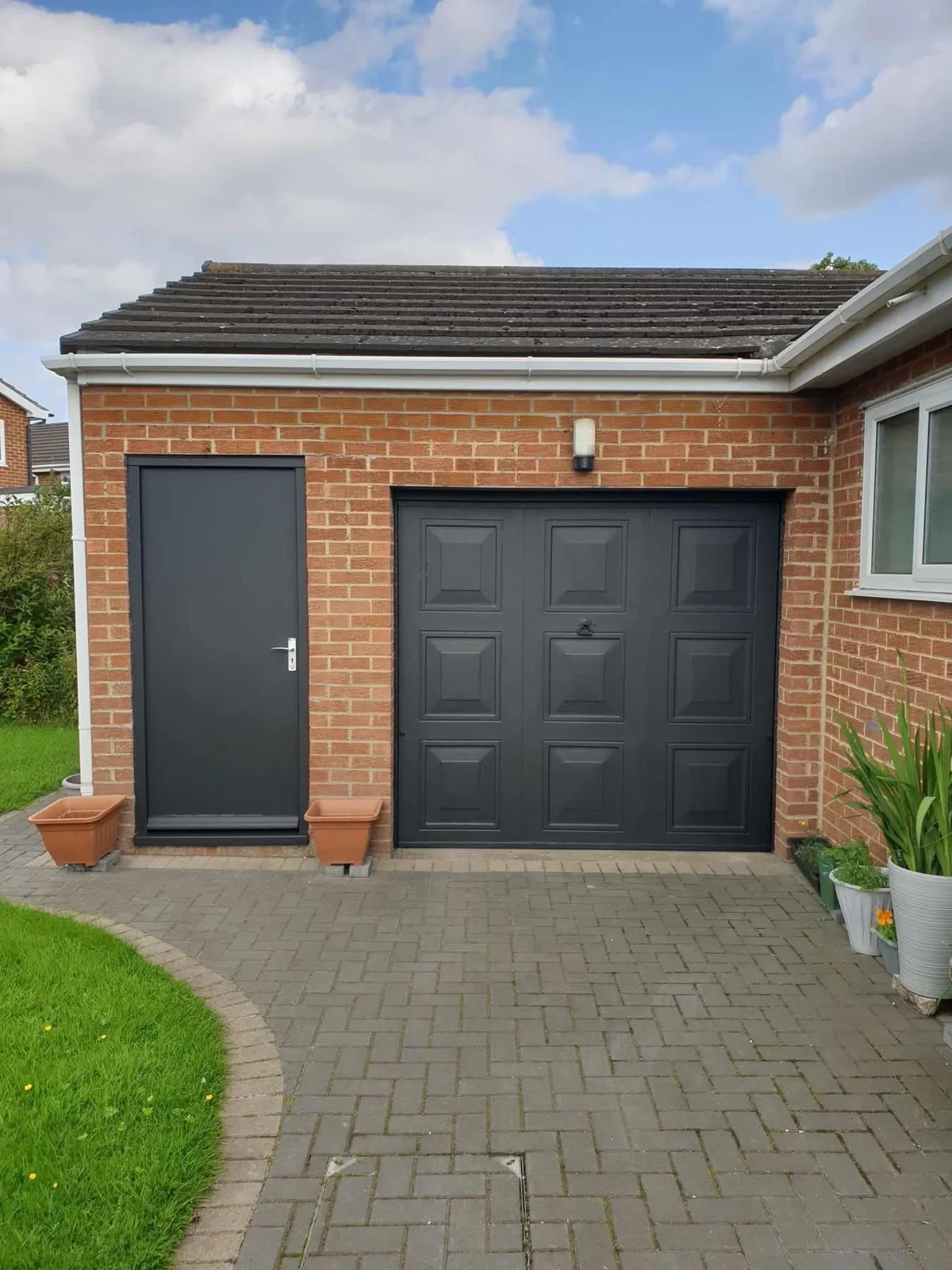

Browse the full project gallery for more preparation and finished-work photographs.
A staged project can become awkward if the shared routes are left until the end without a plan. The hallway may connect every room and carry much of the daily wear. Count its doors and consider the stairs, landing, rails and ceiling separately. A narrow space can contain substantial detailed work even when its floor area is small, so a simple room count may not describe the scope adequately.
Explain which routes must remain usable and when. Household members, pets and work-from-home needs can affect the sequence and equipment positioning. Freshly coated rails or doors may require considerate handling, and high sections need appropriate access. Those requirements should be discussed before dates are fixed rather than discovered when other rooms are already full of displaced furniture and the hallway is the only available storage space.
A consistent trim scheme can help the phases join together. Record the products and colours used, and agree which door faces and frames belong to each stage. Otherwise, a door can become a boundary between two projects with neither quotation clearly covering it. Precise scopes do not need complicated language: a simple item list and a note about access can prevent uncertainty when the work moves from one part of the house to the next.
If the staged plan includes a front door or other external surface, provide details independently of the indoor rooms. A coating exposed to weather must suit its substrate and condition. Loose layers, timber defects or water staining need assessment before colour. Photos should show the full feature and access, together with close views of problem areas. Repair requirements may sit outside decoration and should be identified before the finishing stage.
Darlington Council provides conservation information for the borough, including Middleton St George and neighbouring areas. That is a prompt to check the status of the specific property, not a claim that every home is subject to the same controls. Where proposed changes affect a listed building or protected appearance, confirm the requirements with the relevant authority before agreeing materials or colours. A decorating quotation does not replace that advice.
Exterior painting must allow for suitable weather and drying conditions. A flexible programme may be needed, even if the indoor stages are planned around fixed household arrangements. Tell Matthew about deadlines and other contractors early, but do not assume that a particular outside date can be guaranteed regardless of conditions. Separating this work within the scope helps make the overall project more realistic and easier to coordinate.
A concise project schedule makes the next conversation easier. Include the Middleton St George postcode, rooms in priority order, approximate dimensions, photographs and any fixed household needs. State what you would like completed first and which later changes remain optional. Mention materials already bought, other trades and any known defects. Coverage and the next assessment step can then be confirmed for the actual work, without implying premises or previous projects in the village.
When reviewing the quotation, check that each stage identifies its surfaces, preparation, products and practical assumptions. Ask how additional discoveries would be discussed and who is responsible for clearing rooms. If your priorities change, revise the brief before treating the earlier quotation as though it automatically covers the new plan. A staged approach works best when the boundaries remain clear while the final scheme stays coherent.
The gallery offers photographed examples to help you explain ideas, but your surfaces will determine the specification. Contact Matthew on 07763 095929 or info@mrdecorteesside.co.uk with the details. A practical first conversation should establish what needs assessment, which decisions come next and how a suitable decorating scope could fit around the way your home is used.
YOUR MIDDLETON ST GEORGE PROJECT
Project-specific advice starts with the actual surfaces, access and finish you have in mind.
Yes, explain why that room comes first and which parts of it you want changed. Cabinet fronts, panels, walls and ceiling should be listed separately because their suitability and preparation differ. Include any planned fitting or repair work, along with the access you need during the project. The quotation can then be discussed as a defined first phase rather than an undefined share of a whole-house decorating allowance.
Agree the overall relationships early and retain the final product and colour information for every completed stage. Review later samples in their own rooms rather than assume the same shade always looks identical under different light. Material availability and condition should still be checked when the next phase is planned. A recorded scheme supports continuity, while a fresh assessment ensures the practical specification remains appropriate for the later surfaces.
Not necessarily. Doors, frames, stair details, height and restricted access can make a compact circulation space a substantial decorating task. Count the individual surfaces and show the layout rather than compare floor area alone. The amount of preparation also matters. A sound large wall may require less detailed attention than several worn components in a narrow hall. A clear scope is the basis for a useful comparison.
Follow the guidance agreed for the products and the room rather than rely only on a touch test. Drying and curing are different stages, and recently coated surfaces may need gentle treatment before furniture is placed against them or normal cleaning resumes. Discuss sleeping arrangements before the programme is fixed. The room’s use, ventilation and contents need consideration so that the practical plan suits the household as well as the painting sequence.
Show the condition as it is and explain any previous repairs. Covering the damage can make suitability harder to assess and may introduce a material that does not fit the proposed coating system. Swollen board or a failed covering is not necessarily a simple filling task. Matthew can discuss the visible condition and whether repair, replacement or another trade needs consideration before decorative work is specified.
Each phase needs suitable access and protection for the work being done, so some clearance may be repeated. Explain where furniture and stored items can move, especially if the hallway or spare room is already being used temporarily. Agree responsibilities before each stage begins. Staging can help household use, but it should be planned with the practical setup involved rather than assumed to remove all disruption.
Tell Matthew if you intend to carry out part of the project yourself. The sequence, background preparation and time between adjacent finishes should be agreed so each part is suitable for the next. Product instructions still apply, and responsibility for the wall’s final preparation should be clear. A shared project can be discussed more effectively when the quotation states exactly which tasks are included and which remain with you.
Provide the complete postcode, the type and scale of work, photographs and preferred timing. Mention any difficult access or unusual surface. These details allow the enquiry to be assessed individually rather than assume that a place name establishes availability. The website invites discussion of Middleton St George projects; arrangements, suitability and the next step are confirmed directly for your property and the work you want considered.
EXPLORE NEARBY
Compare decorating services, read customer feedback, or view Matthew’s project gallery.
FIND YOUR AREA
Explore town, village and neighbourhood guides. Confirm your postcode and the work required when asking about a visit.
LET’S PLAN YOUR PROJECT
Send the rooms or surfaces involved, your postcode and preferred timing. Matthew can then discuss the next step towards a free, no-obligation quotation.
Request your free quoteKIND WORDS. BEAUTIFUL HOMES.
★★★★★ 5.0 on Google · 19 reviews
We recently had Matt from Attention to Detail complete work on our hallway and staircase, and we honestly couldn’t be happier with the results.…Read reviews on Google ↗
Attention to Detail is certainly Matt. He has decorated my hall/stairs, lounge and kitchen. I could not fault his work and professionalism.Read reviews on Google ↗
Matt recently decorated our new interior doors, architraves and door frames, and the standard of his work was outstanding.Read reviews on Google ↗
Matt goes above and beyond and his attention to detail literally is perfection!Read reviews on Google ↗
We had Mathew of ATD (Attention to Detail decorating) to prepare and decorate our hall, stairs, and landing, as well as our large front…Read reviews on Google ↗
Matt I cannot recommend enough the name says it all, attention to detail to a fine T!Read reviews on Google ↗
Matthew has done 5 rooms in total for me, he worked above and beyond to perfection. He is very professional.Read reviews on Google ↗
We have used Matthew a few times for different rooms and houses.Read reviews on Google ↗
Matt totally transformed my living room after I had a media wall built.Read reviews on Google ↗
Amazing and Professional from start to finish!Read reviews on Google ↗
Have had Matthew from Attention to Detail in to paint our bathroom and he did an amazing job.Read reviews on Google ↗
I’ve used Matt a couple of times for work in my house, and not once did he let me down even at short notice.…Read reviews on Google ↗
I have used Attention to detail a number of times and Matty has almost decorated my whole house plus frenchic’d some furniture for me.…Read reviews on Google ↗
Excellent service and excellent job completed. Matt certainly lives up to his company name with attention to detail and a high standard of work.Read reviews on Google ↗
This is the second time I have used ATD, and for an even bigger job.Read reviews on Google ↗
Matt decorated all of my bungalow, excellent work very professional would highly recommend himRead reviews on Google ↗
Used ATD recently to redecorate my hall,stairs, and landing, I would recommend this lad anytime he's very thorough clean and tidy worker above all…Read reviews on Google ↗
Excellent service, very professional, went the extra mile. Lovely guy 👍Read reviews on Google ↗
Matt has just painted our media wall for us and did a fantastic job.Read reviews on Google ↗