
Kirsty Littlefair
Google review★★★★★
We recently had Matt from Attention to Detail complete work on our hallway and staircase, and we honestly couldn’t be happier with the results.…Read reviews on Google ↗
MATTHEW ROBINSON PAINTING & DECORATING
Discuss painting and decorating in Stainton with Matthew Robinson. Interior painting, wallpapering, preparation and suitable kitchen resprays. Request a quote.
Tell Matthew your postcode and project details so coverage, suitability and availability can be confirmed.
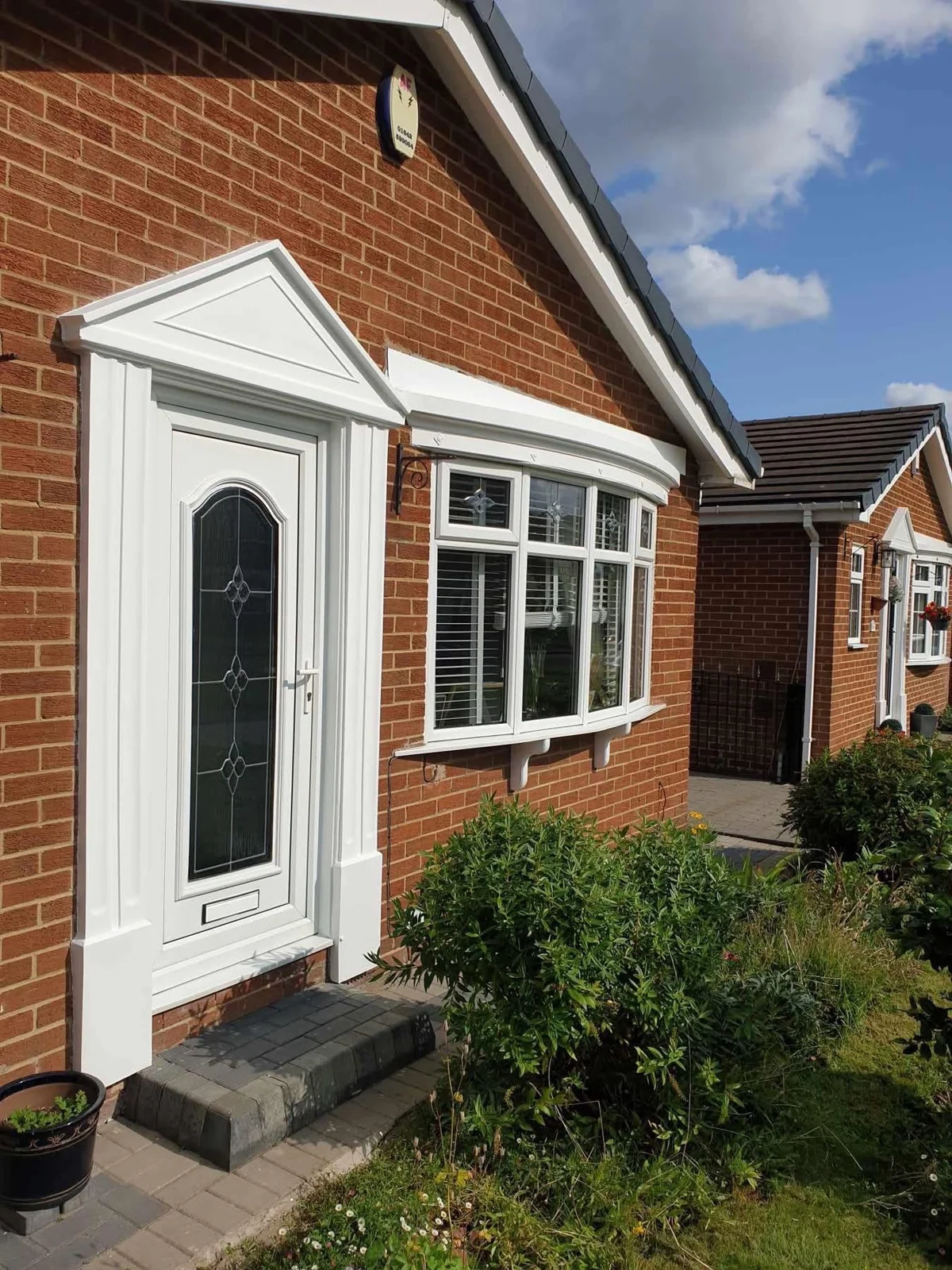
For a Stainton decorating enquiry, the most useful starting point is the home itself: its surfaces, the work you want done and the details you intend to retain. Matthew Robinson Painting & Decorating welcomes enquiries for interior and exterior painting, wallpapering, suitable spray finishes, kitchen cabinet resprays and preparation. A room refresh, a detailed entrance or a wider project can be discussed on its own terms, with coverage and availability confirmed after reviewing the postcode and scope.
Stainton and Thornton are identified together in Middlesbrough Council’s conservation and neighbourhood planning information. That local context is relevant when checking a particular property, but it does not mean every Stainton home is protected or needs the same decorative treatment. This guide concentrates on property-led planning: distinguishing maintenance from alteration, assessing old and new surfaces separately and coordinating work around an occupied home. Call 07763095929 or send Matthew your project details with photographs. You do not need every colour chosen first, but it helps to explain what you want to improve and what should remain unchanged.
A decorative aim and a repair requirement can look similar in a short brief but need different responses. Wanting a lighter hallway is a colour decision; dealing with recurring staining is a condition issue. Wanting smoother walls is a finish objective; loose plaster or continuing movement may require another intervention before decoration. List these concerns separately so the assessment does not treat every visible problem as something a topcoat can solve. Photographs are useful when accompanied by the history of the defect.
If a surface has been repaired before, explain when and what happened afterwards. If a leak has been addressed, say whether drying has been assessed. Where information is unknown, it is better to acknowledge that than invent a cause. Matthew can discuss the decorative scope and whether surface preparation or wall correction is appropriate. Significant structural, moisture or specialist heritage matters may need other advice. A clear boundary between the underlying repair and the finishing work helps the project proceed in the right order.
Start with the materials that will remain visible. Flooring, timber, stone, furniture and fixed kitchen surfaces can all influence how a colour appears. A sample viewed alone may seem neutral but look warmer, cooler or stronger beside those elements. Try choices in the actual room under daylight and the lamps normally used. Consider the ceiling and trim at the same time, because their relationship with the walls affects the whole impression rather than only the largest painted area.
If the room has particular details you like, decide whether to emphasise them or let them sit quietly within a continuous scheme. There is no requirement to make every moulding or doorway contrast. An understated treatment can be deliberate, just as a stronger feature colour can be. For interior painting, record which surfaces receive which finish and where changes stop. This is especially useful around connected rooms, where the view through a doorway may include several colours, materials and lighting conditions at once.

Browse the full project gallery for more preparation and finished-work photographs.
Doors, rails, skirting, sills and other trim may have accumulated several coatings or show wear at edges and handles. Assess them independently from the walls. Thick layers, chipped areas and uneven repairs can influence the preparation, while fragile or protected details may need a more cautious approach. Avoid deciding that everything should be stripped or simply recoated before its condition is understood. The appropriate process depends on the material, existing system and the result being sought.
List the elements clearly, including door faces, edges and frames. If handles or fittings will be changed, coordinate that decision before the final finish so exposed holes or marks can be considered. Where suitable, spray painting can be discussed for selected surfaces, but the working environment and substrate still guide the method. A smooth coating does not repair a distorted component or poor fitting. Any separate joinery work should be resolved as part of the overall programme so the decorative specification describes the final arrangement.
A wallpaper choice does not have to reproduce an assumed historic style to suit a room with character. Think about scale, colour and texture in relation to furniture and the features you want to keep. A quieter design may support detailed joinery, while a stronger pattern can provide a focal point in a simpler space. Review the main view from the doorway and consider where large furniture will cover the pattern. A close-up sample is only part of that decision.
For wallpapering in Stainton, provide the product reference and hanging instructions before quantities and preparation are agreed. Pattern repeat, batch availability and matching waste influence the plan. Existing paper may need removing to establish the wall’s condition, and lining is only appropriate as part of a sound preparation system. If the wall is irregular, discuss how a strong geometric design will meet its edges. The aim is a considered layout and suitable base, not an assumption that paper will conceal every defect or make imperfect geometry disappear.
External surfaces should be identified individually. Painted masonry, timber doors and other elements may require different preparation and coating systems. Photograph each area and show flaking, staining, damaged joints and places where water affects the finish. Explain height, access and obstacles below the work. A view from the front may not reveal a narrow side passage or a difficult rear elevation, so the assessment needs enough information to consider practical arrangements before the job is scheduled.
A suitable exterior programme follows the product requirements as well as your preferred timing. Rain, temperature, dew and surface moisture affect application and drying. Repairs should be completed appropriately before decoration and allowed to become ready for the selected system. The exterior painting service can be discussed once materials, condition and access are understood. Avoid treating an outdoor refresh as a simple extension of an interior repaint: exposure, readiness and working conditions introduce different questions that should be reflected in the specification and plan.
Where a property is listed or lies within a conservation area, obtain relevant advice before changes to protected details. The council’s Stainton and Thornton designation is a prompt to check the actual address and work, not proof that every painting task requires consent. Distinguish maintenance from alteration and share confirmed requirements with the decorator. If a proposed colour, material or removal depends on permission, resolve that before ordering products or fixing a programme around an unconfirmed assumption.
Decoration should not be presented as specialist conservation work unless that scope and expertise have been established. Some surfaces or materials may need advice beyond ordinary redecoration, particularly where previous coatings or repairs are incompatible with the building. Explain the information you have and ask what further assessment is needed. A measured approach can protect both the retained features and the clarity of the quotation. The desired appearance remains important, but it must sit alongside material suitability, property-specific requirements and the condition of what is already there.

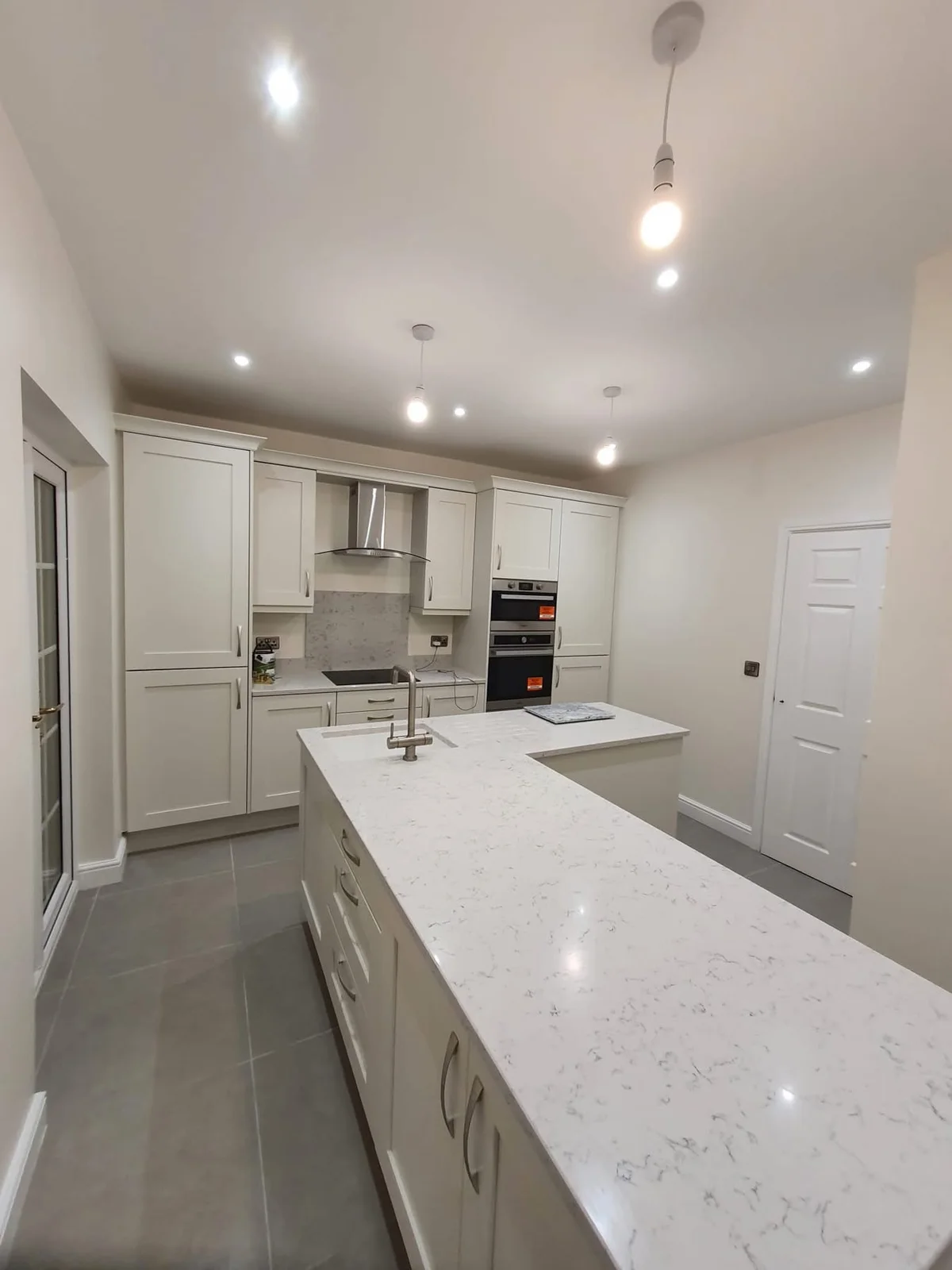
Browse the full project gallery for more preparation and finished-work photographs.
A kitchen may sit comfortably within an older or more individual interior while still benefiting from a colour change. However, visual compatibility does not establish suitability for respraying. Identify the cabinet materials where known, describe the existing coating and show any peeling, swelling or damaged edges. Grease and handling affect preparation, while loose coverings or unsound substrate may need a different response. Photographs of fronts, backs and edges are more informative than a room image alone.
For a potential kitchen cabinet respray, list doors, drawer fronts, panels and other included components. Discuss handles, hinges and any changes by a joiner before the finishing stage. Compare proposed colours with retained worktops, flooring and splashbacks, and agree practical kitchen access during the work. Cleaning, preparation and curing should be part of the conversation rather than treated as incidental. A decorative refresh can alter appearance, but it should not imply repair of mechanical faults or structural damage that falls outside the coating work.
A project needs room for preparation, equipment and protection as well as painting. Agree who clears ornaments, books and other belongings, what happens to large furniture and which routes need to remain available. Tell Matthew if someone works from home or if a bedroom or kitchen must stay usable. Those requirements can shape the sequence, especially when several spaces are connected. Do not assume that every room can be opened up at the same time without affecting household routines.
Other trades should be coordinated to avoid disturbing prepared or completed surfaces. Electrical alterations, plaster repairs and joinery changes are better understood before the decorative programme is fixed. If the project is phased, maintain a record of agreed colours and products, but reassess the later rooms when their work is due. A planned gap can be sensible; an undefined gap can lead to lost decisions and mismatched expectations. Availability is confirmed for the actual enquiry, and realistic access arrangements support a more orderly experience than a timetable based solely on the number of rooms.
A useful maintenance record starts with what can actually be observed. Photograph the surfaces, note when defects were first noticed and keep details of repairs already carried out. If an exterior coating has failed again, record where the problem recurs rather than assuming every elevation needs the same treatment. If an interior stain has appeared, explain the leak or moisture history. These observations do not provide a diagnosis by themselves, but they make an assessment more useful than a brief that only asks for the mark to be covered.
Distinguish evidence from expectation when describing the desired result. You may want a wall to look smoother, but the assessment still needs to establish whether the material is sound and what preparation is realistic. A colour change can improve the impression of a room without correcting its geometry or underlying repair needs. Where another trade or specialist is required, coordinate that work before the decorative system is finalised. A clear sequence protects the effort invested in finishing and avoids treating repeated repainting as the only response to an unresolved defect.
Retained features and any confirmed property restrictions should be documented alongside the surface information. Keep advice specific to the work and address rather than relying on a general statement about Stainton. If a proposed external change develops beyond maintenance, check whether the original understanding still applies. The decorator needs accurate information about requirements that affect materials, colours or treatment, while permission and specialist advice should come from the appropriate source. This makes the project more straightforward without inventing restrictions that have not been established.
At completion, add the finish specification and care guidance to the record. Identify which product and sheen were used on each surface and note any wallpaper reference or relevant component treatment. In future, this helps explain what is present before someone chooses a maintenance approach. It cannot promise a permanent finish or invisible touch-up, because wear and exposure vary, but it provides a sensible basis for the next assessment. Thoughtful decorating is easier to maintain when decisions remain connected to the condition and information on which they were made.
Send your postcode and describe whether the work is inside, outside or a combination. List walls, ceilings, woodwork and fitted components rather than relying on a room name to imply their inclusion. Mention old wallpaper, visible defects, previous repairs, planned building work and any property-specific restrictions you already know about. If products have been chosen, provide exact references. If they have not, explain the effect you want and the materials that will stay. This gives Matthew a useful basis for discussing the next step.
At handover, ask for coating details and care guidance. Fresh finishes may need careful use while they cure, and cleaning should follow the particular product’s instructions. Retain colour codes, sheens and wallpaper information for later maintenance without expecting every future touch-up to be invisible. The portfolio gallery provides examples to discuss, not claims about a particular Stainton address. Contact Matthew Robinson Painting & Decorating on 07763095929, email info@mrdecorteesside.co.uk or request a quotation online. Suitability, coverage and dates are confirmed after reviewing your property and scope.
YOUR STAINTON PROJECT
Project-specific advice starts with the actual surfaces, access and finish you have in mind.
The position depends on the address, any listing and the proposed work. A conservation area name does not establish requirements for every interior or exterior task. Check with the relevant authority where protected features or alterations may be involved. Share confirmed advice before a specification relies on changing colours, materials or retained details.
Yes, the decorative scheme can be discussed around your preferences, retained materials and the room’s character. Check any property-specific restrictions where relevant, especially for protected work. Samples in the actual space are more useful than assuming a style must follow a particular palette. Consider walls, ceilings, trim and furniture together before confirming the result.
Repeated failure needs its cause considered rather than another automatic topcoat. Describe the surface, previous attempts and any moisture or damage you know about. Assessment may identify preparation, compatibility or repair issues, and another specialist may be needed for the underlying cause. A decorative quotation should follow that understanding instead of promising paint alone will resolve it.
Not automatically. Material, condition, coating build-up and any protected status influence the approach. Removal can damage details if it is inappropriate, while recoating unsound layers can also be unsuitable. Discuss assessment and preparation before deciding the method. Where specialist heritage advice is needed, ordinary redecoration should not be presented as a substitute.
Share the design, wall dimensions and photographs and discuss layout before purchasing the final quantity. Strong repeats can interact noticeably with irregular edges, so the intended focal point and compromises need considering. Preparation may improve the surface without changing the underlying geometry. A suitable pattern and planned layout are more useful than assuming every edge will be perfectly regular.
Both can be discussed, but each needs its own specification and conditions. External application depends on weather, surface moisture, repairs and access, while indoor sequencing depends on the rooms and household. A combined enquiry is helpful, but do not assume the same timetable or product system applies to both parts of the work.
Explain the leak history, what repair has been completed and whether the area is now dry. Send photographs and mention any recurring marks or damaged plaster. The underlying cause must be addressed before decoration is considered appropriate. A suitable finishing system may then be discussed; covering a stain is different from repairing an active leak.
Retain the agreed product names, colour references, sheens and room or surface locations. Follow curing and cleaning guidance and keep wallpaper labels where relevant. These records help future assessment, although age, exposure and application differences can affect touch-ups. Revisit condition before later work rather than assuming an old specification remains suitable everywhere.
EXPLORE NEARBY
Compare decorating services, read customer feedback, or view Matthew’s project gallery.
FIND YOUR AREA
Explore town, village and neighbourhood guides. Confirm your postcode and the work required when asking about a visit.
LET’S PLAN YOUR PROJECT
Send the rooms or surfaces involved, your postcode and preferred timing. Matthew can then discuss the next step towards a free, no-obligation quotation.
Request your free quoteKIND WORDS. BEAUTIFUL HOMES.
★★★★★ 5.0 on Google · 19 reviews
We recently had Matt from Attention to Detail complete work on our hallway and staircase, and we honestly couldn’t be happier with the results.…Read reviews on Google ↗
Attention to Detail is certainly Matt. He has decorated my hall/stairs, lounge and kitchen. I could not fault his work and professionalism.Read reviews on Google ↗
Matt recently decorated our new interior doors, architraves and door frames, and the standard of his work was outstanding.Read reviews on Google ↗
Matt goes above and beyond and his attention to detail literally is perfection!Read reviews on Google ↗
We had Mathew of ATD (Attention to Detail decorating) to prepare and decorate our hall, stairs, and landing, as well as our large front…Read reviews on Google ↗
Matt I cannot recommend enough the name says it all, attention to detail to a fine T!Read reviews on Google ↗
Matthew has done 5 rooms in total for me, he worked above and beyond to perfection. He is very professional.Read reviews on Google ↗
We have used Matthew a few times for different rooms and houses.Read reviews on Google ↗
Matt totally transformed my living room after I had a media wall built.Read reviews on Google ↗
Amazing and Professional from start to finish!Read reviews on Google ↗
Have had Matthew from Attention to Detail in to paint our bathroom and he did an amazing job.Read reviews on Google ↗
I’ve used Matt a couple of times for work in my house, and not once did he let me down even at short notice.…Read reviews on Google ↗
I have used Attention to detail a number of times and Matty has almost decorated my whole house plus frenchic’d some furniture for me.…Read reviews on Google ↗
Excellent service and excellent job completed. Matt certainly lives up to his company name with attention to detail and a high standard of work.Read reviews on Google ↗
This is the second time I have used ATD, and for an even bigger job.Read reviews on Google ↗
Matt decorated all of my bungalow, excellent work very professional would highly recommend himRead reviews on Google ↗
Used ATD recently to redecorate my hall,stairs, and landing, I would recommend this lad anytime he's very thorough clean and tidy worker above all…Read reviews on Google ↗
Excellent service, very professional, went the extra mile. Lovely guy 👍Read reviews on Google ↗
Matt has just painted our media wall for us and did a fantastic job.Read reviews on Google ↗