
Kirsty Littlefair
Google review★★★★★
We recently had Matt from Attention to Detail complete work on our hallway and staircase, and we honestly couldn’t be happier with the results.…Read reviews on Google ↗
MATTHEW ROBINSON PAINTING & DECORATING
Painting and decorating enquiries in Grangetown. Discuss practical maintenance, room painting, woodwork, wallpaper and suitable kitchen cabinet finishes.
Tell Matthew your postcode and project details so coverage, suitability and availability can be confirmed.
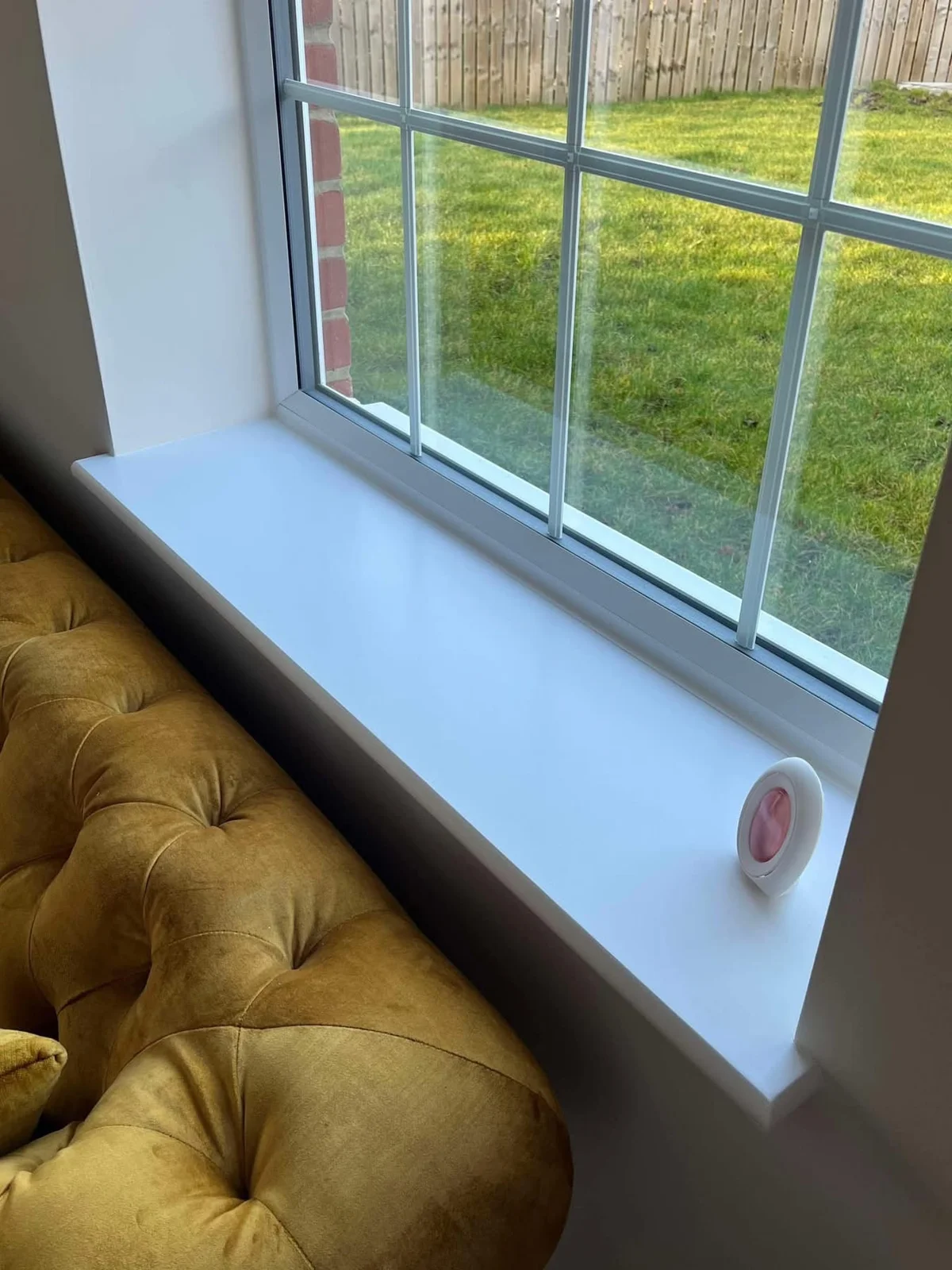
A decorating project can be an opportunity to make the next few years of looking after a home more straightforward. Clear product choices, well-defined surfaces and sensible preparation help you understand what has been done and how to care for it. Matthew Robinson Painting & Decorating welcomes Grangetown enquiries for room painting, woodwork, wallpapering, selected spray work and suitable kitchen cabinet refinishing. The discussion begins with the condition you have and the practical result you would like, rather than a promise based on a place name alone.
Grangetown is part of Redcar and Cleveland’s TS6 area, alongside neighbouring communities such as South Bank and Eston. Provide your full postcode when asking about coverage or a visit. The neighbourhood contains individual properties with their own histories, so material, exposure and room use need assessing at your address. Call 07763 095929 or use the enquiry form to request a free quotation and discuss what information is needed before the proposed work and availability can be confirmed.
If you find yourself repairing the same marks each year, identify why those particular surfaces wear. A wall behind chairs, a frequently handled cupboard edge and a door beside a busy route experience different stresses. Tell Matthew which issues are recurring and what has already been tried. The information can inform preparation, product choice and practical arrangements around the surface after decoration.
A new coating should not be expected to prevent every impact or cleaning mark. Consider whether the room layout contributes to the problem and whether a small adjustment would reduce contact. Also distinguish ordinary wear from a defect that keeps returning because its cause remains active. A stain linked to moisture or a moving crack needs a different conversation from scuffed paint. Understanding the pattern is more useful than repeatedly applying a stronger colour or asking for a finish described as maintenance-free without discussing how it will be used.
Colour names alone can be ambiguous, and several products may offer a similar-looking finish. When a scheme is agreed, keep the manufacturer, product, shade and sheen details together. Record which surfaces receive which finish, especially where walls and woodwork use related colours. This helps future maintenance conversations and reduces the chance of buying a different material because a label sounded familiar.
The quotation for interior painting should identify the scope before work starts. Check whether preparation, ceiling work, doors, frames, skirting and fitted items are included. If you are supplying materials, agree those arrangements explicitly so the product is suitable for the proposed work and available when needed. Retaining information is useful, but it does not guarantee that a local patch years later will blend invisibly with an aged wall. It provides a better starting point for assessing the next decision.


Browse the full project gallery for more preparation and finished-work photographs.
A surface with weak old coatings or poorly bonded repairs can affect any new finish. Tell Matthew about peeling, chalky areas, persistent stains or patches that look different after cleaning. The assessment should consider whether the background is stable and what preparation is appropriate. A brighter or darker shade cannot correct a material problem merely by making it less noticeable for a short time.
The surface preparation and wall correction service can be discussed according to the condition found and the result required. Some jobs involve modest local work; others need more extensive correction or preceding repairs by another trade. A quotation should explain those boundaries. If an older textured surface or coating is unidentified, do not disturb it without appropriate consideration. Preparation should be a response to the actual material and risk, not an automatic instruction to sand every visible surface before anybody has assessed it.
Kitchen decorating can mean painting walls and ceilings, refinishing cabinet fronts or both. These are different tasks and should be described separately. Walls may face splashes and cleaning, while fronts have concentrated handling around edges and knobs. Tell Matthew about the way the space is used, how it is ventilated and any marks that return. Active moisture or a leak should be resolved before final decoration rather than hidden under a new finish.
For cabinet respray enquiries, show the whole layout and close-ups of defects. Peeling films, swollen panels, loose hinges or failing edges affect suitability. List visible panels, trims and plinths as well as doors and drawers. A useful proposal identifies the surfaces included and what preparation they need, rather than treating every kitchen as a standard set of identical fronts. Discuss any new handles or appliances before coating so their installation is coordinated with the finish.
Spray application can be a suitable method for certain surfaces, but the object and its setting both matter. A fixed unit beside finished walls involves different protection from a movable item in a clear working area. Supply photographs showing the surrounding room, flooring and adjacent finishes. Explain what can move, what must stay in place and which facilities need to remain usable during the work.
The spray painting service can then be considered as one possible approach rather than assumed to be a universal upgrade. Cleaning, abrasion, compatible primers and suitable coatings may be needed, with masking and access forming part of the project. The method should support the specified result for the actual material. Ask how freshly coated surfaces should be handled and cleaned, particularly edges, shelves or cupboards that may look ready before the finish reaches its full curing stage.
Frames, doors, skirting and rails often receive more concentrated wear than the centre of a wall. Look closely around handles, lower edges and corners. A new colour can improve appearance, but loose coatings and damaged areas need suitable preparation first. Explain whether the finish is known and whether the woodwork has previously been painted, varnished or repaired. If you do not know, a clear description and photographs are better than an unsupported guess.
List the faces and edges you want included and agree how the work meets rooms outside the project. Door adjustments and replacement hardware should be considered before final coating. In an occupied property, freshly coated doors may need a sequence that maintains security and essential access without damaging wet edges. These practical issues are part of choosing the finish, not matters to leave until the last day when everybody expects the household to return immediately to normal handling.

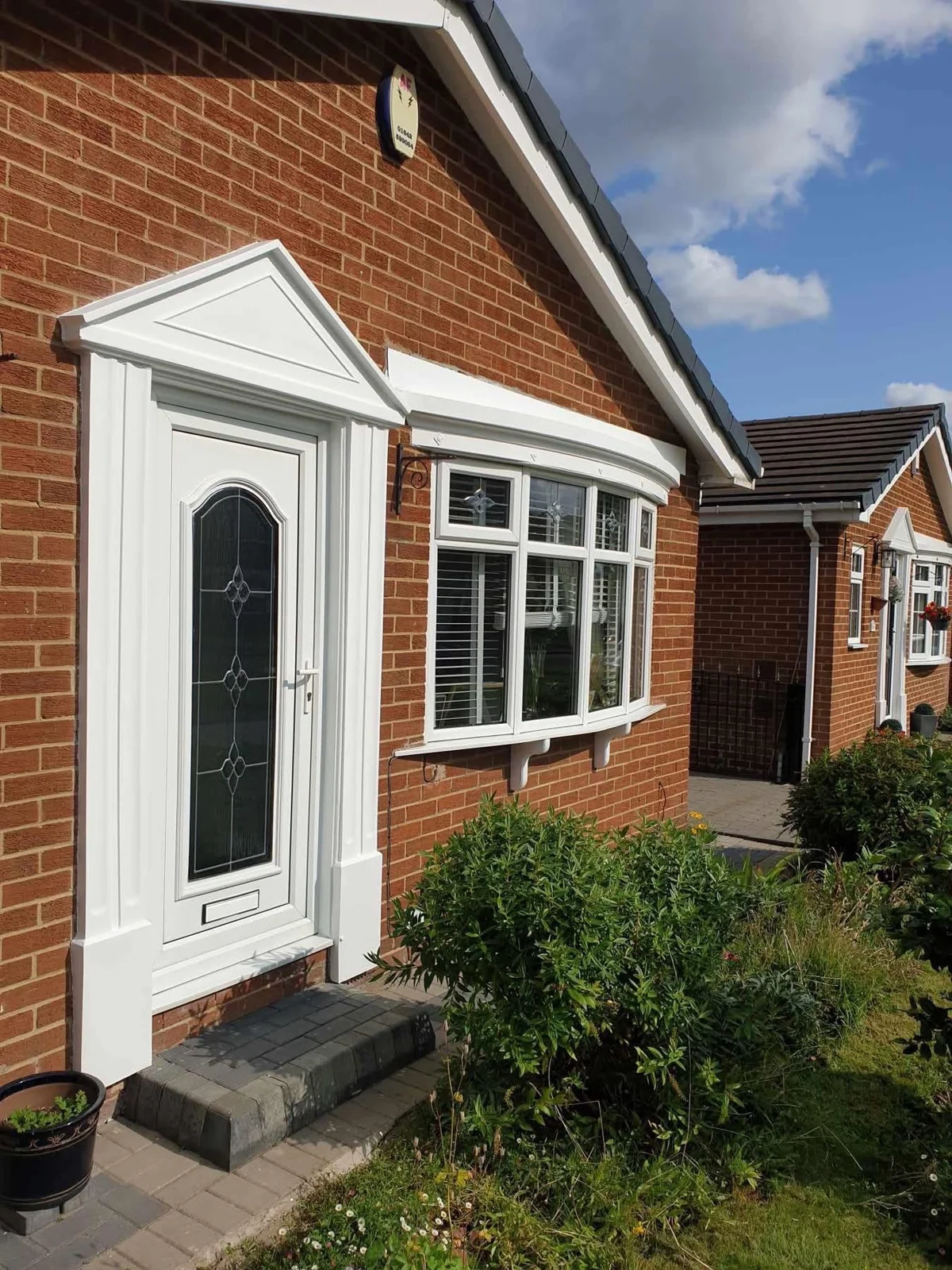
Browse the full project gallery for more preparation and finished-work photographs.
A dining corner or home workspace can place repeated pressure on a small section of decoration. Chairs, bags, equipment and cleaning may affect the same area day after day. Show Matthew these patterns when discussing a room, even if the rest of the wall looks sound. The product choice can take the use into account, but the arrangement of furniture and objects should also be considered.
If you are changing the layout, settle the main positions before the final finish. Removing shelves or moving a desk can expose old marks and fixing holes that were not visible during an initial overview. A useful room brief distinguishes between painting the current arrangement and preparing for the new one. It also identifies what remains fixed and what you will clear. This helps ensure the scope addresses the parts that will actually be visible and accessible once the room is put back into everyday use.
Wallpaper can add pattern or texture, but consider its location and the way that wall is used. A delicate covering close to repeated chair contact or a frequently handled corner may need a different discussion from a feature above furniture. The manufacturer’s care guidance and hanging instructions matter alongside design. Explain whether cleanability, a particular texture or a visual focal point is the main objective.
For wallpaper installation, confirm the product and assess the background before ordering quantities. Pattern repeats, wall height and openings affect material use. Stripping can reveal weak coatings or repairs that need attention, and a new paper should not be used as a substitute for dealing with those issues. Retain roll and batch details and discuss the supply arrangements. Any spare material should be kept appropriately, while recognising that future fading or changes in the surrounding finish may still affect a later local repair.
If an exterior area peels repeatedly, describe where it happens and how the pattern changes. The substrate, previous system, moisture and exposure may all need consideration. A ground-level photograph helps explain the location but cannot establish every defect or safe access at height. Identify repairs already planned and any surfaces that must remain untouched, including adjoining components made from a different material.
The exterior painting service should follow an assessment of soundness and suitable products. Rotten timber, unstable render or water entry may require another trade before decorating. Weather and substrate moisture influence timing, so allow flexibility where possible. Maintenance is not simply a matter of adding another coat at a fixed interval regardless of condition. The proposed work should respond to what is happening on the surface and establish a reasonable basis for future care of the selected finish.
A home does not have to be redecorated all at once. If stages suit your circumstances, identify the priority rooms and the likely later changes. Retain the agreed material details and consider how adjoining spaces will meet. A hallway finished before several dusty room projects may become a busy transport route, so the order should be discussed rather than based only on which colour you are most eager to change.
Different stages can require repeated setup, clearing and protection, so do not assume they involve the same resources as one continuous project. Ask for the proposal to identify the current scope and any separate future work. Explain daily access needs, sleeping arrangements and where furniture can go. A clear staged plan gives each phase a practical purpose while avoiding the impression that a later room, extra cupboard or connected doorway is automatically included because it was mentioned during an early conversation.
At completion, check the agreed surfaces and ask about care for the selected products. Drying and curing are different stages; a surface that feels dry may still need cautious handling. Door edges, shelves and cabinet fronts can be particularly sensitive to early contact. Keep any instructions with the colour and product information so the household does not rely on memory when deciding when and how to clean.
If an issue appears later, note its location, timing and possible cause before attempting an aggressive repair. A clear photograph and the original specification help explain the situation. Different causes can produce similar visible marks, so repeat cleaning or recoating should not be assumed to be the answer. A sensible handover does not promise that no maintenance will ever be needed. It gives you useful information about what has been applied and how to look after the work as the property continues to be used.
For a quotation, provide the postcode, a surface and room list, photographs and your preferred period. Explain whether the aim is routine renewal, a new colour scheme or correction of particular defects. Mention furniture that remains, other trades and materials already selected. Those details help Matthew discuss what assessment is needed and whether the proposed work is suitable before scope and availability are confirmed.
Contact Matthew Robinson Painting & Decorating on 07763 095929 or at info@mrdecorteesside.co.uk. You can use the contact page to send the information in writing and browse the portfolio for examples of the business’s preparation and finishes. The gallery is not presented as a record of work at particular Grangetown addresses. Your own project needs its own assessment, with a quotation that identifies the surfaces, preparation, materials and exclusions rather than relying on a generic promise about every home in the area.
YOUR GRANGETOWN PROJECT
Project-specific advice starts with the actual surfaces, access and finish you have in mind.
Describe where the wear occurs and how the area is used. Photographs showing furniture positions and contact points are useful. A suitable product can be considered, but repeated hard contact or aggressive cleaning can still affect a finish. It may help to change the arrangement as well as repaint. Distinguish ordinary wear from recurring stains or cracks that could need investigation before the decorating stage is agreed.
Retain manufacturer, product, colour and sheen information, together with a note of where each was used. Keep any relevant care guidance as well. This makes later maintenance enquiries clearer and avoids guessing from a similar name. It does not guarantee a future patch will be invisible, because age, light and cleaning can change the surrounding surface. The information is a useful starting point for assessing the next appropriate action.
Suitability depends on the surface, preparation, use and desired appearance rather than price alone. Explain the room’s wear and cleaning needs and discuss the actual product. A coating intended for a particular purpose may not be appropriate everywhere. The quotation should also identify preparation and application, because a premium topcoat cannot turn an unstable or incompatible background into a sound system merely by being applied over it.
They need assessing as different surfaces. Cabinet material, existing coatings and frequent handling can create different requirements from a plastered wall. Explain both parts of the project so preparation and suitable products can be considered separately. A coordinated colour scheme does not mean every surface should receive the same paint. The proposed system should follow the material and use of each element included in the quotation.
Swollen or damaged material needs assessment before coating is proposed. A fresh finish cannot make a failing component structurally sound. Send close-up photographs and explain whether water exposure or another cause is still present. Suitability must be established before discussing a respray as the solution. Some components may need repair or replacement, and any ongoing source of damage should be addressed before a decorative coating is applied.
Tell Matthew exactly what is fixed and provide photographs of the surrounding space. Protection, access and suitable working conditions influence whether spraying is appropriate or another method is more practical. Do not assume every object can remain in normal use next to the work. The plan should describe what needs clearing, what can be protected and how the selected process fits the actual property rather than an ideal empty room.
Follow the guidance for the chosen coating and discuss essential access before the work begins. Fresh edges and contact points may need particular care even when the surface feels dry. Do not assume normal heavy handling or immediate cleaning is appropriate. Ask how the doors should be used and protected, and keep the advice with the product details so everyone in the household follows the same instructions.
Consider where chairs, bags and hands contact the wall, and review the covering’s care instructions. A design suitable for a lightly touched feature may not suit every high-contact position. Share the actual paper specification before quantities and preparation are agreed. The assessment should also consider the background, because selecting a practical covering does not remove the need for stable surfaces and appropriate installation.
A coating should not be treated as a universal repair for water entry. Explain the symptoms and any investigation already completed. Damaged joints, rotten material or other defects may require an appropriate trade before decorating. The exterior proposal should follow those repairs and suitable preparation, not conceal an unresolved cause. Product choice and timing need to reflect the soundness and readiness of the actual surface.
You can outline the broader plan, but identify which work you want quoted and booked now. Later stages may need their own assessment because condition, materials, access and availability can change. Keep the current boundaries clear and retain the scheme details for continuity. This allows a staged project to remain coordinated without assuming every future room or additional surface is already covered by the first quotation.
EXPLORE NEARBY
Compare decorating services, read customer feedback, or view Matthew’s project gallery.
FIND YOUR AREA
Explore town, village and neighbourhood guides. Confirm your postcode and the work required when asking about a visit.
LET’S PLAN YOUR PROJECT
Send the rooms or surfaces involved, your postcode and preferred timing. Matthew can then discuss the next step towards a free, no-obligation quotation.
Request your free quoteKIND WORDS. BEAUTIFUL HOMES.
★★★★★ 5.0 on Google · 19 reviews
We recently had Matt from Attention to Detail complete work on our hallway and staircase, and we honestly couldn’t be happier with the results.…Read reviews on Google ↗
Attention to Detail is certainly Matt. He has decorated my hall/stairs, lounge and kitchen. I could not fault his work and professionalism.Read reviews on Google ↗
Matt recently decorated our new interior doors, architraves and door frames, and the standard of his work was outstanding.Read reviews on Google ↗
Matt goes above and beyond and his attention to detail literally is perfection!Read reviews on Google ↗
We had Mathew of ATD (Attention to Detail decorating) to prepare and decorate our hall, stairs, and landing, as well as our large front…Read reviews on Google ↗
Matt I cannot recommend enough the name says it all, attention to detail to a fine T!Read reviews on Google ↗
Matthew has done 5 rooms in total for me, he worked above and beyond to perfection. He is very professional.Read reviews on Google ↗
We have used Matthew a few times for different rooms and houses.Read reviews on Google ↗
Matt totally transformed my living room after I had a media wall built.Read reviews on Google ↗
Amazing and Professional from start to finish!Read reviews on Google ↗
Have had Matthew from Attention to Detail in to paint our bathroom and he did an amazing job.Read reviews on Google ↗
I’ve used Matt a couple of times for work in my house, and not once did he let me down even at short notice.…Read reviews on Google ↗
I have used Attention to detail a number of times and Matty has almost decorated my whole house plus frenchic’d some furniture for me.…Read reviews on Google ↗
Excellent service and excellent job completed. Matt certainly lives up to his company name with attention to detail and a high standard of work.Read reviews on Google ↗
This is the second time I have used ATD, and for an even bigger job.Read reviews on Google ↗
Matt decorated all of my bungalow, excellent work very professional would highly recommend himRead reviews on Google ↗
Used ATD recently to redecorate my hall,stairs, and landing, I would recommend this lad anytime he's very thorough clean and tidy worker above all…Read reviews on Google ↗
Excellent service, very professional, went the extra mile. Lovely guy 👍Read reviews on Google ↗
Matt has just painted our media wall for us and did a fantastic job.Read reviews on Google ↗