
Kirsty Littlefair
Google review★★★★★
We recently had Matt from Attention to Detail complete work on our hallway and staircase, and we honestly couldn’t be happier with the results.…Read reviews on Google ↗
MATTHEW ROBINSON PAINTING & DECORATING
Painting and decorating enquiries in Brotton. Room refreshes, wallpaper choices and clearly scoped decorating work. Contact Matthew Robinson Painting & Decorating for a tailored quotation.
Tell Matthew your postcode and project details so coverage, suitability and availability can be confirmed.

The best starting point for a decorating project is often a simple question: what is not working in the room now? It might feel dark, show too many old repairs or have a wallpaper design that no longer suits the furniture. Matthew Robinson Painting & Decorating welcomes Brotton enquiries with a clear practical aim, whether that means a fresh painted room, new paper or a more coordinated treatment of walls and woodwork.
Brotton sits within Redcar and Cleveland and is associated with the wider Skelton and Brotton area. That identifies the location, not the specification for your house. Individual homes have different surfaces, alterations and patterns of use. Explain the property you have rather than assume a decorator can infer its condition from the town name or from a broad description such as a small terrace.
This page focuses on making choices manageable and the finished scope understandable. You can explore wallpaper hanging, interior painting and the other services before asking for a tailored quotation. Send your postcode, a few photographs and the main change you want to achieve through the enquiry form. Matthew can then discuss suitability, assessment and the next step without requiring a complete design at the first conversation.
A smaller room does not automatically need every surface painted white. Its shape, daylight, furniture and use matter more than a single rule about pale colours. Consider what the room needs to do and which objects will stay. A large storage piece, a patterned carpet or a dark sofa can influence the scheme substantially. A colour chosen alongside those elements is more likely to feel coherent than one selected alone from a card.
Keep the number of competing ideas manageable. You may want one strong feature, a quiet background and a consistent trim rather than several equally prominent treatments. Wallpaper can be effective on a carefully chosen surface, but the visible area after furniture is returned should guide its scale. A large design can become fragmented around doors and cupboards, while a quieter texture may create a different effect.
Sample the actual shortlist in the room and view it in the light you normally use. Pay attention to corners, recesses and the view from the doorway. If the room doubles as an office or dining space, consider both functions. Matthew can discuss the surfaces and preparation involved, while the final colour and pattern remain personal choices informed by the way you live in the space.
Before buying paper, identify the most important view. In a bedroom it may be the wall behind the bed; in a lounge it may be the area seen from the entrance. Look at sockets, radiators, windows and furniture that interrupt the surface. A design that appears balanced in a large showroom photograph may need a different approach when the wall contains several openings or only a narrow visible strip.
The paper’s technical details affect planning too. Roll width, pattern repeat, direction and hanging instructions influence quantities and the work involved. Send a product link or label so the discussion can relate to the actual wallcovering. Do not assume the nominal square metres on a roll equal the usable coverage once matching and trimming are considered. Consistent batches are worth checking before the project is scheduled.
Preparation remains part of the result. Old adhesive, loose coatings and uneven repairs can affect how the new paper sits. Discuss stripping and any lining or correction that may be appropriate, with significant defects assessed rather than hidden. If you are keeping existing paper on adjacent walls, explain that clearly so protection, cutting-in and the relationship between old and new finishes can be considered before work starts.
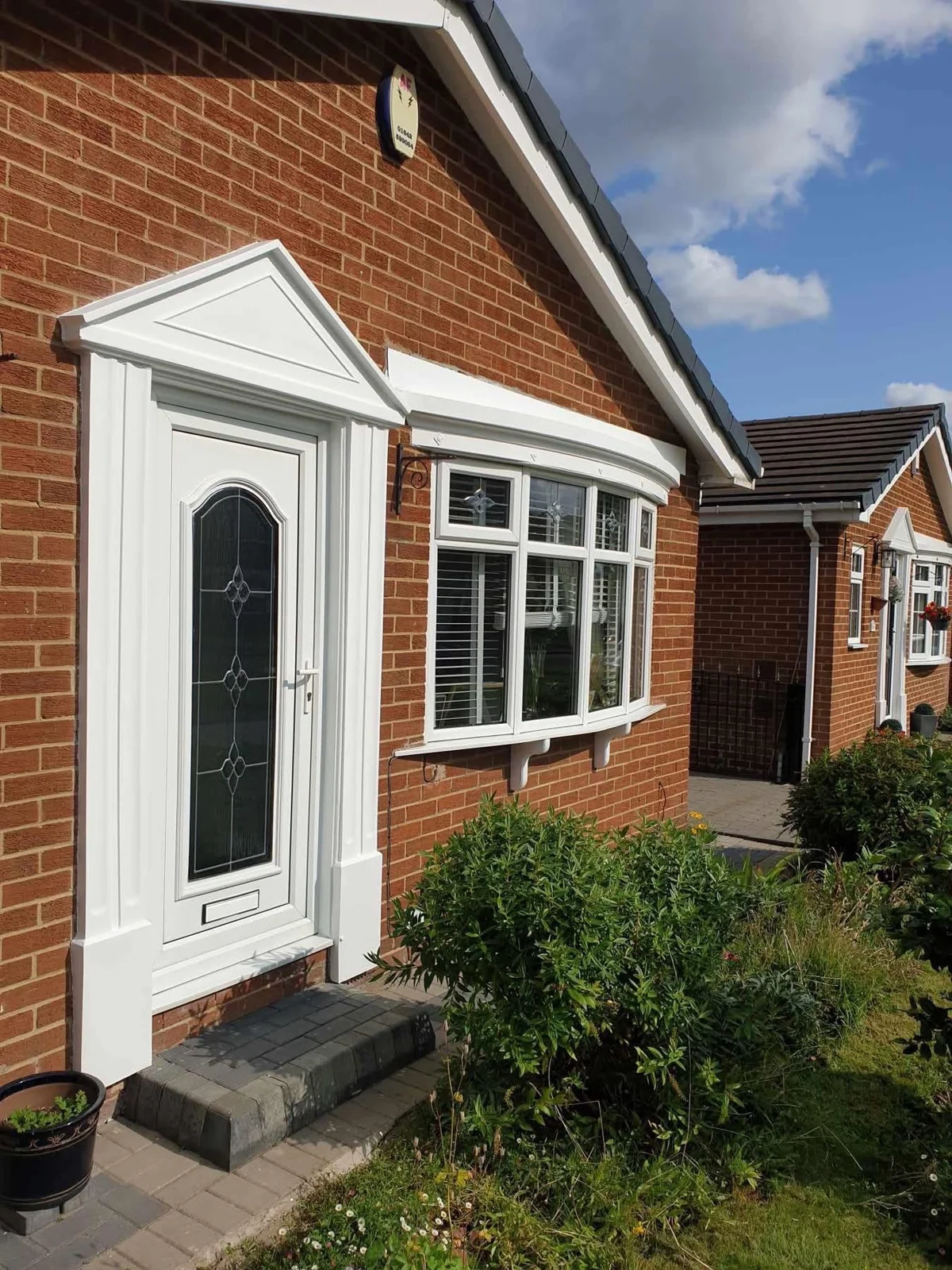
Browse the full project gallery for more preparation and finished-work photographs.
A newly papered wall can make an older ceiling or worn frame appear more tired than before. That does not mean every surface must change, but it is sensible to look at the full room before setting the scope. Decide which elements will be refreshed and which are deliberately retained. A clear plan avoids reaching the end of the project and realising that an important strip, door or ceiling was never included.
For trim, record doors, frames, skirting and window boards separately. Both sides of a door may connect different rooms and colour schemes. If new handles or other fittings are planned, mention them before preparation so old holes or changed positions can be addressed appropriately. The material and current coating determine the preparation required; a fresh topcoat alone is not a solution for every worn or poorly adhering finish.
Agree a sequence that protects completed work. Dusty preparation is best considered before delicate decorative surfaces are finished, and newly coated trim needs appropriate handling and care. Product drying and curing requirements should guide reinstatement of furnishings and everyday use. The complete effect comes from the relationship between the paper, painted surfaces and practical workmanship, rather than from the wallpaper design alone.
If the layout works and the furniture is staying, decoration can still change the atmosphere substantially. Begin by deciding what should become the focal point. It might be an existing fireplace, a piece of artwork or a fitted unit. The wall scheme can support that feature instead of competing with it. Photographs of the whole room help explain the intended relationship more effectively than a close-up of a single paint sample.
Identify surfaces that should remain unpainted. Timber, stone, metal and existing decorative finishes need clear instructions, especially if nearby walls and trim are changing. If a feature itself needs repair or specialist treatment, discuss that separately. A decorating quotation should not be assumed to cover every form of restoration simply because the item is within the room.
For walls and ceilings, point out old repairs, cracks, stains and areas hidden by furniture. The scope should reflect the actual condition and desired improvement. Choosing a colour early can be enjoyable, but the preparation still determines whether the finish has a suitable base. A well-planned refresh retains what is useful, changes what matters and avoids adding unnecessary work solely because the room is being decorated.
A bedroom project becomes easier to plan when its main function is clear. A room used every night needs a realistic temporary sleeping arrangement, while a spare room may provide more flexibility. If it also stores belongings or serves as an office, explain that. Access, clearing and ventilation can affect the practical programme even when the decorative scheme itself is simple.
Consider the furniture position before choosing a feature wall. A bedhead, wardrobe or shelving system may cover much of the area that first appears available. If fitted furniture remains, agree which surfaces can be reached and what will be excluded. Removable shelves or wall fittings may leave fixings and patches that need preparation, so decide who handles them and when.
For a lasting scheme, compare colours with curtains, bedding and the floor rather than judge them under one light at one time. If you expect those furnishings to change, gather representative samples of the intended materials. Final references and finish levels should be written down. This makes ordering and application clearer and provides useful information for maintenance, instead of leaving the choice as an imprecise description that could mean several different shades.
A colour change can draw attention to surface defects that were previously overlooked. Light across a wall can reveal ridges, patches and old filling, while a newly painted frame can highlight chips in adjacent trim. Point out the defects that concern you during assessment and discuss the level of improvement you expect. It is better to agree preparation openly than assume a final coat will remove every irregularity.
The surface preparation service can be discussed where walls need correction before decoration. Small repairs, extensive unevenness and an active underlying problem are different starting points. Moisture, continuing movement or significant damaged material may require another repair or investigation before finishing is appropriate. Tell Matthew what has been attempted previously and whether the issue returns.
If old paper is being stripped, the full condition may not be apparent until it is removed. Agree how newly exposed defects will be reviewed and how additional work will be authorised. This allows the programme and quotation to respond to the actual surface rather than rely on an unrealistic promise about concealed areas. The finished scheme should rest on suitable preparation, with the scope and its limits clear to everyone involved.
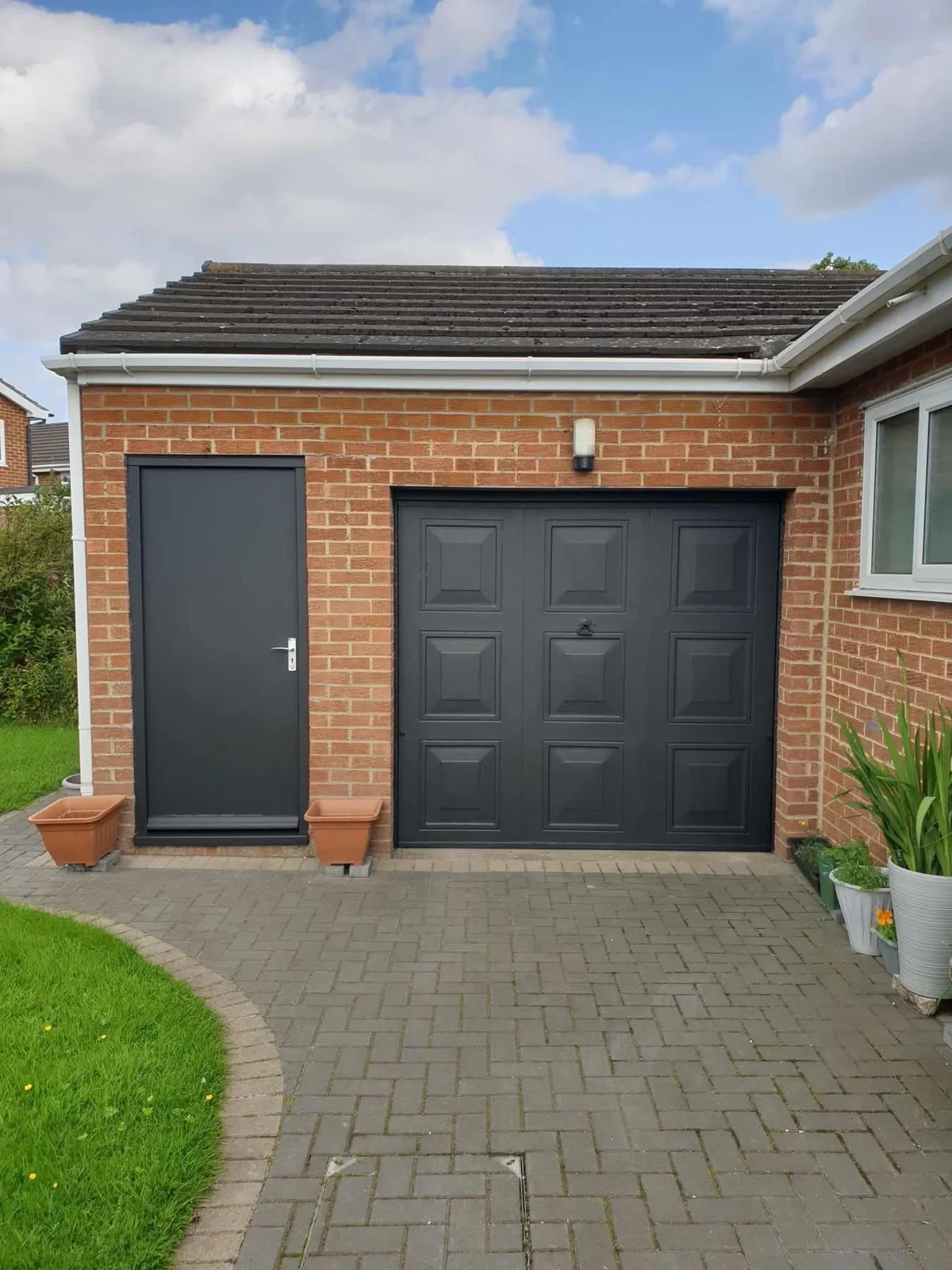

Browse the full project gallery for more preparation and finished-work photographs.
A useful cabinet or cupboard may look dated because of its finish rather than its layout. A colour change can be discussed where the material and existing coating are suitable. Send photographs of the entire unit, representative fronts and any damaged edges. Explain what you know about the material, but do not worry if you need help identifying the relevant questions for an assessment.
For a kitchen, distinguish doors, drawer fronts, end panels, plinths and internal surfaces. A request to change the cabinets can mean different scopes, and visible parts left in an old colour may affect the overall result. Peeling, swelling and failed components need consideration before a decorative method is agreed. A coating should not be expected to repair a physically unsound part.
Matthew can discuss kitchen cabinet resprays and selected spray finishes according to suitability. The practical plan should include clearing, protection, household access and early care. If hardware positions are changing, mention that before preparation. Compare colour samples with retained worktops, tiles and flooring so the proposed finish supports the whole room rather than solving one visual issue while creating another.
An occupied home and an empty property offer different working arrangements, but neither should be assumed from a brief enquiry. Explain who will use the space, which routes must remain available and what will be cleared before work begins. If the property is empty, confirm access arrangements and any other contractors who may enter during the programme. Unplanned overlap can disturb preparation and damage new finishes.
Where the house remains occupied, agree a safe place for belongings and a plan for heavy furniture. Personal items, textiles and fragile objects should be accounted for rather than simply covered and forgotten. Protection needs to include the route to the room and retained finishes such as flooring. If several rooms are involved, decide the order based on access and household priorities as well as the decorative sequence.
If you are arranging work for a rented property, clarify permission, responsibility and the agreed specification with the relevant owner or manager. Do not assume a tenant’s preferred colour automatically forms an authorised scope. Matthew’s quotation can describe the decorating work, but the necessary arrangements between the people responsible for the property should be settled separately before the work is treated as ready to proceed.
A clear enquiry includes your Brotton postcode, the rooms or external surfaces involved, photographs and an outline of the present condition. State whether old wallpaper needs removing, whether ceilings and woodwork are included and whether the property will be occupied. Mention intended repairs, new fittings and timing requirements. This is enough to make the first discussion productive without turning it into a technical document.
Keep a labelled sample or clear product reference for the chosen wallpaper as well as the colour information for the painted areas. If the paper is ordered separately from the quotation, check that the delivered design, batch and quantity match what was discussed. Open questions about shortages or an altered product are easier to resolve before the room is prepared for hanging. Explain any substitution rather than assume a similar-looking design has identical instructions or repeats. A small amount of organisation at ordering stage can protect the overall sequence and prevent an avoidable pause once the work is underway.
The quotation should make the boundaries understandable. Preparation, materials, included surfaces and excluded repairs all affect the work. If you compare proposals, compare those details rather than only the final figure. A walls-only repaint and a room involving stripping, ceiling work and several doors are not equivalent scopes, even if both are described informally as decorating a bedroom.
Browse Matthew’s project photographs to help explain the style or finish you like. They represent his portfolio rather than a claim that each photograph comes from Brotton. Call 07763 095929 or email info@mrdecorteesside.co.uk to discuss your own property. Suitability, availability and the final method can then be considered in order, with a clear understanding of the job rather than an assumption based only on a room name.
YOUR BROTTON PROJECT
Project-specific advice starts with the actual surfaces, access and finish you have in mind.
Look at the main view, furniture position and interruptions such as doors or windows. The best choice is the one that supports the room rather than follows a rule from another layout. Consider how much of the wall remains visible once furniture is returned. A sample or paper design should be assessed in that context before the final scope and material quantities are agreed.
They can, but compare the patterns, colours and scale through the connecting doorway. Decide whether you want continuity or a deliberate change. Keep the surrounding trim and floors in mind, and avoid judging each paper only from a separate photograph. The wall condition and hanging requirements still need assessment for each room, even where the designs are from the same collection.
Not necessarily. Roll width, pattern repeat, drop length and trimming affect the usable material, even on a modest wall. Provide the product details and room measurements as background information, then discuss the allowance before ordering. Matching batches and the availability of spare material are also worth considering. Nominal coverage alone does not establish a reliable quantity for every layout.
That can be discussed as a clear boundary, subject to its condition and the protection needed. Look at the ceiling beside the proposed new finish before deciding, because the contrast may make an older colour more noticeable. State whether cornice or other details are included. The quotation should reflect the intended surfaces rather than assume a whole-room repaint.
The person commissioning the work should establish permission, access, the agreed colours and the surfaces included. If someone occupies the property, practical arrangements and communication need attention as well. A decorator can quote for the proposed work, but ownership or tenancy responsibilities are separate matters. Provide a clear authorised brief so the scope does not depend on conflicting assumptions.
A coordinated colour can be considered, but the unit material and existing finish determine whether a new coating is suitable. Compare samples with the paper and retained room materials, recognising that sheen can affect the perceived match. Send photographs of the unit and defects before a method is agreed. Protection, clearing and curing arrangements are part of the project too.
It is useful to show the present condition and explain which fittings will be removed or replaced. Covering defects immediately beforehand can make the initial scope less clear. Agree the preparation as part of the quotation, including any changes to hardware or shelving. Some repairs are straightforward, while others may reveal a different substrate or need additional attention once exposed.
Separate stages can be discussed with availability confirmed for each. Keep exact colour and product records so the later decisions have a clear reference. Consider storage, access and how the rooms connect before starting the first phase. Repeated set-up can affect the overall work, so compare the practical benefits of staging with the implications for the complete project.
EXPLORE NEARBY
Compare decorating services, read customer feedback, or view Matthew’s project gallery.
FIND YOUR AREA
Explore town, village and neighbourhood guides. Confirm your postcode and the work required when asking about a visit.
LET’S PLAN YOUR PROJECT
Send the rooms or surfaces involved, your postcode and preferred timing. Matthew can then discuss the next step towards a free, no-obligation quotation.
Request your free quoteKIND WORDS. BEAUTIFUL HOMES.
★★★★★ 5.0 on Google · 19 reviews
We recently had Matt from Attention to Detail complete work on our hallway and staircase, and we honestly couldn’t be happier with the results.…Read reviews on Google ↗
Attention to Detail is certainly Matt. He has decorated my hall/stairs, lounge and kitchen. I could not fault his work and professionalism.Read reviews on Google ↗
Matt recently decorated our new interior doors, architraves and door frames, and the standard of his work was outstanding.Read reviews on Google ↗
Matt goes above and beyond and his attention to detail literally is perfection!Read reviews on Google ↗
We had Mathew of ATD (Attention to Detail decorating) to prepare and decorate our hall, stairs, and landing, as well as our large front…Read reviews on Google ↗
Matt I cannot recommend enough the name says it all, attention to detail to a fine T!Read reviews on Google ↗
Matthew has done 5 rooms in total for me, he worked above and beyond to perfection. He is very professional.Read reviews on Google ↗
We have used Matthew a few times for different rooms and houses.Read reviews on Google ↗
Matt totally transformed my living room after I had a media wall built.Read reviews on Google ↗
Amazing and Professional from start to finish!Read reviews on Google ↗
Have had Matthew from Attention to Detail in to paint our bathroom and he did an amazing job.Read reviews on Google ↗
I’ve used Matt a couple of times for work in my house, and not once did he let me down even at short notice.…Read reviews on Google ↗
I have used Attention to detail a number of times and Matty has almost decorated my whole house plus frenchic’d some furniture for me.…Read reviews on Google ↗
Excellent service and excellent job completed. Matt certainly lives up to his company name with attention to detail and a high standard of work.Read reviews on Google ↗
This is the second time I have used ATD, and for an even bigger job.Read reviews on Google ↗
Matt decorated all of my bungalow, excellent work very professional would highly recommend himRead reviews on Google ↗
Used ATD recently to redecorate my hall,stairs, and landing, I would recommend this lad anytime he's very thorough clean and tidy worker above all…Read reviews on Google ↗
Excellent service, very professional, went the extra mile. Lovely guy 👍Read reviews on Google ↗
Matt has just painted our media wall for us and did a fantastic job.Read reviews on Google ↗