
Kirsty Littlefair
Google review★★★★★
We recently had Matt from Attention to Detail complete work on our hallway and staircase, and we honestly couldn’t be happier with the results.…Read reviews on Google ↗
MATTHEW ROBINSON PAINTING & DECORATING
Painting and decorating enquiries in Thornaby. Practical decorating for busy homes, halls, stairs and rental refreshes. Call Matthew Robinson on 07763 095929 for a free quotation.
Tell Matthew your postcode and project details so coverage, suitability and availability can be confirmed.

A decorating project in Thornaby often begins with a practical problem: a hallway that never looks clean, doors with years of knocks or rooms that no longer work together after an extension. Matthew Robinson Painting & Decorating welcomes enquiries for those everyday improvements as well as larger changes. The first task is to understand how the property is used and what a successful result means to you. That might be a calmer bedroom, a more robust downstairs finish or a coordinated refresh before moving furniture back into an empty house.
Thornaby includes different neighbourhoods and property settings. Stockton Council’s community information names Mandale and Victoria, Stainsby Hill and Village, illustrating why a town-wide label is not enough to specify a job. State your postcode and describe the actual surfaces rather than relying on the age or style of neighbouring homes. An established house can contain brand-new plaster, while a recent property may already have several incompatible paint layers. A useful decorating plan responds to that evidence and gives preparation the same attention as the final colour.
When time or budget is limited, rank rooms by the effect they have on daily life. A narrow entrance or landing may need earlier attention than a spare room because everybody passes through it. On the other hand, finishing a bedroom first may create a clean space for belongings while the rest of the house is prepared. There is no single best order for every Thornaby home. Explain which spaces must remain accessible, which furniture can move and whether you need the work split into stages.
For each stage, list the surfaces included and the ones excluded. A kitchen ceiling, stair rail or door back can be overlooked when an enquiry is described simply as downstairs decorating. If another trade is repairing plaster or fitting flooring, share that programme too. Decorating should follow a workable sequence rather than become the buffer for every late decision. Matthew can discuss the proposed work once the relevant information is available, but start dates, duration and access arrangements need confirming for your project rather than being assumed from a generic room count.
Halls take an unusual mixture of wear: bags brushing corners, hands touching doorframes, shoes against skirting and furniture being carried upstairs. A fresh wall colour is only one part of the improvement. Identify damaged corners, scuffed doors and areas where previous patching shows through. Decide whether the quotation should cover the entrance, stairwell and landing together or stop at an agreed boundary. That boundary should be visible and sensible so the new work does not end unexpectedly in the middle of a connected wall.
The paint specification should reflect use without promising an indestructible surface. A suitable cleanable coating can help with maintenance, but it still needs stable preparation and appropriate care after curing. For interior painting on stairs, working height and the shape of the space affect access as well as time. Send wide photographs from the foot and head of the stairs where safe, together with close-ups of defects. Mention lighting that grazes the wall because this can make small ridges and uneven repairs more noticeable after decoration.

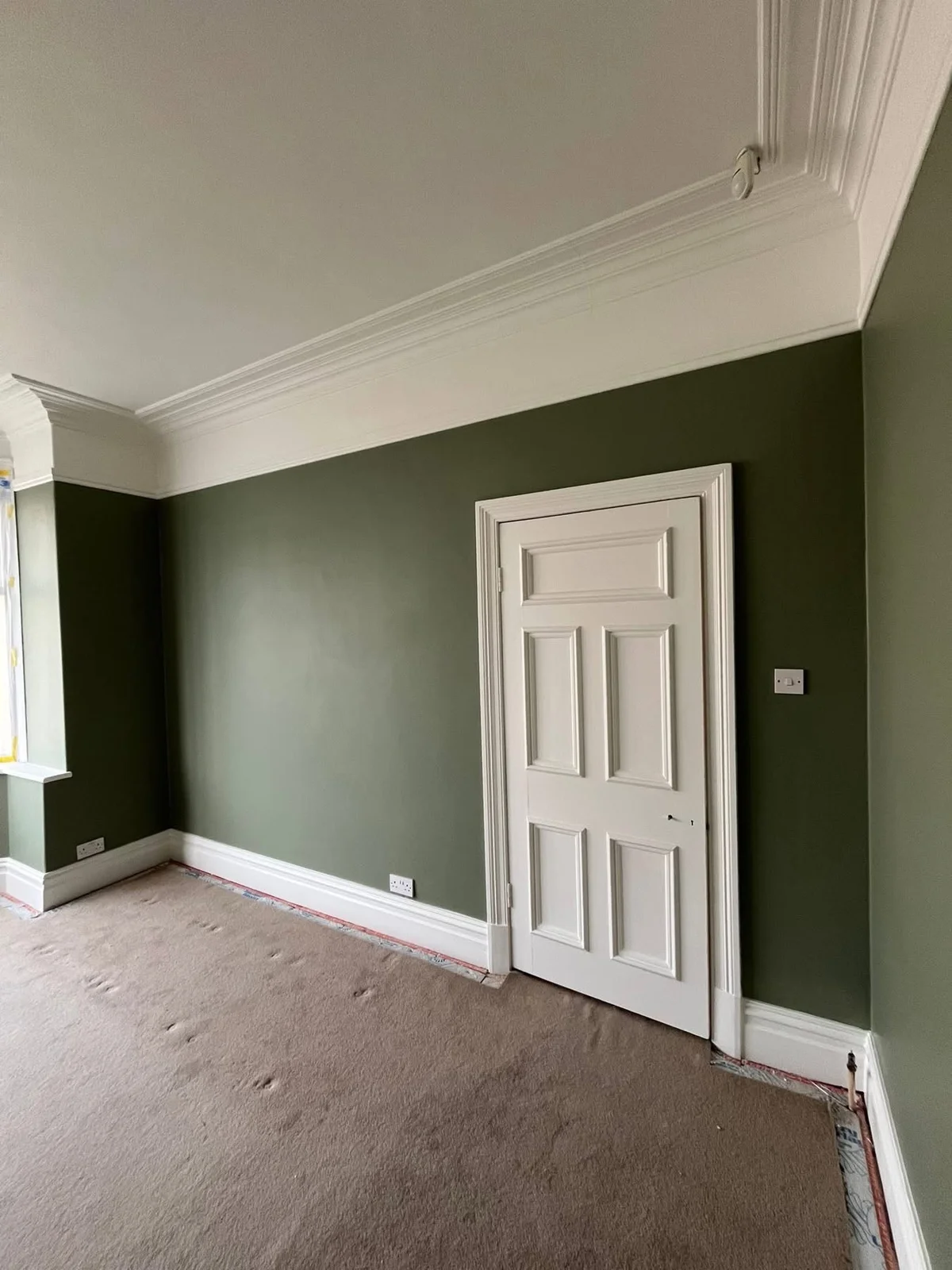
Browse the full project gallery for more preparation and finished-work photographs.
Older paint is not automatically unsound, and newer paint is not automatically a good base. Look for peeling edges, shiny patches, powdery areas and repairs with a different texture. The appropriate response may involve cleaning, removing loose material, filling, abrasion or priming, depending on the substrate and coating. A previous finish that comes away under light pressure is not made stable by putting a stronger-looking topcoat over it. Describe any earlier failure rather than hiding the evidence before an assessment.
Where paper has been stripped, residual paste and torn wall surfaces can create problems that are not obvious from a distance. Surface preparation and wall correction should be discussed as part of the job, not an optional surprise after colours have been chosen. If stains return or a crack keeps reopening, investigate the cause before committing to a cosmetic solution. Some conditions need another specialist. The useful distinction is between an imperfection that decorating can address and an active problem that will continue to damage whatever finish is applied next.
A new wall scheme can make old woodwork appear more yellow or uneven than it did before. In a Thornaby home with several rooms opening onto one hallway, compare the doors, frames and skirting as a group. You do not necessarily need to repaint everything, but decide deliberately where the scope stops. Include both sides of a door only if both are intended. Door edges, frames and fitted architraves also deserve their own description rather than being treated as one indistinct item.
Preparation depends on the existing coating and the condition of the joinery. Grease around handles, worn corners and old gloss need different attention from clean bare timber. Protecting hinges and ironmongery should form part of the agreed approach. Discuss any planned handle changes early because a new fitting can expose old holes or an unpainted footprint. If doors are being replaced or adjusted, complete that work before the final decorative finish where possible. A smooth visual result is easier to achieve when fitting and finishing are planned together instead of repeatedly disturbing one another.
A sample that looks warm beside the window can appear dull on the landing or more intense under an evening lamp. Evaluate shortlisted colours in the actual rooms and beside the fixed elements you are keeping. Flooring, worktops, large furniture and curtains can all affect the impression. If the hallway connects several different rooms, examine the view through the doorways rather than treating each wall as an isolated design exercise. You are choosing a lived-in combination, not a set of paint names.
Larger samples can be useful, provided their preparation and number of coats allow a fair comparison. Do not judge a translucent first coat as the final shade. Also consider sheen and texture: a darker colour may make some surface defects more apparent, particularly where strong light travels across the wall. Matthew can discuss the surfaces and proposed finishes while you make your final selection. Keep a written record of what is agreed and when the colour must be confirmed, especially if several rooms or different products are involved in the same project.
For landlords or tenants arranging permitted work in Thornaby, the brief needs clarity about responsibility as well as appearance. Confirm who is instructing the decorator and which changes the owner has authorised. If the property will be empty between tenancies, give the actual access period and any other work taking place. Cleaning, repair inspections, flooring and decorating can compete for the same space. A rushed handover is not a reason to apply paint over damp, unstable coatings or damage that has not been assessed.
A practical rental refresh can focus on consistent colours, appropriate durability and a clear record of the products used. Identify stains and holes that need preparation rather than describing every wall as a simple recoat. Photographs can help establish the condition at enquiry stage, though the final scope may require a visit. Do not assume a universal turnaround time from the number of bedrooms. The condition of ceilings and woodwork, furniture left in place and the size of colour changes can matter more than the headline room count.

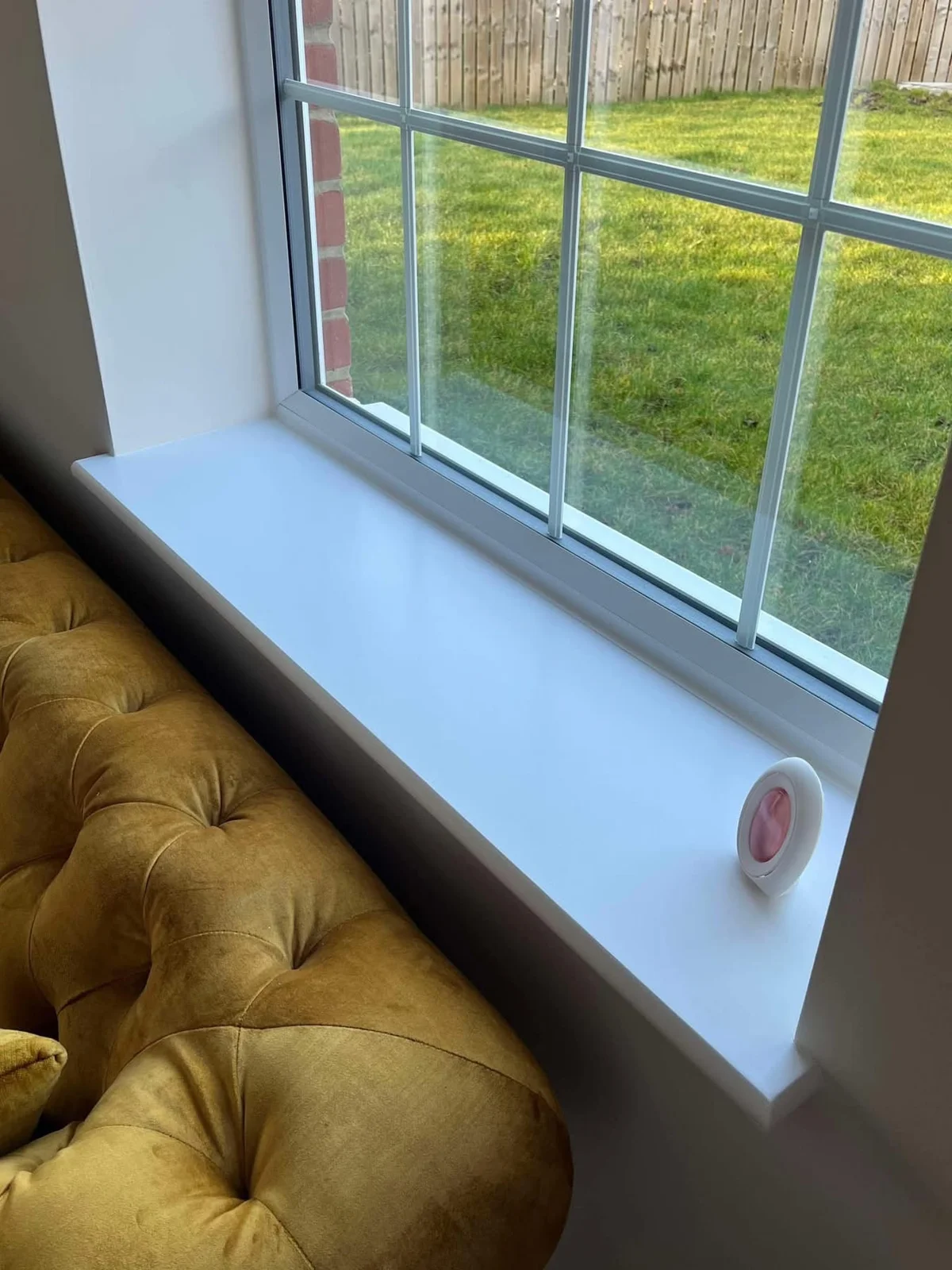
Browse the full project gallery for more preparation and finished-work photographs.
Wallpaper can give a bedroom or lounge a clear focal point without changing every surface in the house. Before buying rolls, decide where the design starts and stops and how it should relate to the room’s strongest feature. A chimney breast, alcove, door opening or sloping ceiling may affect the pattern layout and quantity. Share the actual hanging instructions and pattern repeat when asking about wallpapering. Measurements and product information are more useful than a photograph of the design alone.
The substrate must be considered independently of the paper’s thickness. A heavy texture does not make an unstable wall suitable, and a smooth paper can highlight poorly prepared areas. If stripping is needed, explain whether there are several existing layers or whether the wall condition underneath is unknown. Discuss lining and any repair requirements after assessment. Wallpaper and adjacent painting should follow an agreed sequence, allowing preparation and drying to take place properly. That reduces the risk of making a rushed design decision simply because the room has already been cleared.
Spray application may suit selected cabinet fronts or built-in furniture, but the object needs to be sound and suitable for the proposed system. Ask about the material, existing coating and damaged areas before focusing on the desired colour. A kitchen door with swelling at an edge or a lifting surface covering is different from a stable painted panel. Photos of hinges, backs, corners and exposed end panels give Matthew a fuller picture than a single wide kitchen photograph.
The quotation should identify the components included and the approach to hardware, protection and working access. For kitchen cabinet resprays, ask how normal kitchen use needs to change during the work and what handling advice applies afterwards. For other spray painting, describe the particular piece and surrounding room. Application method should follow suitability and the intended finish. It should not be assumed to remove preparation or make every job faster once masking, cleaning and drying stages are taken into account.
Peeling exterior paint can have several causes, including a weak earlier coating, weathering, moisture or a problem with the underlying material. The first conversation should describe where the failure occurs and whether it returns after repainting. Do not treat all elevations on a Thornaby house as identical: shade, exposure and nearby planting can affect conditions at the surface. Identify any damaged timber or repair work that needs attention before the decorative system is chosen.
For exterior decorating, confirm which walls, doors or other joinery are included and how safe access will be arranged. Provide details of side passages, shared entrances and parking restrictions. Application dates need to suit the product instructions and weather, including the period after the final coat. If gutters, roofing or windows are being repaired, coordinate those tasks first where possible. A good project sequence avoids putting a fresh finish in the path of another trade and keeps the purpose of the work clear: preparation and a suitable coating, not concealment of an unresolved defect.
A concise enquiry can still contain everything needed to begin. Give the postcode, rooms, surfaces, approximate size and preferred period, then add photographs of any trouble spots. Explain whether the property is occupied, empty or changing tenants and who can arrange access. Mention wallpaper already purchased and any firm deadlines before a quotation is prepared. This lets Matthew discuss the real constraints rather than estimate around missing information.
Call 07763 095929 or use the contact form for a free, no-obligation quotation. The project gallery provides examples of preparation and finished work that can help explain your preferences. Those photographs are not a claim that every style or method is suitable for every Thornaby property. Your own surfaces, expectations and working arrangements remain the basis for the proposed job. Ask for any unclear boundary to be explained before accepting the scope, and discuss later changes before extra work begins.
YOUR THORNABY PROJECT
Project-specific advice starts with the actual surfaces, access and finish you have in mind.
Usually the scope can be limited to the hallway, but the stopping points should be agreed. Doorframes, returns and continuous ceilings may connect visually with other rooms. Ask which sides of doors and frames are included. A clear surface list prevents the finished area from ending somewhere neither you nor the decorator expected.
No coating should be treated as immune to damage. The relevant questions are how the specified product is designed to perform, how it should be cleaned and how long it needs to cure. Good preparation remains essential. Discuss the actual wear in your household rather than relying on a durability label alone.
It is often more useful to leave the defects visible for assessment. Different fillers, deep holes and poorly feathered patches can behave differently under paint. If you have already repaired areas, explain what was used and when. Agree who is responsible for remaining preparation so both parties understand the starting condition.
You can enquire about work during an empty period. Give the real access dates, other trades involved and whether cleaning or repairs are complete. Availability must be confirmed directly. Preparation, drying and the actual condition of the property determine the programme, so a fixed handover date should be discussed before booking.
You can start the quotation discussion with an outline of the rooms and desired finish. Confirm when colours and products must be finalised before work starts. Significant changes, such as moving from a pale refresh to a deep feature colour, may affect materials or application. Tell Matthew about such changes promptly.
Yes. Material, construction, condition and existing coatings all influence suitability. A coating cannot repair swelling, loose joints or a failing surface layer. Send photographs of damaged corners and door edges as well as the fronts. Matthew can discuss assessment and whether decorative work is appropriate before a colour is selected.
Discuss the household before the programme is agreed. Working areas, wet coatings, equipment and ventilation need managing, and pets should not enter preparation or application spaces. A phased plan may be possible, but suitability depends on the job. Do not assume every room can remain in normal use throughout.
Share the wall measurements, pattern repeat and product instructions before ordering. Openings and the preferred pattern layout affect trimming and waste. Matching batches also matter. Ask for the quantity to be checked for the actual room rather than converting wall area into rolls without allowing for how the design will hang.
Only if those repairs are expressly included and appropriate to the agreed work. Significant decay or joinery defects may need another specialist before painting. Describe damage and recurring failure when enquiring. A quotation should distinguish preparation for painting from structural or replacement work, avoiding the assumption that all repairs are covered.
Check the surfaces, preparation, products, number of relevant stages and working arrangements each quote covers. A low figure may describe a smaller scope rather than the same job at a lower rate. Ask about exclusions, material responsibility and changes before accepting. Use the written specification as the basis for comparison.
EXPLORE NEARBY
Compare decorating services, read customer feedback, or view Matthew’s project gallery.
FIND YOUR AREA
Explore town, village and neighbourhood guides. Confirm your postcode and the work required when asking about a visit.
LET’S PLAN YOUR PROJECT
Send the rooms or surfaces involved, your postcode and preferred timing. Matthew can then discuss the next step towards a free, no-obligation quotation.
Request your free quoteKIND WORDS. BEAUTIFUL HOMES.
★★★★★ 5.0 on Google · 19 reviews
We recently had Matt from Attention to Detail complete work on our hallway and staircase, and we honestly couldn’t be happier with the results.…Read reviews on Google ↗
Attention to Detail is certainly Matt. He has decorated my hall/stairs, lounge and kitchen. I could not fault his work and professionalism.Read reviews on Google ↗
Matt recently decorated our new interior doors, architraves and door frames, and the standard of his work was outstanding.Read reviews on Google ↗
Matt goes above and beyond and his attention to detail literally is perfection!Read reviews on Google ↗
We had Mathew of ATD (Attention to Detail decorating) to prepare and decorate our hall, stairs, and landing, as well as our large front…Read reviews on Google ↗
Matt I cannot recommend enough the name says it all, attention to detail to a fine T!Read reviews on Google ↗
Matthew has done 5 rooms in total for me, he worked above and beyond to perfection. He is very professional.Read reviews on Google ↗
We have used Matthew a few times for different rooms and houses.Read reviews on Google ↗
Matt totally transformed my living room after I had a media wall built.Read reviews on Google ↗
Amazing and Professional from start to finish!Read reviews on Google ↗
Have had Matthew from Attention to Detail in to paint our bathroom and he did an amazing job.Read reviews on Google ↗
I’ve used Matt a couple of times for work in my house, and not once did he let me down even at short notice.…Read reviews on Google ↗
I have used Attention to detail a number of times and Matty has almost decorated my whole house plus frenchic’d some furniture for me.…Read reviews on Google ↗
Excellent service and excellent job completed. Matt certainly lives up to his company name with attention to detail and a high standard of work.Read reviews on Google ↗
This is the second time I have used ATD, and for an even bigger job.Read reviews on Google ↗
Matt decorated all of my bungalow, excellent work very professional would highly recommend himRead reviews on Google ↗
Used ATD recently to redecorate my hall,stairs, and landing, I would recommend this lad anytime he's very thorough clean and tidy worker above all…Read reviews on Google ↗
Excellent service, very professional, went the extra mile. Lovely guy 👍Read reviews on Google ↗
Matt has just painted our media wall for us and did a fantastic job.Read reviews on Google ↗