
Kirsty Littlefair
Google review★★★★★
We recently had Matt from Attention to Detail complete work on our hallway and staircase, and we honestly couldn’t be happier with the results.…Read reviews on Google ↗
MATTHEW ROBINSON PAINTING & DECORATING
Discuss painting, wallpapering, woodwork and decorating in Fairfield with Matthew Robinson Painting & Decorating. Request a free project quotation.
Tell Matthew your postcode and project details so coverage, suitability and availability can be confirmed.

For many households the challenge is not finding a colour they like, but fitting decorating around everyday life. Matthew Robinson Painting & Decorating welcomes Fairfield enquiries for room refreshes, woodwork, wallpapering, suitable spray work and exterior finishes. Describe the rooms involved, the condition of existing decoration and the times when access matters. That gives a more useful basis for a free quotation than a broad request to paint the house.
Fairfield is identified as an area of Stockton-on-Tees in the council’s ward information. This page is intended for people arranging work there; it does not assume that every Fairfield property has the same layout, materials or age. A single bedroom and a busy family hallway need different planning. Send your postcode with your enquiry so the project, travel and current availability can be considered. The guidance below concentrates on making occupied-home decorating manageable from the first survey to the moment furniture goes back.
The kitchen, main bedroom and hall are often harder to take out of use than a spare room. Put those practical constraints at the centre of the brief. If a bedroom must be available each night, or someone needs a clear route to a downstairs bathroom, explain that before agreeing a programme. The work still needs suitable preparation and drying time; the solution is usually a considered sequence, not skipping a necessary stage.
List the rooms in order of priority and say why that order matters. A room needed for visiting family has a different deadline from a room being redecorated simply because you are ready for a change. Matthew can discuss which tasks can be grouped and which may need separate access. Leave some space between the decorating programme and deliveries of new furniture. Assuming that a wet finish can be touched, loaded or covered immediately can turn a well-planned refresh into avoidable remedial work.
An attractive colour still needs an appropriate coating behind it. Think about where hands touch the wall, whether furniture regularly rubs against it and how often marks need cleaning. A busy route from the garden may call for a different finish from a quiet sitting room. Discuss cleanability and sheen together. A highly polished appearance is not the only way to achieve a practical surface, but no finish should be described as immune to damage.
When asking about interior painting, identify the walls rather than only the room size. Tall ceilings, numerous openings and detailed edges affect the work. If you are choosing a dark shade, sample it across different light conditions and be prepared for existing surface defects to become more noticeable. A softer colour is not a substitute for preparation either. Explain the look you want and let the surface assessment inform the coating system, so appearance and day-to-day use are considered as a single decision.

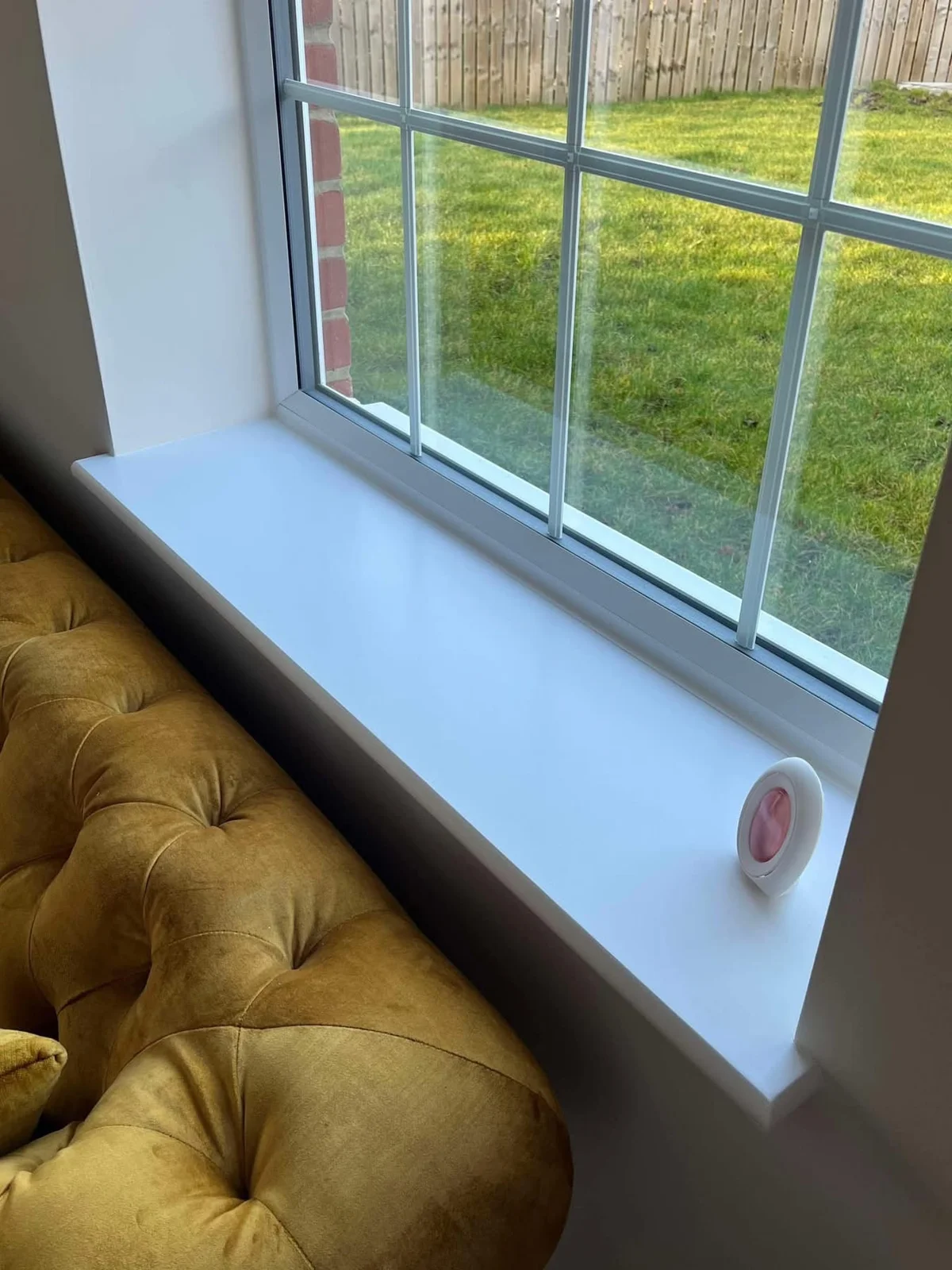
Browse the full project gallery for more preparation and finished-work photographs.
Before you pack boxes, agree where the working space will be and how furniture is to be handled. Moving everything from one room into the next can block the very area scheduled for the following stage. A simple room-by-room plan avoids this. Clear loose belongings first, keep useful items separate and identify fragile or unusually heavy pieces that need special arrangements. Do not assume that moving a large wardrobe, disconnecting equipment or removing fixed fittings is included.
Protecting floors and furniture is an important part of the discussion, but protection works best when the room is sensibly prepared. Trailing cables, crowded corners and overloaded shelves make access more difficult. Take photographs of complex arrangements before dismantling them if that helps you put the room back. Keep the everyday essentials available outside the work area. Matthew can discuss practical access as part of the project; letting him know how you live in the house makes that discussion far more useful than trying to conceal every inconvenience until work begins.
Ceiling marks are easy to overlook while concentrating on wall colour. Look upward before deciding that the project is walls only. Old water stains, uneven patches around light fittings and cracks beside a wall junction can become more obvious once everything below them is fresh. Say whether the ceiling is included, whether fittings are changing and whether there has been any recent plaster work. Electrical changes should be coordinated with the appropriate trade before the finishing work.
A ceiling stain needs an explanation, especially if it has returned after previous decoration. Decoration can address a suitable surface after the underlying cause has been resolved; it cannot diagnose or cure an active leak. Equally, broad areas of uneven plaster should not automatically be priced as small filling jobs. The surface preparation conversation is the right place to distinguish ordinary defects from work needing more investigation. Clear decisions here reduce the risk of comparing quotations that appear similar but allow for very different amounts of preparation.
Frequently used woodwork tends to show wear at particular points: beside handles, near the bottom of doors and around corners where furniture passes. Photograph those areas and mention any sticking doors or damaged edges. A fresh coating may improve a sound surface, but it does not replace carpentry where parts are loose or deteriorating. Decide whether the quotation should include all the trim in a room or selected items only.
When several rooms share the same trim colour, keep a record of the chosen product and sheen. This is more reliable than asking for the same white without identifying which white was used. Drying arrangements also deserve attention. Doors need to function, but their new coating needs time before repeated contact or tight closing. Discuss the practical sequence with Matthew, particularly where pets or young children may pass through the work area. Good planning creates a workable route through the home while giving the finish the conditions it needs.
A feature wall can be painted or papered, but its position should be chosen with the finished room in mind. The wall that looks empty today may soon hold a large unit, television or shelving. Put the intended furniture arrangement on paper before committing to a pattern or strong colour. Think about sockets, radiators, curtains and the view from the doorway. A feature that is interrupted by several unrelated items can feel less intentional than the original sample suggested.
For wallpapering, share the actual product and hanging instructions. Pattern repeat, trimming and matching influence quantities, so avoid buying solely by floor area. Existing paper removal may reveal repairs that need agreement before hanging. If the feature is painted instead, discuss the edges and junctions that define it. Both approaches depend on a suitable base. A decorative surface is most convincing when it fits the room’s proportions and use, rather than being expected to distract from unresolved surface problems or an uncertain furniture layout.

Browse the full project gallery for more preparation and finished-work photographs.
A kitchen refresh can range from painting the surrounding room to assessing a complete cabinet colour change. These should be described separately. Walls and ceilings may be suitable for straightforward redecoration while cabinet doors need a more detailed check of materials, adhesion and existing wear. For cabinet resprays, include photographs of peeling corners, frequently handled edges and any surfaces affected by grease or cleaning products.
Think through the practical consequences of the work before selecting a colour. Access to food preparation, handles, hinges and appliances may need discussion. If you intend to fit new handles, share the details before the preparation is agreed. A different fixing pattern may create additional work. Spray application is not automatically suitable for every item, and spray painting still depends on cleaning, masking, substrate condition and a compatible coating. The aim is a suitable method for the actual kitchen, with sensible arrangements for use while the work and subsequent curing take place.
Decorating often happens at the end of a wider improvement project, when everyone is keen to finish. Resist the temptation to start final decoration while intrusive work is still expected. Chasing cables, moving radiators, replacing windows and altering joinery can damage completed finishes. Tell Matthew what is outstanding and who is responsible for it. A realistic start depends on the surfaces and access being ready, not simply the arrival of a date in the diary.
Recent plaster and repairs also need to be suitable for their next coating. Do not assume that a surface is ready because it looks pale or feels dry in one place. The materials and conditions matter. If new flooring is planned, agree the sequence between the relevant trades, including how the existing and new surfaces will be protected. Keeping a short written scope is useful when several people are involved. It makes it easier to identify changes and avoids asking the decorator to finish around work that is likely to be disturbed again.
A few agreed arrangements can prevent small frustrations from accumulating. Identify the entrance to be used, where materials can be kept and which route must remain clear. Make sure the people in the household know which rooms are being worked on and the practical restrictions that have been discussed. Where pets are present, arrange somewhere suitable for them away from the active work area. These are ordinary planning points, but they matter more than trying to organise everything while the first surface is already being prepared.
Remove small personal items, loose clothing and ornaments from the agreed areas. If the walls carry important photographs or artwork, decide whether the same fixings will be used again. Marking future positions in a simple room plan can be more useful than leaving every old hole in place by default. Ask before removing fixtures that may affect services or require a specialist. Matthew can discuss access and preparation, while the responsibilities for moving or disconnecting particular items should be settled rather than assumed.
At the end of each phase, give newly finished surfaces the care they need. Do not press boxes against the wall simply because another room is now full. Keep sufficient space for air and normal access, follow the specific curing advice and avoid testing cleanability too soon. A phased project works best when the household plan includes the period after application as well as the days of visible work. This helps maintain the finish while the remaining rooms are completed and the furniture returns to its intended position.
Your initial message can be simple but specific: postcode, rooms, surfaces, current condition and preferred timing. Add photographs that show both the whole room and any defects. State whether ceilings, doors, frames and skirting boards are included, and mention wallpaper removal or a major colour change. Matthew can then discuss an appropriate next step and whether a visit is required. A photograph helps start the conversation but cannot always reveal how well an old coating is bonded.
Call 07763 095929 or send the details through the contact form. The gallery can help explain the type of result you like, but its photographs should not be taken as a list of Fairfield addresses. Before work starts, agree the specification, materials, access and arrangements for unexpected defects. When the work is finished, retain the paint details and follow the advice for cleaning and use. That small amount of record keeping makes future maintenance much easier.
YOUR FAIRFIELD PROJECT
Project-specific advice starts with the actual surfaces, access and finish you have in mind.
Explain your needs when arranging the quotation. Many projects can be discussed around an occupied home, but the answer depends on the rooms, access, preparation and coating. A main bedroom, kitchen or staircase may need special planning. Do not assume that each room will be usable immediately after a coat is applied. Agree a sequence and the practical limits before work is scheduled.
Tell Matthew about the route and the times it is needed. The condition of the hall, the woodwork being coated and any work at height will affect the arrangements. Keeping children and pets away from the active working area is important. A workable plan may involve particular access periods or a phased approach; it should be discussed specifically rather than left to chance on the first day.
No single finish is ideal for every surface and use. Cleaning needs, appearance, existing coatings and the chosen product all matter. A room with frequent hand contact may need a different specification from a rarely used bedroom. Ask about the practical limits of the proposed paint, and follow its cleaning guidance after curing. Washable does not mean a wall cannot be scratched, stained or damaged.
Usually the first step is to describe the room and provide useful access for assessment, rather than empty it completely. Make sure important defects are visible where possible, and identify heavy or fixed items. Before work starts, agree what will be removed, moved or protected and who will handle each task. This avoids misunderstandings about furniture movement and prevents belongings from blocking the next room in the sequence.
It is better to decide the ceiling scope at the quotation stage. Working above completed walls can create additional protection and finishing considerations, while overlooked stains or cracks may stand out beside fresh paint. Explain any planned lighting changes or recent leaks. If the ceiling is to be excluded, make that an informed choice rather than an assumption made while looking only at wall colours.
Treat them as different specifications. List walls, ceiling, doors, frames, skirting and any paper removal separately, then check which items are included in each figure. Preparation and products should also be clear. A lower total may simply cover fewer surfaces. If you need options, ask for clearly defined alternatives so the decision reflects the work you actually want rather than an unclear description of a room refresh.
Tell Matthew exactly what remains, especially dusty or intrusive work, joinery changes, plumbing alterations and electrical chasing. Nearly finished can still mean that surfaces will be disturbed. The decorating programme should account for the actual readiness of the property and materials. It is generally more useful to agree a reliable sequence than to start final finishes while essential work is still expected in the same area.
Ask for guidance based on the coating and the work completed. Dry to the touch is not necessarily fully cured, and pressure or rubbing can mark a new finish. Heavy furniture, adhesive fixings and objects resting against walls may need particular care. Keep the paint information for later maintenance, and raise any questions about cleaning or returning the room to use before assuming that every surface is ready for normal wear.
EXPLORE NEARBY
Compare decorating services, read customer feedback, or view Matthew’s project gallery.
FIND YOUR AREA
Explore town, village and neighbourhood guides. Confirm your postcode and the work required when asking about a visit.
LET’S PLAN YOUR PROJECT
Send the rooms or surfaces involved, your postcode and preferred timing. Matthew can then discuss the next step towards a free, no-obligation quotation.
Request your free quoteKIND WORDS. BEAUTIFUL HOMES.
★★★★★ 5.0 on Google · 19 reviews
We recently had Matt from Attention to Detail complete work on our hallway and staircase, and we honestly couldn’t be happier with the results.…Read reviews on Google ↗
Attention to Detail is certainly Matt. He has decorated my hall/stairs, lounge and kitchen. I could not fault his work and professionalism.Read reviews on Google ↗
Matt recently decorated our new interior doors, architraves and door frames, and the standard of his work was outstanding.Read reviews on Google ↗
Matt goes above and beyond and his attention to detail literally is perfection!Read reviews on Google ↗
We had Mathew of ATD (Attention to Detail decorating) to prepare and decorate our hall, stairs, and landing, as well as our large front…Read reviews on Google ↗
Matt I cannot recommend enough the name says it all, attention to detail to a fine T!Read reviews on Google ↗
Matthew has done 5 rooms in total for me, he worked above and beyond to perfection. He is very professional.Read reviews on Google ↗
We have used Matthew a few times for different rooms and houses.Read reviews on Google ↗
Matt totally transformed my living room after I had a media wall built.Read reviews on Google ↗
Amazing and Professional from start to finish!Read reviews on Google ↗
Have had Matthew from Attention to Detail in to paint our bathroom and he did an amazing job.Read reviews on Google ↗
I’ve used Matt a couple of times for work in my house, and not once did he let me down even at short notice.…Read reviews on Google ↗
I have used Attention to detail a number of times and Matty has almost decorated my whole house plus frenchic’d some furniture for me.…Read reviews on Google ↗
Excellent service and excellent job completed. Matt certainly lives up to his company name with attention to detail and a high standard of work.Read reviews on Google ↗
This is the second time I have used ATD, and for an even bigger job.Read reviews on Google ↗
Matt decorated all of my bungalow, excellent work very professional would highly recommend himRead reviews on Google ↗
Used ATD recently to redecorate my hall,stairs, and landing, I would recommend this lad anytime he's very thorough clean and tidy worker above all…Read reviews on Google ↗
Excellent service, very professional, went the extra mile. Lovely guy 👍Read reviews on Google ↗
Matt has just painted our media wall for us and did a fantastic job.Read reviews on Google ↗