
Kirsty Littlefair
Google review★★★★★
We recently had Matt from Attention to Detail complete work on our hallway and staircase, and we honestly couldn’t be happier with the results.…Read reviews on Google ↗
MATTHEW ROBINSON PAINTING & DECORATING
Discuss painting, wallpapering, woodwork and decorating in Wolviston with Matthew Robinson Painting & Decorating. Request a free project quotation.
Tell Matthew your postcode and project details so coverage, suitability and availability can be confirmed.

A decorating project in Wolviston should begin with the property in front of you, rather than assumptions about the village or the age of the house. Matthew Robinson Painting & Decorating welcomes enquiries for interior painting, wallpapering, woodwork, suitable spray finishes and exterior decoration. Tell Matthew which surfaces need attention, what you want to keep and how the rooms are used. A free quotation can then be considered against a clear description of the work.
Wolviston is a village within the Stockton-on-Tees borough, with its own parish council. That local identity is useful when describing your address, but it does not determine what paint your walls need. A recently altered kitchen, an older staircase and a modern extension can all require different preparation within the same property. This guide focuses on coordinating those differences so the finished home feels considered. Send your postcode with your enquiry; access, coverage and current scheduling are confirmed when the project is discussed.
One of the more difficult decisions is how to connect rooms that have different daylight and different jobs to do. A living room may need a quiet background, while a hallway needs to cope with frequent contact and a kitchen may sit beside timber cabinetry. Begin by choosing the elements that will remain: flooring, worktops, upholstery and large furniture. Those are often more expensive to change than wall colour, and they provide a sensible starting point for a scheme.
Next, consider the views through doorways. A colour that works beautifully on one wall can become distracting when it is seen alongside three neighbouring rooms. Sample the proposed colours in their actual positions and look at them with the doors open. You do not need a single shade everywhere. Repeating a woodwork colour, maintaining a similar undertone or giving connecting ceilings a consistent treatment can provide continuity. Matthew can discuss the decorating sequence and the surfaces involved, while the final colour choices remain yours.
A quotation for interior painting needs to account for what is already on the walls. Look for lifting edges, heavily polished areas, old adhesive, chalky residue and repairs that show through the current finish. These are different problems, and an extra coat of colour does not automatically solve them. A surface can appear sound from the middle of a room but reveal uneven filler or poorly bonded paint when inspected close to a window.
Make a note of recurring defects rather than simply marking everything as general preparation. If a crack has reopened after previous decorating, say so. If a stain followed a leak, explain when the leak was repaired. Active moisture problems need their cause addressed before decoration proceeds. Matthew can assess ordinary surface preparation and identify where further investigation or another trade may be needed. That early distinction helps keep the decorating specification realistic and prevents a cosmetic finish from being mistaken for a structural or moisture repair.


Browse the full project gallery for more preparation and finished-work photographs.
Doors, frames and skirting boards occupy less area than walls but have a strong influence on the finished impression. Old brush marks, drips around hinges and worn edges can stand out beside freshly painted walls. Include the woodwork explicitly when requesting a quotation, and identify whether both sides of each door are required. A door between two differently coloured rooms creates a small design decision that is easier to resolve before painting begins.
Existing varnish, stained timber, factory coatings and previously painted surfaces should not be treated as interchangeable. Cleaning, abrasion and a suitable primer may be needed to establish adhesion. If you want to change from a strong colour to a pale finish, describe that intention at the outset. Discuss sheen as well as colour: the right choice depends on appearance, use and the coating system. Handles, seals and moving parts also need consideration so that decoration improves the surface without interfering with the way the door operates.
Wallpaper can introduce a different scale and texture without requiring a complete change to a room’s furniture. The strongest starting point is the wall and its proportions, not simply the pattern on a sample. A design with a large repeat can behave very differently across a narrow chimney breast, a wide uninterrupted wall or a wall broken by several openings. Share photographs and the product details when discussing wallpaper hanging with Matthew.
Before ordering rolls, establish the measurements, repeat and matching instructions. Rolls from different batches may not produce an acceptable match, and complex patterns can create more waste than the wall area alone suggests. The substrate also matters. Removing old paper can expose defects that were not visible during an initial look, so clarify how unexpected preparation would be handled. Wallpaper should not be used to disguise an unresolved damp problem. Where lining is proposed, discuss its purpose and the finish expected rather than assuming that it will correct every uneven surface.
When the kitchen opens into a dining or sitting area, decorating only one part can expose how tired the neighbouring finishes have become. That does not mean everything needs replacing. First decide whether the project is a wall-and-ceiling refresh, a cabinet colour change or a wider scheme including trim and adjoining rooms. A clear boundary helps Matthew assess the work and lets you compare options without mixing fundamentally different specifications.
For kitchen cabinet resprays, provide information about the doors, current coating, peeling areas and damaged edges. Not every surface is suitable, and a new finish will not repair a failing substrate. Cleaning and degreasing are particularly important around cooking areas and frequently handled doors. Think about handles and any replacement fittings before work is planned; different fixings can leave holes that require attention. Ask how the kitchen will be used during the work and how freshly finished surfaces should be treated while the coating cures.
Exterior decoration in Wolviston starts with the individual elevation, its condition and the access available. A sheltered door, an exposed timber frame and painted masonry can age differently even on the same building. Photographs should show the wider area as well as close views of peeling or damaged patches. Include any awkward access, planting or surfaces beneath the proposed work, so the quotation can allow for a practical and appropriate working arrangement.
The exterior painting schedule must respect the coating manufacturer’s conditions, including temperature, moisture and drying. A dry afternoon does not necessarily make a damp substrate ready, and a fixed event date should not override unsuitable conditions. Existing paint may need removal where it is no longer securely bonded, while defective timber or masonry may require a separate repair. Ask which preparation and surfaces are included. Decorative coatings are part of maintaining a property, but they should not be presented as a substitute for correcting defects that allow water into it.
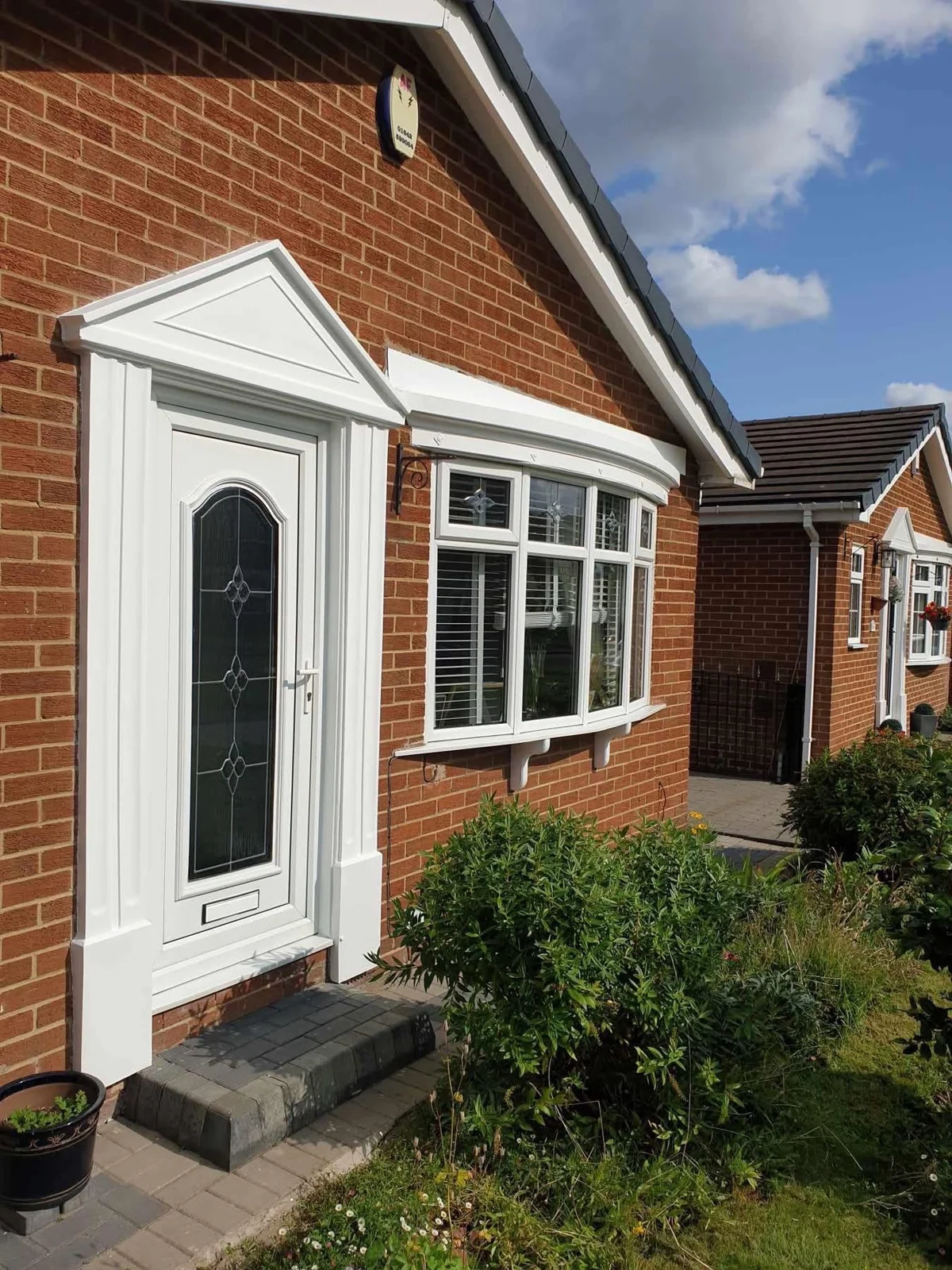

Browse the full project gallery for more preparation and finished-work photographs.
A carefully planned sequence can make a substantial decorating project easier to live through. Start by identifying essential rooms, work-from-home requirements and the routes needed for daily access. A spare bedroom might be available for furniture storage, while a hallway may need to remain usable at agreed times. Tell Matthew about children, pets and any sensitivity to noise or odour so that practical arrangements can be discussed before dates are agreed.
Furniture protection and movement should be explicit parts of the conversation. A room that looks almost empty can still contain heavy items, fixed shelving or fragile fittings. Decide what you will remove and what needs further discussion. Allow for preparation, drying and return visits rather than treating painting as a single uninterrupted activity. Avoid booking carpet fitting or other finishing trades against an assumed completion date before the programme is agreed. Coordinating these details is often more valuable than trying to rush a surface that needs additional time between stages.
The most useful quotation is built around surfaces and tasks. Describe walls, ceilings, woodwork, paper removal and any feature treatments separately. If several rooms are involved, give each room a name and explain whether all of it is included. This prevents a vague phrase such as full redecoration from concealing different expectations. Mention strong existing colours, recent plaster work and any materials already purchased, because those details can influence preparation and the proposed system.
You can request options where the choices are genuinely different, such as painting walls only or including doors and frames. Keep the comparison like for like when deciding what to proceed with. Ask how unforeseen defects will be discussed and how any additional work would be agreed. Choosing a lower figure without understanding the exclusions can lead to disappointment later. For an initial conversation, call 07763 095929 or use the project enquiry form, including your Wolviston postcode and a useful description of the rooms.
A decorating refresh can be more successful when it is selective. If an existing fireplace, timber floor or fitted unit is in good condition and still suits the room, use it as a reference point rather than assuming it must change with the walls. Make a simple list of retained features and show it with the brief. This also helps establish protection requirements. A surface that is excluded from painting may still need careful attention while adjacent areas are prepared and coated.
Think about smaller details at the same time. Curtain poles, blinds, light fittings and wall-mounted items can leave holes or unpainted patches if their replacement is decided too late. Where a change is planned, explain it before the final preparation is agreed. Keep electrical work with the appropriate trade and avoid expecting decorative work to include alterations that have not been specified. Resolving these decisions early creates clearer boundaries around the job and reduces the temptation to make a series of disruptive changes after the room has already been finished.
There is also a practical reason to avoid ordering materials too soon. The suitability of paint or wallpaper depends on the substrate, the intended finish and the preparation. A special offer is not useful if the product does not suit the work. Agree who supplies each material and retain its details afterwards. This gives the project a straightforward paper trail and makes future maintenance more informed than relying on a half-remembered colour name or a photograph taken under different lighting.
A newly decorated surface may be dry to the touch before it has reached its full curing stage. Follow the advice given for the actual coating, especially on frequently handled woodwork, cabinets and washable walls. Replacing ornaments against fresh paint, rubbing marks too soon or closing a door tightly before the finish is ready can damage otherwise satisfactory work. Keep the paint details so later maintenance is based on the correct product, colour and sheen.
At the end of a project, review the agreed surfaces in ordinary room conditions and raise any questions while the work is still easy to identify. Keep future changes in mind too: fixing new shelving, replacing radiators or moving sockets can disturb the finish. If those alterations are already planned, it is usually better to coordinate them first. The project gallery shows examples of Matthew’s decorating work and preparation, but it is not a claim that the photographs were taken in Wolviston. Your quotation should always relate to your own property and requirements.
YOUR WOLVISTON PROJECT
Project-specific advice starts with the actual surfaces, access and finish you have in mind.
Yes, explain which parts of the property have different surfaces or previous finishes when you enquire. An extension with recent plaster, a staircase with old coatings and a kitchen with factory-finished doors may need separate specifications. Send photographs and your postcode, then discuss whether an assessment is needed. The aim is to establish appropriate preparation for each area rather than apply one assumption to the entire house.
You can make an initial enquiry before choosing the exact shades. It helps to explain whether the change is light to dark, dark to light or broadly similar, and whether feature walls are involved. The final colours, products and finishes need to be agreed in time for planning and materials. Sample choices in the room itself rather than relying only on an online image or a small printed chart.
A connected scheme can use repeated trim colours, related undertones or carefully chosen transitions through doorways. Start with the flooring and furniture that will stay, then assess the proposed colours together in the actual light. Matthew can discuss the decorating work and practical sequence. The final design need not be uniform, but it should account for the way several rooms are seen at once.
Include photographs of the full kitchen, close views of damaged or peeling areas and any information about the door material or existing coating. Say whether you want external faces only, additional panels or other surfaces considered. Mention handle changes and any planned worktops or appliances. Suitability needs assessment; a coating cannot make a damaged or unstable cabinet substrate sound, and some repairs may change the scope.
The first step is to establish that the leak or moisture source has been corrected and the area is suitable for decoration. Tell Matthew what happened, when it was repaired and whether the mark is changing. Stain treatment may form part of an agreed specification once the substrate is ready. Painting over active damp is not an appropriate replacement for investigating and fixing its cause.
Agree the arrangements rather than trying to move everything without a plan. Remove small valuables, ornaments and loose personal items from the working area. Discuss larger furniture, curtains, wall fittings and access routes with Matthew. Clear space is helpful, but heavy or fixed items may require separate arrangements. Also mention pets, home working and essential room access so that a realistic sequence can be discussed.
You can explain your preferred timing, but exterior work depends on both availability and suitable conditions for the specified coating. Rain, damp surfaces, temperature and drying time may require a change of plan. If the work is linked to an event or another contractor, mention that early. A sensible programme should allow for weather decisions rather than promise that coating can proceed regardless of conditions.
The gallery contains Matthew’s portfolio photographs from his earlier website. They illustrate finishes, preparation and types of decorating work, but should not be assumed to identify Wolviston addresses. You are welcome to point to a particular finish when describing your own ideas. Matthew can then discuss the surfaces involved and whether a similar approach is suitable for your property, rather than treating a photograph as a universal specification.
EXPLORE NEARBY
Compare decorating services, read customer feedback, or view Matthew’s project gallery.
FIND YOUR AREA
Explore town, village and neighbourhood guides. Confirm your postcode and the work required when asking about a visit.
LET’S PLAN YOUR PROJECT
Send the rooms or surfaces involved, your postcode and preferred timing. Matthew can then discuss the next step towards a free, no-obligation quotation.
Request your free quoteKIND WORDS. BEAUTIFUL HOMES.
★★★★★ 5.0 on Google · 19 reviews
We recently had Matt from Attention to Detail complete work on our hallway and staircase, and we honestly couldn’t be happier with the results.…Read reviews on Google ↗
Attention to Detail is certainly Matt. He has decorated my hall/stairs, lounge and kitchen. I could not fault his work and professionalism.Read reviews on Google ↗
Matt recently decorated our new interior doors, architraves and door frames, and the standard of his work was outstanding.Read reviews on Google ↗
Matt goes above and beyond and his attention to detail literally is perfection!Read reviews on Google ↗
We had Mathew of ATD (Attention to Detail decorating) to prepare and decorate our hall, stairs, and landing, as well as our large front…Read reviews on Google ↗
Matt I cannot recommend enough the name says it all, attention to detail to a fine T!Read reviews on Google ↗
Matthew has done 5 rooms in total for me, he worked above and beyond to perfection. He is very professional.Read reviews on Google ↗
We have used Matthew a few times for different rooms and houses.Read reviews on Google ↗
Matt totally transformed my living room after I had a media wall built.Read reviews on Google ↗
Amazing and Professional from start to finish!Read reviews on Google ↗
Have had Matthew from Attention to Detail in to paint our bathroom and he did an amazing job.Read reviews on Google ↗
I’ve used Matt a couple of times for work in my house, and not once did he let me down even at short notice.…Read reviews on Google ↗
I have used Attention to detail a number of times and Matty has almost decorated my whole house plus frenchic’d some furniture for me.…Read reviews on Google ↗
Excellent service and excellent job completed. Matt certainly lives up to his company name with attention to detail and a high standard of work.Read reviews on Google ↗
This is the second time I have used ATD, and for an even bigger job.Read reviews on Google ↗
Matt decorated all of my bungalow, excellent work very professional would highly recommend himRead reviews on Google ↗
Used ATD recently to redecorate my hall,stairs, and landing, I would recommend this lad anytime he's very thorough clean and tidy worker above all…Read reviews on Google ↗
Excellent service, very professional, went the extra mile. Lovely guy 👍Read reviews on Google ↗
Matt has just painted our media wall for us and did a fantastic job.Read reviews on Google ↗