
Kirsty Littlefair
Google review★★★★★
We recently had Matt from Attention to Detail complete work on our hallway and staircase, and we honestly couldn’t be happier with the results.…Read reviews on Google ↗
MATTHEW ROBINSON PAINTING & DECORATING
Painting and decorating enquiries in Stokesley. Discuss preparation, interior finishes, wallpaper and your project with Matthew Robinson.
Tell Matthew your postcode and project details so coverage, suitability and availability can be confirmed.

The final decorating stage is often where a renovation starts to feel like a home again. New joinery, repaired plaster and changes to the layout may be complete, but the room can still look like a collection of separate trades. For Stokesley painting and decorating enquiries, Matthew Robinson Painting & Decorating can discuss how suitable surfaces might be brought together through preparation, coordinated colour and clearly specified finishes. Share the postcode and scope so coverage and arrangements can be confirmed.
Not every enquiry involves a major renovation. Moving a doorway, adding shelving or changing the way a room is used can create the same need for a coherent finish. A wall may contain both old and new material, while retained woodwork has a different history from a newly fitted component. Those differences matter. The starting point is an assessment of what is ready to decorate, what still needs attention and what appearance you want when the room is back in use.
Stokesley is identified as a market town in North Yorkshire planning information, but that local identity does not tell us the construction of your particular home. Send photographs and describe any recent work rather than assume a standard treatment. Call 07763 095929 or use the project form to begin a conversation about the actual rooms, surfaces and remaining decisions.
A room can look nearly finished while still having work that will disturb the final coatings. Joinery adjustments, electrical changes and repairs around fittings should be identified before the decorating sequence is agreed. Explain which trades remain involved and who will confirm completion. The important distinction is between a hoped-for handover and a surface that is actually stable, dry and ready for the next stage.
Fresh plaster and repair materials need the appropriate preparation and drying conditions. A visual impression of dryness is not a complete specification. The selected coating system has to suit the substrate and the product guidance. Tell Matthew what has been applied, when the work was completed and whether there have been moisture or ventilation issues. Where that information is uncertain, it should remain a question to resolve rather than be replaced by a guessed start date.
Use a short readiness checklist for each room. Are fittings in their final positions? Have damaged edges been addressed? Will floors remain or be replaced? Can furniture be moved out of the working area? Those points help separate decorating from unfinished construction work. If the project has stages, agree where one trade’s responsibility ends and another begins so the final finish is not expected to conceal work that still needs doing.
A patched or altered wall can contain several backgrounds: retained paint, new plaster, filled chases and earlier repairs. Each may absorb a coating differently or show a different texture. For surface preparation and wall correction, the aim is to assess those changes before finishing coats are chosen. Applying the same colour over everything does not necessarily create an even appearance if the underlying preparation remains inconsistent.
Examine the wall under the lighting it will have after the work. Side light from a window or a new wall fitting can highlight a repaired channel that was barely visible under a central bulb. Explain the level of correction you expect. A general refresh of a sound wall differs from more extensive preparation intended to reduce visible transitions. The quotation should reflect that distinction rather than leave the word smooth undefined.
Some imperfections sit beyond a decorator’s agreed scope. A substantial hollow, continuing crack or unstable plaster may require further work before paint is appropriate. Identifying that does not mean the whole room must be rebuilt; it means the problem should be considered proportionately. Clear photographs and an assessment can help establish which preparation is included, which specialist repairs may be needed and how any unexpected discovery will be discussed before additional work proceeds.

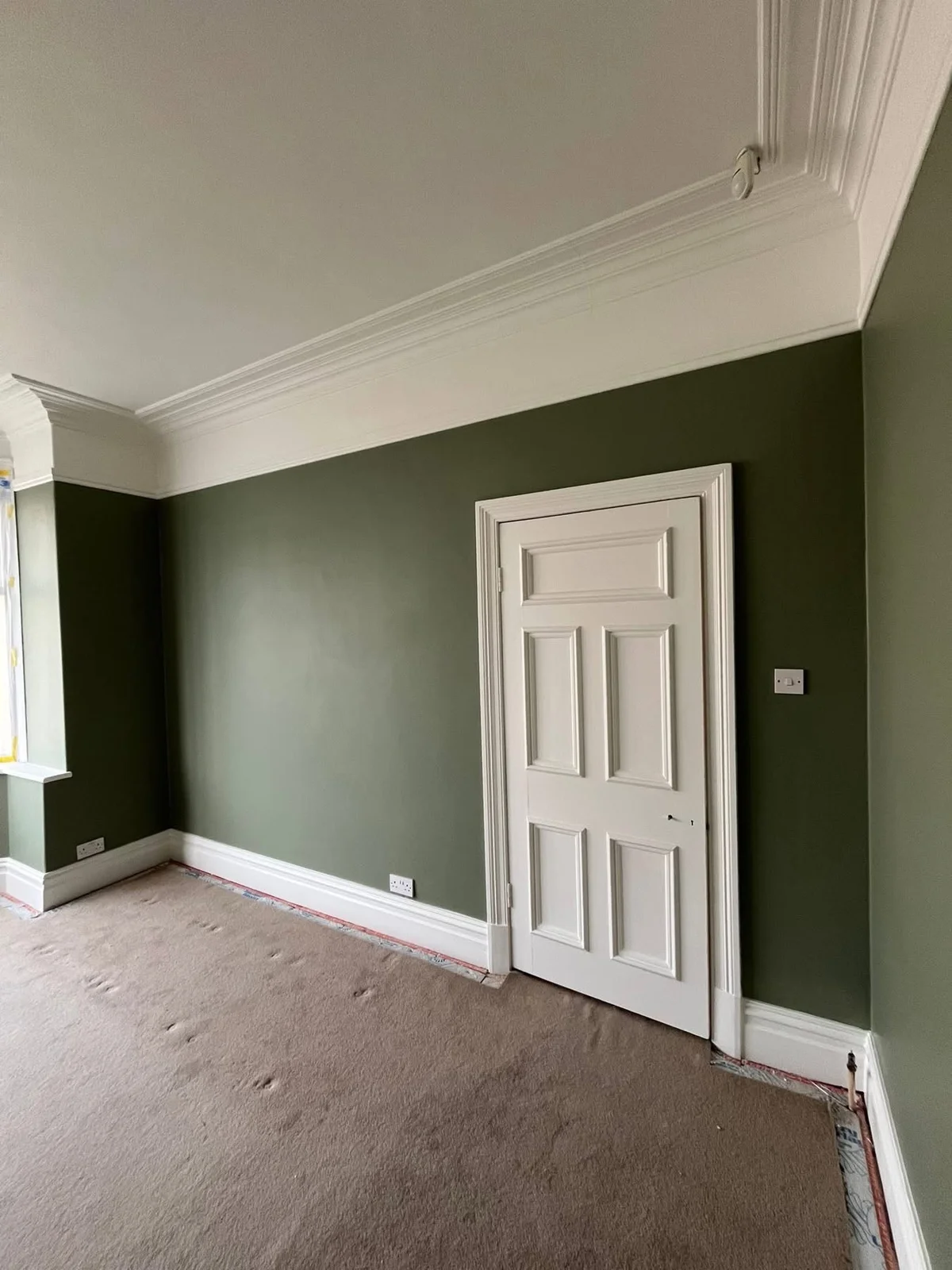
Browse the full project gallery for more preparation and finished-work photographs.
After alterations, the eye may travel differently through the home. A newly opened view can connect rooms that previously felt separate, or a closed doorway may create a more contained sitting room. Look at the new layout before choosing colours independently. Consider the approach from the hall, the view from a favourite chair and the places where different finishes meet. A coordinated scheme should acknowledge those relationships.
There are several ways to create continuity. Similar undertones can link different wall colours; a consistent trim can provide a thread through adjoining spaces; a deliberately darker recess can make fitted storage feel integrated. The best choice depends on furniture, flooring and light. Gather samples together rather than approve one room at a time without reference to the next. Check them at different times of day and under the intended lamps.
For interior painting, describe both the look and the demands of the room. A home office, a dining space and a children’s area may share a palette while requiring different attention to marks and cleaning. Agree the particular products and sheen for each substrate. Colour coordination is a design decision; product suitability is a practical decision. Treating both carefully helps the completed room feel intentional and makes its ongoing care easier to understand.
New shelves, cupboards or trim can appear ready for paint, but their material, joints and preparation must be understood. Ask the joiner what has been supplied and which parts have been filled or primed. Tell Matthew whether the items are timber, board or a combination, and show exposed edges and junctions. A finish should be specified for those actual surfaces rather than copied from a photograph of a different installation.
Consider the visible parts carefully. Shelves have tops, undersides, front edges and junctions with the wall. Cupboards may include internal faces or only the outside. Decide which components belong in the scope and which fittings need protection or removal. A quotation for the fronts alone is not equivalent to one covering every internal compartment, and the distinction can materially affect time, materials and the way the room is used during work.
Suitable spray painting can be considered where the substrate and setting allow, but the method should follow assessment. Masking, clearance and the surrounding environment are part of the work. The coating will also need appropriate drying and curing before books, equipment or ornaments return. A neat installation deserves a finishing plan that accounts for those practical details, not just a final colour chosen at the end of a building project.
New work can make retained doors and frames appear more tired than they did before the room changed. Check them early. Wear around handles, chips on edges and layers of earlier coatings may need preparation even when the main wall is new. Count the items you want included and specify which faces and frames belong to the project. It is easier to plan that detail before the finishing sequence is fixed.
A retained component may need a different approach from new joinery nearby. Sound old coatings, unstable paint and bare repairs are not interchangeable backgrounds. Appropriate cleaning, abrasion, priming and filling can be discussed after assessment. If a door needs adjustment or repair, distinguish that from decoration and arrange the relevant work first. A fresh finish should follow a usable component rather than be expected to correct its fit or stability.
Think about contrast across the room. You might want new cupboards and old doors to share a colour, or you may prefer the fitted feature to stand apart. Even an intended colour match can look different across products and sheen levels, so review the specification as a whole. When the work is complete, follow advice about handling and closing newly coated doors. A surface that feels dry can still need considerate use while its finish cures.
A wallcovering can provide the final character in a renovated room, but it introduces requirements that should be understood before other stages are completed. Share the chosen paper, its instructions and the intended wall while the brief is being developed. Pattern repeat, wall height and openings affect quantity. A focal motif may need positioning in relation to a bed, desk or chimney breast rather than simply beginning at the nearest corner.
For wallpapering enquiries, identify any mix of new and old background on the wall. The surface should be sound and prepared to suit the product. Paper is not a substitute for resolving unstable plaster or moisture problems. If a lining stage is appropriate, that needs its own allowance within the programme. Specialist wallcoverings may have additional handling or substrate requirements that cannot be assumed from the appearance of the sample.
Coordinate the edges with nearby paint and joinery. Fresh coatings need suitable time before adjacent work, and a completed papered surface should not be placed at unnecessary risk from remaining trades. Check delivery and batch details before dates are confirmed. Keeping some suitable spare material and the product specification can help later, but the initial priority is a sound background and a sequence that protects the wallcovering as part of the finished room.

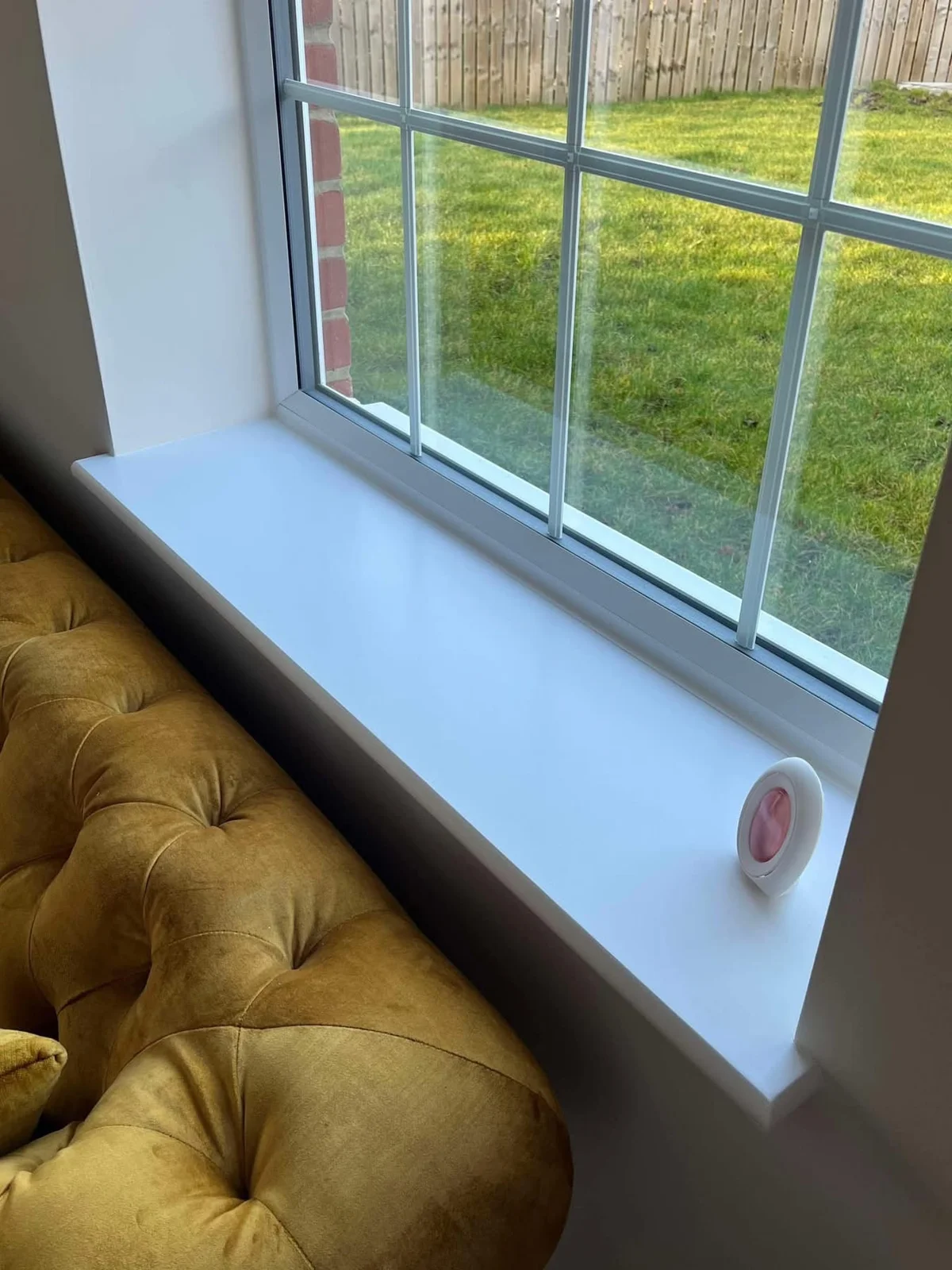
Browse the full project gallery for more preparation and finished-work photographs.
A renovation may improve the dining or living area while leaving the kitchen untouched. Once adjacent colours change, the cabinets can feel visually disconnected. If the kitchen remains structurally sound, a cabinet respray assessment may be worth discussing. It should not be added casually without inspecting materials, edge condition and the previous finish. Swelling, failed coverings and damaged fronts can affect whether coating is a sensible option.
Define the components clearly. Doors, drawer fronts, end panels, frames and plinths may require separate consideration, and cupboard interiors are another choice. If handles or appliances will change, explain that before the specification is agreed. The sequence should accommodate those alterations so fresh coatings are not drilled, adjusted or disturbed unnecessarily afterwards. A joined-up colour plan can still be carried out in separate phases when the practical or financial requirements favour that approach.
Be realistic about household use. Masking and preparation can affect the kitchen and nearby circulation, while cabinets may need gentle use during curing. Discuss temporary storage and access rather than assume the room remains fully available throughout. A clearly defined later phase is often more useful than adding an undefined kitchen element to a quotation that was developed around newly plastered walls and a different completion deadline.
A front door or other outside feature may be part of the overall appearance you want, but exterior work has different conditions and constraints from indoor finishing. Show the full elevation and close photographs of the relevant surfaces. Timber condition, previous coating, water exposure and access all affect the proposed work. Loose paint or signs of decay need assessment before a fresh colour is agreed.
Where the building is listed or within a designated area, check any relevant controls with the appropriate authority before alterations to historic or external details. Do not assume that repainting is always unrestricted or always prohibited; the particulars matter. A decorating proposal should follow the advice applicable to your property. Matthew’s quotation addresses the agreed work and does not establish whether consent is needed for a proposed change.
Outdoor painting also depends on a suitable weather and drying window. Rain, temperature and product requirements can alter the programme, so it should not be promised as an inflexible final day of interior work. Explain if exterior appearance is tied to an event or another contractor’s schedule. The work can then be considered separately, with access and condition allowed for rather than hidden within a broad request to finish the house.
Before accepting a quotation, compare its scope against your room schedule. Check walls, ceilings, woodwork, paper and fitted pieces individually. Ask how materials are specified and what happens if preparation reveals a defect that was not visible earlier. This is especially useful after alterations, where a room can contain different substrates and unfinished decisions. A shared understanding of those boundaries is more valuable than a headline price without a description of the work.
Prepare for handover from the start. Decide where possessions will go, which surfaces must remain clear and how other trades will access the property. After decoration, retain the colour and product record and follow any care guidance. Drying and curing are separate stages, so returning shelves to full use or pressing furniture against walls should follow the agreed advice rather than happen as soon as the room looks finished.
For a Stokesley enquiry, send your postcode, photographs, room details and the status of any alterations to info@mrdecorteesside.co.uk, or call 07763 095929. The gallery can help frame ideas, but your specification will depend on your surfaces. Coverage, suitability and the next assessment step are confirmed for the individual project, without implying a local office or a history of work at your particular address.
YOUR STOKESLEY PROJECT
Project-specific advice starts with the actual surfaces, access and finish you have in mind.
An early enquiry can help identify information needed for the scope, but the finishing programme should reflect when surfaces and other trades will actually be ready. Share the planned alterations and any uncertain dates. The quotation may need clarification once the condition is visible. Avoid leaving every decision until the final trade leaves, while also avoiding a fixed paint date based solely on an optimistic building schedule.
The appropriate preparation depends on the materials and their condition. New and retained backgrounds can absorb coatings differently, so they should be assessed as part of the same wall. An even topcoat colour does not remove the need for suitable preparation. Explain what repairs were made and which products were used where known. Matthew can then discuss the system and any further work needed before finishing coats are appropriate.
State their material and list the visible surfaces: tops, undersides, front edges, sides and adjoining trim. Explain whether internal compartments and cupboard interiors are included. Photographs of joints and exposed edges are helpful, alongside any information from the joiner about primers or fillers already applied. A clear item list avoids treating a substantial fitted installation as though it were simply one flat wall with a different colour.
It is better to establish what work remains and whether it could damage the papered surface. Adjustments, drilling and fitting can introduce dust or marks after a delicate finish is complete. The precise sequence should be agreed for the room, but the wallcovering should not be exposed to avoidable work simply to create an early appearance of completion. Share the remaining tasks so preparation, paint and paper can be planned sensibly.
That phrase can conceal very different expectations. Identify the repairs or transitions you want improved and look at them under the intended lighting. A routine refresh of a sound surface is not the same scope as extensive correction across a wall. Some defects may need further plaster work. Discuss the desired level of improvement explicitly so the assessment, preparation allowance and quotation reflect it rather than relying on an ambiguous adjective.
Yes, a coordinated colour plan can be considered in stages, subject to cabinet suitability and a separate scope. Record the room’s final products and colours, then assess the kitchen material, condition and components before specifying its treatment. A matching colour can read differently across finishes, so review samples where appropriate. Later work may involve another setup and programme; it should not be assumed to have the same practical requirements as painting walls.
Explain how much furniture is present and where it can go. The required clearance depends on access, the surfaces being prepared and the method proposed. Some items may be moved within the home, while fragile objects and full shelves usually need a clearer plan. Agree responsibilities before work starts. A small alteration can still require room around equipment and protection, so do not judge clearance needs only by the size of the repaired area.
Discuss the sequence and responsibility for protection before the finishing stage. If later work does cause damage, record what happened and seek advice on an appropriate repair rather than immediately applying an unverified product. A touch-up may not blend invisibly under every lighting condition. Keeping the original finish details helps, but the best approach is to minimise avoidable disturbance by agreeing which trades need access before final decoration is completed.
EXPLORE NEARBY
Compare decorating services, read customer feedback, or view Matthew’s project gallery.
FIND YOUR AREA
Explore town, village and neighbourhood guides. Confirm your postcode and the work required when asking about a visit.
LET’S PLAN YOUR PROJECT
Send the rooms or surfaces involved, your postcode and preferred timing. Matthew can then discuss the next step towards a free, no-obligation quotation.
Request your free quoteKIND WORDS. BEAUTIFUL HOMES.
★★★★★ 5.0 on Google · 19 reviews
We recently had Matt from Attention to Detail complete work on our hallway and staircase, and we honestly couldn’t be happier with the results.…Read reviews on Google ↗
Attention to Detail is certainly Matt. He has decorated my hall/stairs, lounge and kitchen. I could not fault his work and professionalism.Read reviews on Google ↗
Matt recently decorated our new interior doors, architraves and door frames, and the standard of his work was outstanding.Read reviews on Google ↗
Matt goes above and beyond and his attention to detail literally is perfection!Read reviews on Google ↗
We had Mathew of ATD (Attention to Detail decorating) to prepare and decorate our hall, stairs, and landing, as well as our large front…Read reviews on Google ↗
Matt I cannot recommend enough the name says it all, attention to detail to a fine T!Read reviews on Google ↗
Matthew has done 5 rooms in total for me, he worked above and beyond to perfection. He is very professional.Read reviews on Google ↗
We have used Matthew a few times for different rooms and houses.Read reviews on Google ↗
Matt totally transformed my living room after I had a media wall built.Read reviews on Google ↗
Amazing and Professional from start to finish!Read reviews on Google ↗
Have had Matthew from Attention to Detail in to paint our bathroom and he did an amazing job.Read reviews on Google ↗
I’ve used Matt a couple of times for work in my house, and not once did he let me down even at short notice.…Read reviews on Google ↗
I have used Attention to detail a number of times and Matty has almost decorated my whole house plus frenchic’d some furniture for me.…Read reviews on Google ↗
Excellent service and excellent job completed. Matt certainly lives up to his company name with attention to detail and a high standard of work.Read reviews on Google ↗
This is the second time I have used ATD, and for an even bigger job.Read reviews on Google ↗
Matt decorated all of my bungalow, excellent work very professional would highly recommend himRead reviews on Google ↗
Used ATD recently to redecorate my hall,stairs, and landing, I would recommend this lad anytime he's very thorough clean and tidy worker above all…Read reviews on Google ↗
Excellent service, very professional, went the extra mile. Lovely guy 👍Read reviews on Google ↗
Matt has just painted our media wall for us and did a fantastic job.Read reviews on Google ↗