
Kirsty Littlefair
Google review★★★★★
We recently had Matt from Attention to Detail complete work on our hallway and staircase, and we honestly couldn’t be happier with the results.…Read reviews on Google ↗
MATTHEW ROBINSON PAINTING & DECORATING
Painting and decorating enquiries in Great Ayton. Discuss preparation, interior finishes, wallpaper and your project with Matthew Robinson.
Tell Matthew your postcode and project details so coverage, suitability and availability can be confirmed.

A room can lose its character when a refresh treats every edge, recess and surface as an obstacle to cover quickly. It can also become difficult to live with when original details are preserved without considering comfort or maintenance. For painting and decorating enquiries in Great Ayton, Matthew Robinson Painting & Decorating can discuss a balanced brief: the features you want to retain, the finishes you want to improve and the way the room needs to work today.
Start with your own property rather than a general idea of a village house. Great Ayton sits within North Yorkshire, and homes can vary considerably in age, alteration and condition. An older-looking room may have modern plaster, while an apparently simple space can contain difficult previous coatings. Send your postcode and photographs so coverage and the suitability of the proposed decorating work can be assessed before any dates or materials are assumed.
This guide places particular emphasis on considered room schemes, wallpaper, trim and preparation. It is useful whether you have a compact sitting room, a newer family home or a room whose earlier alterations no longer fit together. Call 07763 095929 or use the contact form to explain what you would like changed. The conversation can then focus on the actual surfaces and decisions behind the finish.
Look around the room and decide what you want to notice first. It might be a fireplace, a view through a window, a piece of furniture or a wall intended for paper. Without that priority, a new colour can compete with several existing features rather than bringing them together. Photograph the room from the doorway as well as from the centre, because the first view often reveals which surfaces dominate the space.
Record details you intend to keep, including timber, flooring, tiles and fitted storage. Those materials can guide the palette more reliably than a fashionable shade chosen in isolation. A warm floor may change how a cool wall colour reads; a dark cabinet may call for a different balance of light and contrast. Samples should be checked against those retained features under daylight and the lamps you use in the evening.
A coherent result can come from restraint. You do not need a feature finish on every wall or a different trim colour for every room. Equally, one neutral everywhere is not the only way to achieve continuity. Discuss the relationship between adjacent rooms, ceilings and woodwork, then identify where a deliberate change is worthwhile. The aim is a scheme that makes sense in your home, not a collection of unrelated decorating purchases.
Walls can carry old paper, repeated repairs and coatings with different levels of adhesion. Before painting interior walls, establish what is currently on the surface and what can reasonably remain. A firm painted base is different from loose paint or paper that has been covered over. Where the history is uncertain, explain what you know and allow the assessment to guide the preparation plan.
Removing old wallpaper can reveal more than expected. There may be patching around former fittings, uneven edges or areas where the background absorbs moisture differently. Those discoveries do not automatically mean every wall needs extensive plaster work, but they do need a proportionate response. Agree how the next step will be discussed if the exposed wall differs from the condition assumed in the initial quotation.
In a building with older materials or protected features, treatment should be appropriate to the particular construction. Do not assume that a standard modern coating is suitable merely because it worked in another house. Active damp, persistent staining and significant movement need investigation before decoration. Matthew can discuss preparation and wall correction, while matters beyond the decorating scope may require a separate specialist before the room is ready for its finish.
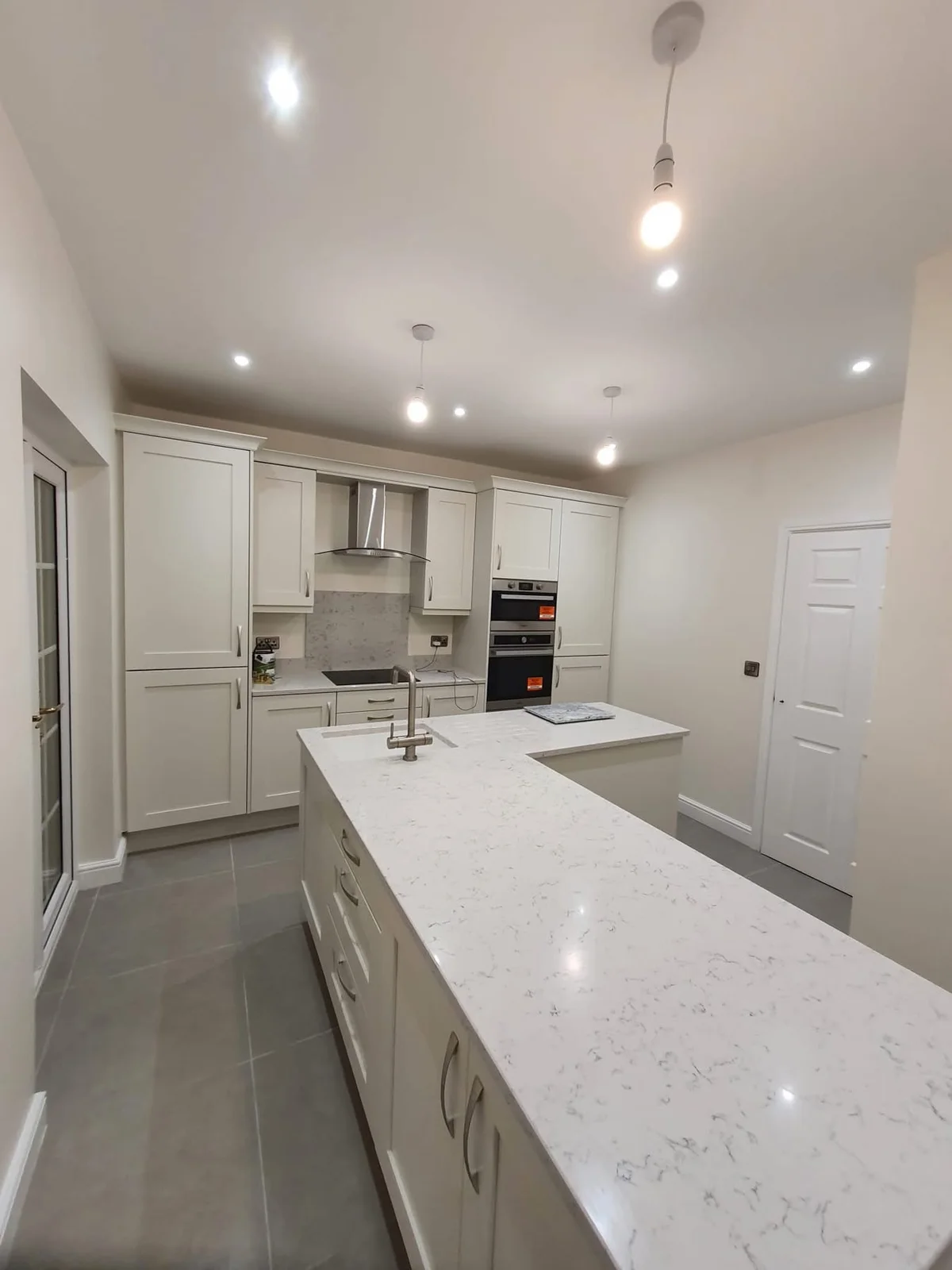
Browse the full project gallery for more preparation and finished-work photographs.
A wallpaper sample is small; a finished patterned wall is a much larger visual decision. Consider the scale of the repeat against the height of the room and the position of doors, windows and furniture. A strong motif may need careful alignment around a central feature, while a textured paper can change with the direction of light. Try to understand those effects before ordering all the rolls.
Share the product and hanging instructions when asking about wallpapering. Roll dimensions, pattern match and batch consistency affect the material needed. A calculation based only on wall area can overlook the extra cuts required by a large repeat. Include photographs of corners, alcoves and openings, and explain whether you want one feature wall or the whole room. That gives a clearer starting point for quantity and preparation discussions.
Paper should not be used as a disguise for unstable surfaces. The background needs to be sound and suitable for the selected product, and lining or other preparation may be appropriate after assessment. If you have already bought the paper, check that enough matching material is available before booking. Keep spare paper and product information afterwards; future repairs are easier to discuss when the original specification is known rather than reconstructed from a photograph.
The edges of a room influence how deliberate the whole scheme feels. A new wall colour beside a marked ceiling or worn frame can make those adjacent surfaces more noticeable. Decide whether ceilings, coving or other decorative junctions belong in the project, and identify any details that should remain untouched. The quotation should make those boundaries clear so that a walls-only scope is not confused with a complete room treatment.
Existing ceiling defects need their own assessment. Cracks, uneven old repairs and stains may require different responses, and a fresh coat is not a remedy for an unresolved leak. Strong light near a window can reveal imperfections that were less visible under a central pendant. Explain the appearance you are seeking and whether a significant change of texture is intended, as that may require work beyond a straightforward repaint.
Where details are delicate, heavily layered or part of a protected interior, discuss them before any removal or aggressive preparation is assumed. A tidy edge is important, but preserving a feature and stripping it back are different scopes. Photographs help Matthew understand what you want retained. If specialist advice or consent is needed, obtain it before finalising the work rather than expecting decoration to settle questions about the building’s status.
Skirting, architraves, doors and fitted trim can establish a consistent thread through a home. Count them carefully and specify which faces and edges are included. A room with several openings may involve more detailed woodwork than a larger room with a single door. Tell Matthew about damaged edges, sticky coatings or areas that have been repeatedly patched so the preparation can be assessed rather than inferred from a distant image.
The desired finish should suit the surface and daily use. Cleaning, abrasion and appropriate primers may be part of the process before the final coats. Simply selecting a stronger-looking sheen does not resolve a loose underlying layer. Where a component needs joinery repair, replacement or another trade, that should be distinguished from the painting quotation. A decorative coating cannot make a failing door edge or swollen board sound.
Think about how you handle these surfaces. Doors, rails and cupboard fronts are touched frequently, so curing guidance matters after they look dry. Agree when fittings and normal use can resume, and avoid pressing items against new paint before the coating is ready. Keeping a record of the colour and product can help with later care. The best specification combines the appearance you want with realistic preparation and a sensible return to use.
A compact room is not necessarily best served by the palest possible shade. The balance of light, furniture and contrast matters more than a simple rule. A darker wall may create a deliberate enclosure, while a lighter ceiling or retained trim can keep the boundaries readable. Review samples across the day and avoid judging a shade only beside a bright shop display or on a phone screen.
Use larger sample areas where practical and compare neighbouring colours together. A wall can change character when the adjacent surface is painted, especially where one area receives direct light and another remains shaded. If the room contains a television, desk or reading chair, consider the view from that position. Decorating should support how the room is used, not only the photograph taken from its doorway.
The finish also affects the way light shows surface condition. More reflective coatings may reveal uneven backgrounds, while a softer appearance still needs sound preparation. Explain the room’s lighting and intended use when discussing products with Matthew. If you are changing lamps or window treatments, include that in the plan. It is easier to coordinate those decisions before final colour approval than to repaint because the completed lighting changes the result you expected.
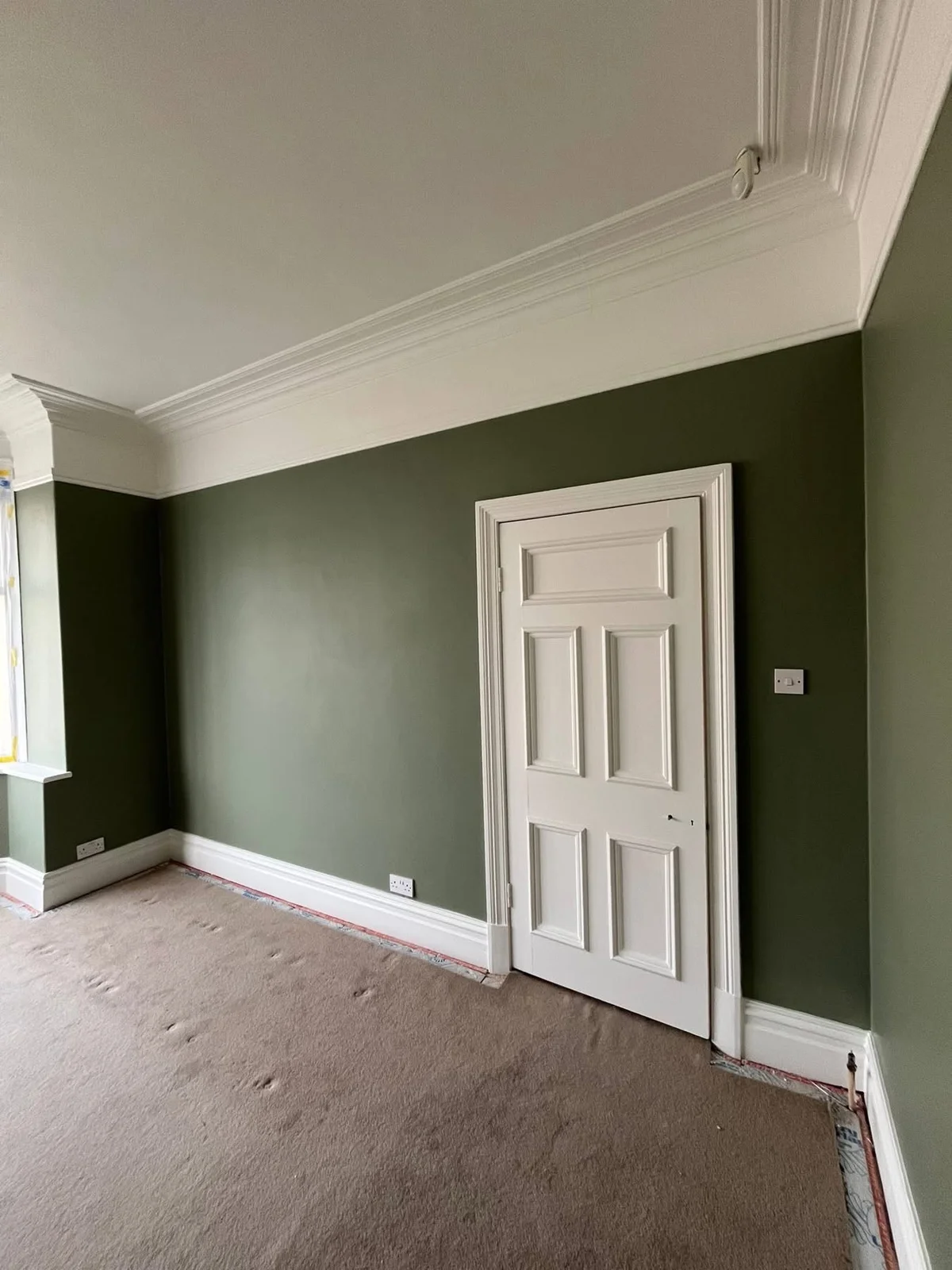
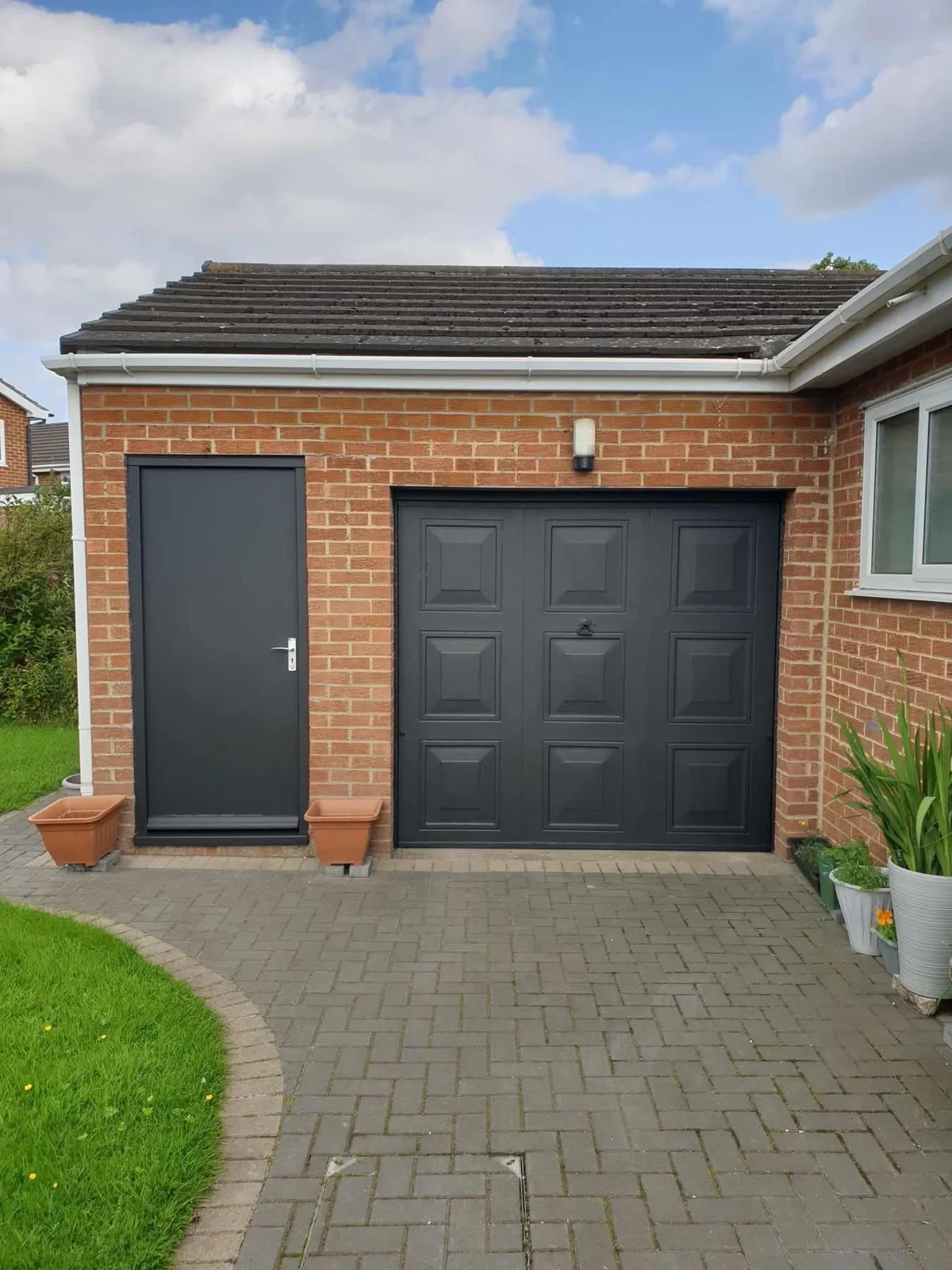
Browse the full project gallery for more preparation and finished-work photographs.
Built-in shelving or cupboards can create a strong visual anchor. If they remain sound but their finish no longer fits the room, suitable spray painting or other assessed treatment can be discussed. Provide photographs of the material, edges, shelves and existing coating. The process must be chosen for the substrate and setting rather than based solely on an inspiration image showing a smooth surface.
For a connected kitchen, cabinet respray enquiries need a separate condition check. Identify door fronts, frames, panels and any other visible parts you want included. Lifting coverings, swollen boards or damaged corners may change suitability. If new handles, joinery or other alterations are planned, coordinate those first so the coating stage does not have to be revisited after changes are made.
Masking, room clearance and access can be substantial parts of work on fitted pieces. Ask how the proposed approach affects use of the surrounding room and storage. A phased project may be appropriate where possessions cannot all be moved at once, but that needs to be allowed for. The result should be a clear scope for suitable surfaces, with practical arrangements and curing guidance understood before the work begins.
Outside colour can change the way a property relates to its retained brick, stone, roof and neighbouring features. Before discussing exterior painting, identify which surfaces are already coated and what condition they are in. A timber door, a rendered wall and a previously painted sill should not be treated as though one preparation method and one product will suit them all.
If the property is listed or subject to local controls, check the proposed alterations with the relevant authority before agreeing a specification. That is particularly important where a change may affect historic material or external appearance. Do not infer the rules from a neighbour’s recent paintwork. A decorating enquiry can help clarify the work you want, but it does not replace property-specific advice about permissions or material conservation.
Weather and access are also part of the scope. Outdoor coatings require suitable conditions for application and drying, and defects such as active water penetration or decay need attention first. Send photographs showing the elevation and any difficult access, not just the colour you prefer. A flexible programme is more realistic than treating outside work as a fixed appointment regardless of conditions. Suitability and arrangements can then be confirmed for the individual Great Ayton enquiry.
A useful quotation request includes the postcode, room names, photographs, approximate sizes and the surfaces to be treated. Add the details that may not show in images: whether the home remains occupied, which furniture can move, whether specialist paper is planned and whether another trade has unfinished work. Coverage is assessed from your postcode and project; the website does not imply that Matthew has premises in Great Ayton.
Before work starts, agree who clears possessions, takes down curtains and deals with fragile objects. A small room can become difficult to prepare if every storage area is full, so think about temporary space elsewhere in the house. Discuss pets, working hours and access requirements early. Those practical points help establish a programme that matches the scope rather than leaving room preparation to chance on the first day.
At handover, retain the agreed finish information and follow the care advice for each surface. Drying and curing are different, and freshly decorated trim may need gentler treatment than an older finish. To begin the conversation, view the gallery, call 07763 095929 or email info@mrdecorteesside.co.uk. Share the outcome you want and the condition you have, so the proposed work can be assessed on that basis.
YOUR GREAT AYTON PROJECT
Project-specific advice starts with the actual surfaces, access and finish you have in mind.
Yes, explain which features you want retained and which finishes you want changed. Include photographs of trim, recesses and other details as well as the main walls. The assessment can then distinguish decorative improvement from removal or alteration. Where historic material or a protected building is involved, separate advice may be needed before a treatment is agreed. A clear preservation brief is more useful than a general request to keep the room traditional.
Look beyond the sample and consider how the repeat will meet the ceiling, corners and furniture. A larger pattern can work deliberately, but its placement and the amount lost at openings need thought. Share the design and room photographs before ordering. Matthew can discuss the practical hanging considerations, while your colour and pattern decision should be tested against the room’s light and retained furnishings rather than based on a small online image.
No single preparation is right for every background or product. The condition, porosity and soundness of the wall need assessment, together with the wallcovering instructions. Lining paper may be useful in some situations, but it is not a cure for loose plaster or an unresolved moisture problem. Ask what preparation the quotation allows for and how any defects found after stripping will be discussed before the next stage proceeds.
You can discuss a coordinated colour, but different substrates and coating types can produce a different appearance even where a shade is intended to match. The cabinet needs its own assessment for cleaning, adhesion and suitability. Review the proposed specification rather than assume wall paint can simply be applied to furniture. Consider whether a slight contrast would be preferable and test the relationship under the lighting used in the room.
Explain where the cracks occur, their history and whether anything has been investigated. A decorative repair may be appropriate in some circumstances, but repeated movement or an underlying building defect cannot be diagnosed from a colour choice. Matthew can assess the visible condition and identify whether further advice is needed. The scope should avoid promising that paint alone will permanently resolve a problem whose cause has not been established.
Ideally, test samples under the lighting you intend to keep. Different lamps and colour temperatures can change the way the same wall shade is perceived. If electrical work or new fittings are planned, include them in the schedule and allow the final colour decision to reflect that arrangement where possible. A sample viewed only in daylight may not represent the room during the evening when you use it most.
A woodwork-only enquiry is possible to discuss. Count the items and state which faces, edges and surrounding frames are included, then show their current condition. Preparation can vary considerably depending on previous coatings and damage. Explain how the doors need to remain in use and whether handles or other fittings are changing. A narrow but clearly defined scope is easier to assess than an undefined request to freshen the room.
Retain the agreed colour and product details, any relevant wallpaper information and the advice about cleaning and curing. Spare material can be useful if it is suitable to keep and stored correctly, but its future condition still matters. Avoid assuming a later touch-up will be invisible under every light. If damage occurs, describe the area and original specification so the most appropriate repair can be discussed rather than guessed from memory.
EXPLORE NEARBY
Compare decorating services, read customer feedback, or view Matthew’s project gallery.
FIND YOUR AREA
Explore town, village and neighbourhood guides. Confirm your postcode and the work required when asking about a visit.
LET’S PLAN YOUR PROJECT
Send the rooms or surfaces involved, your postcode and preferred timing. Matthew can then discuss the next step towards a free, no-obligation quotation.
Request your free quoteKIND WORDS. BEAUTIFUL HOMES.
★★★★★ 5.0 on Google · 19 reviews
We recently had Matt from Attention to Detail complete work on our hallway and staircase, and we honestly couldn’t be happier with the results.…Read reviews on Google ↗
Attention to Detail is certainly Matt. He has decorated my hall/stairs, lounge and kitchen. I could not fault his work and professionalism.Read reviews on Google ↗
Matt recently decorated our new interior doors, architraves and door frames, and the standard of his work was outstanding.Read reviews on Google ↗
Matt goes above and beyond and his attention to detail literally is perfection!Read reviews on Google ↗
We had Mathew of ATD (Attention to Detail decorating) to prepare and decorate our hall, stairs, and landing, as well as our large front…Read reviews on Google ↗
Matt I cannot recommend enough the name says it all, attention to detail to a fine T!Read reviews on Google ↗
Matthew has done 5 rooms in total for me, he worked above and beyond to perfection. He is very professional.Read reviews on Google ↗
We have used Matthew a few times for different rooms and houses.Read reviews on Google ↗
Matt totally transformed my living room after I had a media wall built.Read reviews on Google ↗
Amazing and Professional from start to finish!Read reviews on Google ↗
Have had Matthew from Attention to Detail in to paint our bathroom and he did an amazing job.Read reviews on Google ↗
I’ve used Matt a couple of times for work in my house, and not once did he let me down even at short notice.…Read reviews on Google ↗
I have used Attention to detail a number of times and Matty has almost decorated my whole house plus frenchic’d some furniture for me.…Read reviews on Google ↗
Excellent service and excellent job completed. Matt certainly lives up to his company name with attention to detail and a high standard of work.Read reviews on Google ↗
This is the second time I have used ATD, and for an even bigger job.Read reviews on Google ↗
Matt decorated all of my bungalow, excellent work very professional would highly recommend himRead reviews on Google ↗
Used ATD recently to redecorate my hall,stairs, and landing, I would recommend this lad anytime he's very thorough clean and tidy worker above all…Read reviews on Google ↗
Excellent service, very professional, went the extra mile. Lovely guy 👍Read reviews on Google ↗
Matt has just painted our media wall for us and did a fantastic job.Read reviews on Google ↗